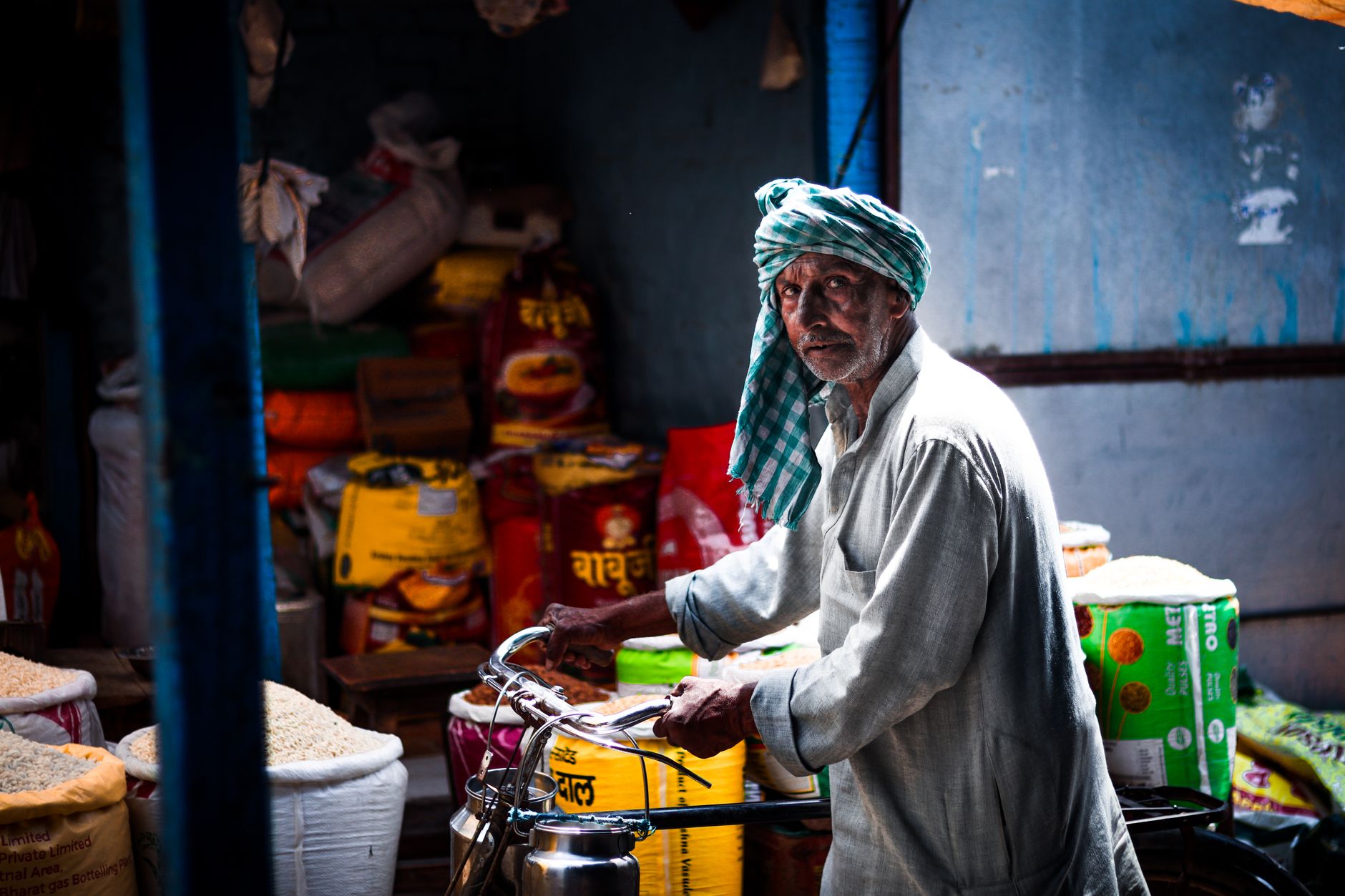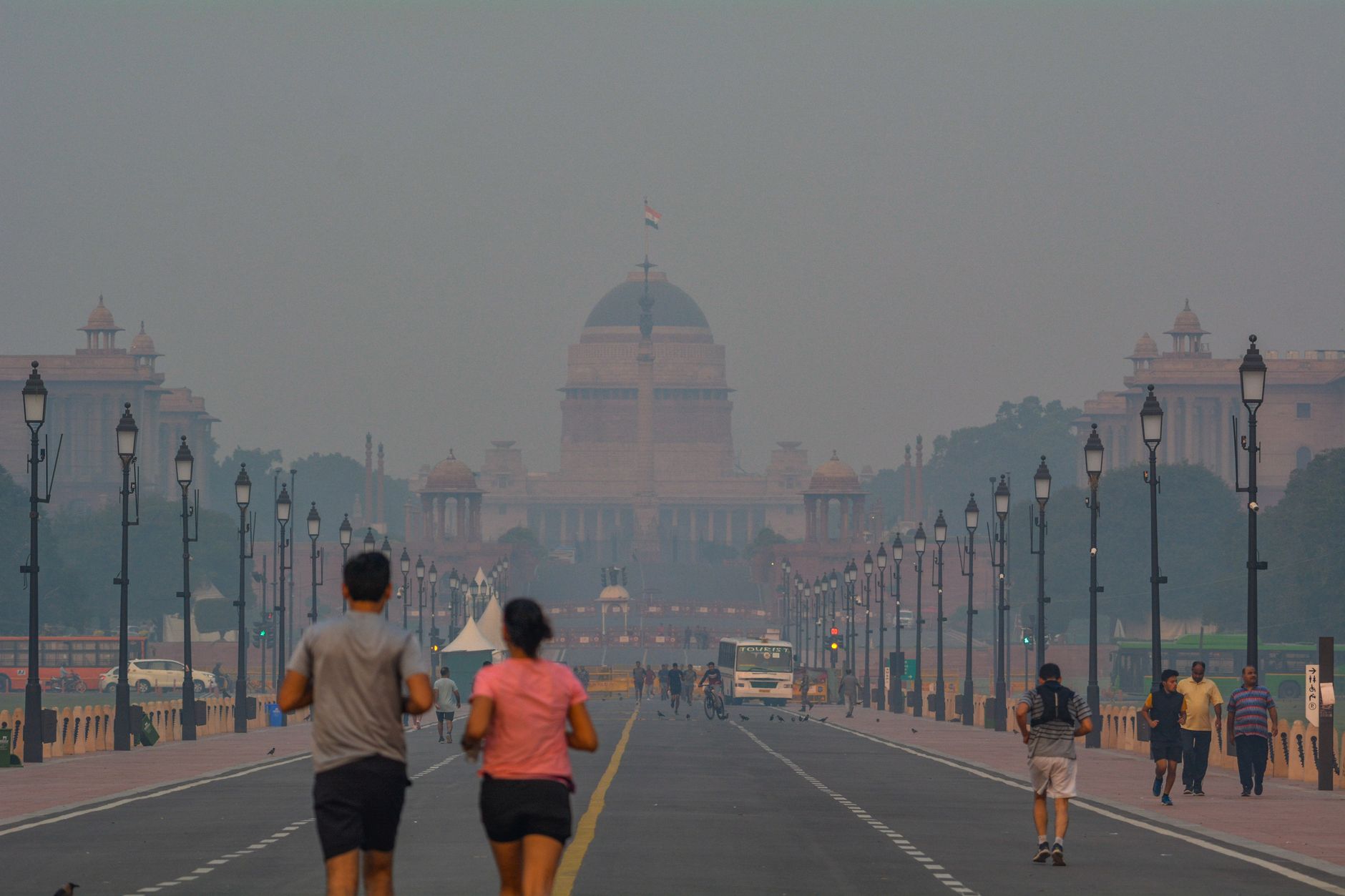
Photo: Saakshi Yadav / Pexels
Air Pollution in India: What Works and What Must Change
India's air pollution problem is no longer a winter headline confined to one capital. The State of Global Air 2025 report linked roughly 2 million deaths in 2023 to air pollution across the country, a 43% rise since 2000. That is not an abstraction. It is heart disease, lung cancer, stroke, diabetes and dementia, falling hardest on the very young, the elderly and the poor who can least afford filtered rooms or private healthcare. This piece is an analysis, not a verdict on any government or party. The aim is to separate what genuinely ails India's clean-air effort from what is quietly working, and to lay out the concrete fixes experts keep returning to.

The Problem Ordinary People Actually Live With
For most families, air pollution is invisible until a child's inhaler runs low or an elderly parent's cough turns chronic. A landmark study in The Lancet Planetary Health found that PM2.5 levels above the World Health Organization's recommended annual average of 5 micrograms per cubic metre are associated with around 1.5 million deaths a year in India. Worse, the same body of research suggests that even India's own legal limits are too lax to fully protect health.
The burden is also deeply unequal by geography. Around 75% of Indians live where annual PM2.5 exposure crosses the WHO's interim target of 35 µg/m³. States such as Maharashtra, Uttar Pradesh, Rajasthan, Bihar and West Bengal each recorded more than 100,000 pollution-linked deaths in 2023. The Indo-Gangetic Plain is uniquely cursed: heavy industry, dense traffic, household biomass smoke and seasonal crop fires all pile up under a winter inversion layer that traps the haze close to the ground.
The everyday costs stack quietly. Lost school days, medical bills, reduced work capacity and shortened lives add up to an economic drag that studies estimate runs into lakhs of crores annually. It is a tax nobody voted for, paid in lung capacity.

Why the Headline Targets Keep Slipping
The National Clean Air Programme (NCAP), launched in January 2019, is the spine of India's response. It set out to clean up 131 "non-attainment" cities that routinely fail national standards, with a revised goal of cutting PM10 by up to 40% by 2025-26. The honest assessment is that this headline is unlikely to be met.
Independent trackers found that of around 229 cities with reliable PM10 data in 2025, 190 still exceeded the national standard and only 39 met it. Among NCAP cities specifically, progress is genuinely mixed: many recorded reductions, but a sizeable group saw pollution rise. The deeper diagnosis points to a few structural gaps:
- Money released but not spent. Of roughly ₹11,211 crore made available through NCAP and Finance Commission grants up to 2025, only about 68% was actually utilised by cities, reflecting weak local capacity to plan and execute.
- Incomplete knowledge of the enemy. Only about 90 of 130 cities had finished source-apportionment studies, meaning many towns still do not precisely know what is poisoning their air.
- City-by-city silos. Pollution drifts across district and state lines, but plans are written city by city, so a clean local effort can be overwhelmed by emissions blowing in from next door.
- PM10 tunnel vision. The marquee target tracks coarse PM10, while the finer, more lethal PM2.5 that lodges deep in the lungs gets less regulatory weight.
None of this means the programme failed. It means the design needs to mature past its first generation.
What Is Genuinely Working
A fair analysis must resist the temptation to call everything a disaster. Several interventions have moved the needle, and they deserve credit.
Cleaner fuel at the pump. India leapfrogged straight to Bharat Stage-VI (BS-VI) vehicle and fuel norms in 2020, skipping an intermediate stage and slashing permissible sulphur and nitrogen-oxide emissions to broadly European levels. Every new vehicle sold since runs cleaner than its predecessor.
Cleaner kitchens. The Pradhan Mantri Ujjwala Yojana put LPG connections into crores of poor households, displacing the wood and dung smoke that is a major and badly underrated source of both indoor and outdoor particulates. The honest caveat is that refill affordability remains a real hurdle, with many families partly reverting to solid fuels.
Smarter emergency response. The Graded Response Action Plan (GRAP) now uses air-quality forecasting to trigger restrictions on construction, certain vehicles and industry before pollution peaks, rather than reacting after the smog settles.
An institution built for the job. Parliament created the Commission for Air Quality Management (CAQM) in August 2021 as a statutory body able to coordinate across states in the National Capital Region and adjoining areas. The arrival of a body that can issue binding, region-wide directions is exactly the kind of structural upgrade clean-air policy needed. Add to this a denser monitoring network, now around 1,600 stations, and India clearly has more eyes on its air than ever before.
The Reforms Experts Keep Recommending
The expert consensus is not for a fresh slogan but for a smarter "NCAP 2.0". The recurring proposals are specific and, importantly, build on what already exists.
- Govern by airshed, not by city boundary. Treat the whole Indo-Gangetic Plain or a metropolitan region as one shared air bubble. A central agency would take a region-wide emissions inventory and hand each ministry and state sector-by-sector cuts with hard deadlines. The World Bank is already supporting exactly this kind of regional airshed planning.
- Make health, not just PM10, the goal. Shift the headline metric toward PM2.5 and tie targets explicitly to reducing illness and death, so success is measured in lives protected rather than in one coarse number.
- Automate industrial accountability. Mandate continuous emission-monitoring systems on the most polluting industrial categories, with penalties that trigger automatically on breach rather than depending on a stretched inspector showing up.
- Finish the homework and spend the money. Complete source-apportionment studies for every NCAP city and build genuine local capacity so the unspent third of clean-air funds actually reaches the ground.
- Fix farm-fire incentives. Scale up crop-residue machinery and, critically, make alternatives to stubble burning cheaper and easier than the match, since penalties alone have not worked.
- Coordinate across borders. Pollution and the policies that fight it must both cross state and even national lines; regional cooperation needs to become routine, not seasonal.
Why This Matters Beyond the Smog Season
The most useful mental shift is to stop treating clean air as a November emergency and start treating it as year-round public-health infrastructure, like clean water or vaccination. The machinery to do this largely exists. The monitoring network is growing, the statutory body is in place, the fuel standards are world-class and the diagnostic science is maturing. What is missing is the connective tissue: regional coordination, health-anchored targets, automated enforcement and the boring but decisive work of spending allocated money well.
There is reason for measured optimism. Several cities have posted real declines, and the policy conversation has visibly moved from crisis firefighting toward structural design. The honest bottom line is that India is not failing at clean air so much as it is still building the systems that make clean air durable.
The Citizen's Role
Governance is not only what happens in ministries. Verified local pressure works: citizens can track their own city's readings on public dashboards, demand source-apportionment results, push resident bodies to act on construction dust, and treat air quality as a voting issue across every party. The data is now public enough to hold any administration to account on outcomes rather than announcements. A problem this large will not be solved by one scheme or one government, but by a steady, non-partisan insistence that the air the next generation breathes is a shared national priority worth getting right.