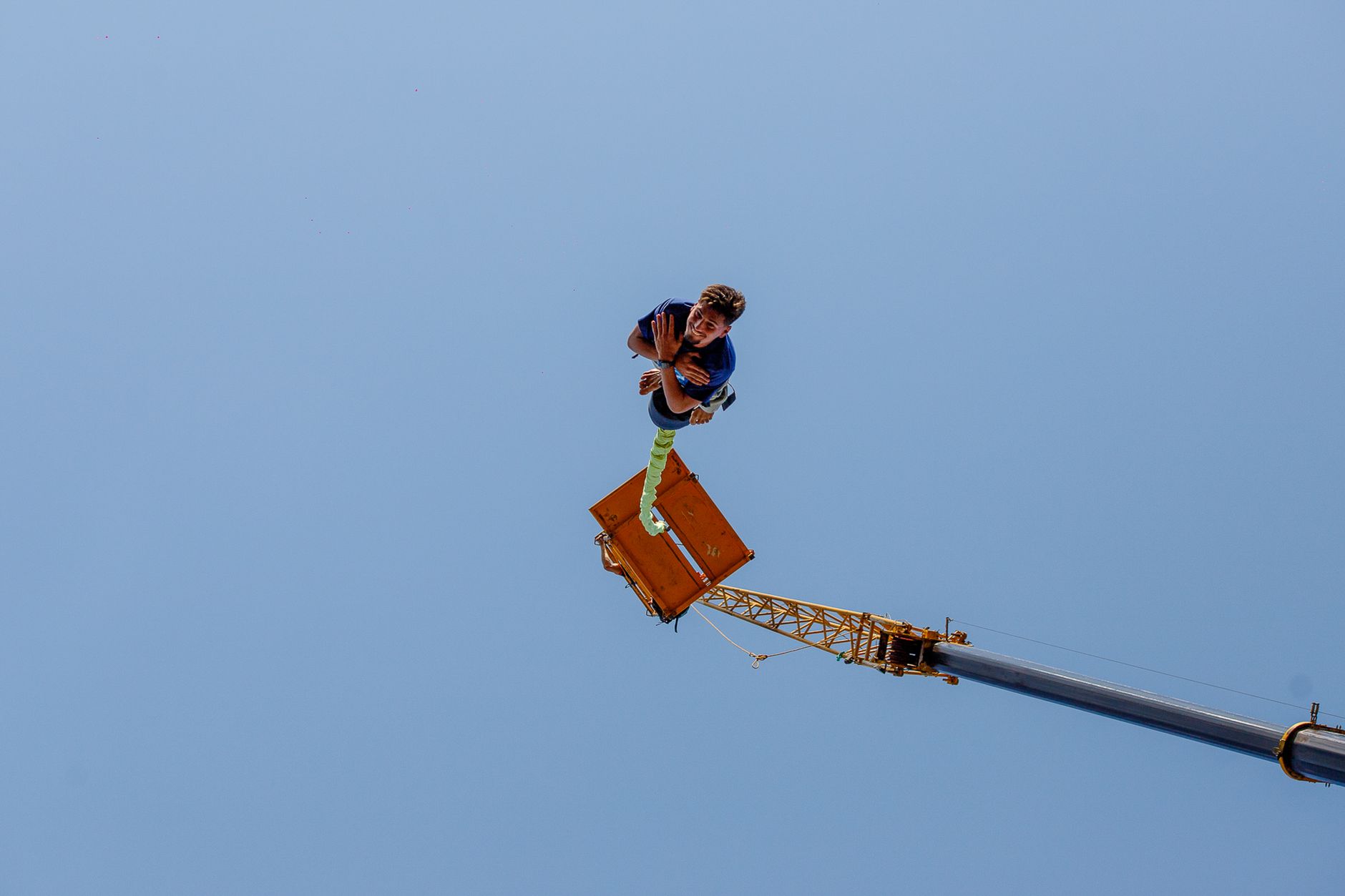
Photo: Sergio Cruz / Pexels
Brazil Bungee Death: How a Rope Nobody Checked Killed a Nurse
A young woman in a helmet and harness is held horizontally by two men at the edge of a high bridge. She holds a steady "superman" pose, arms out, trusting the moment. They swing her and let go. There is no rope attached to her. That is the footage the world has been unable to look away from, and it ends with the death of Maria Eduarda Rodrigues de Freitas, a 21-year-old physical education graduate from Sao Paulo state in Brazil.
The story broke into wider view after her mother spoke. Valdenia Rodrigues posted a photograph of her daughter and a few raw lines of grief, blaming "that damn rope" and signing off with the words that became the headline everywhere: "I love you forever." It is the kind of sentence that travels faster than any safety report, and it has pushed a local tragedy onto front pages from London to Sydney.
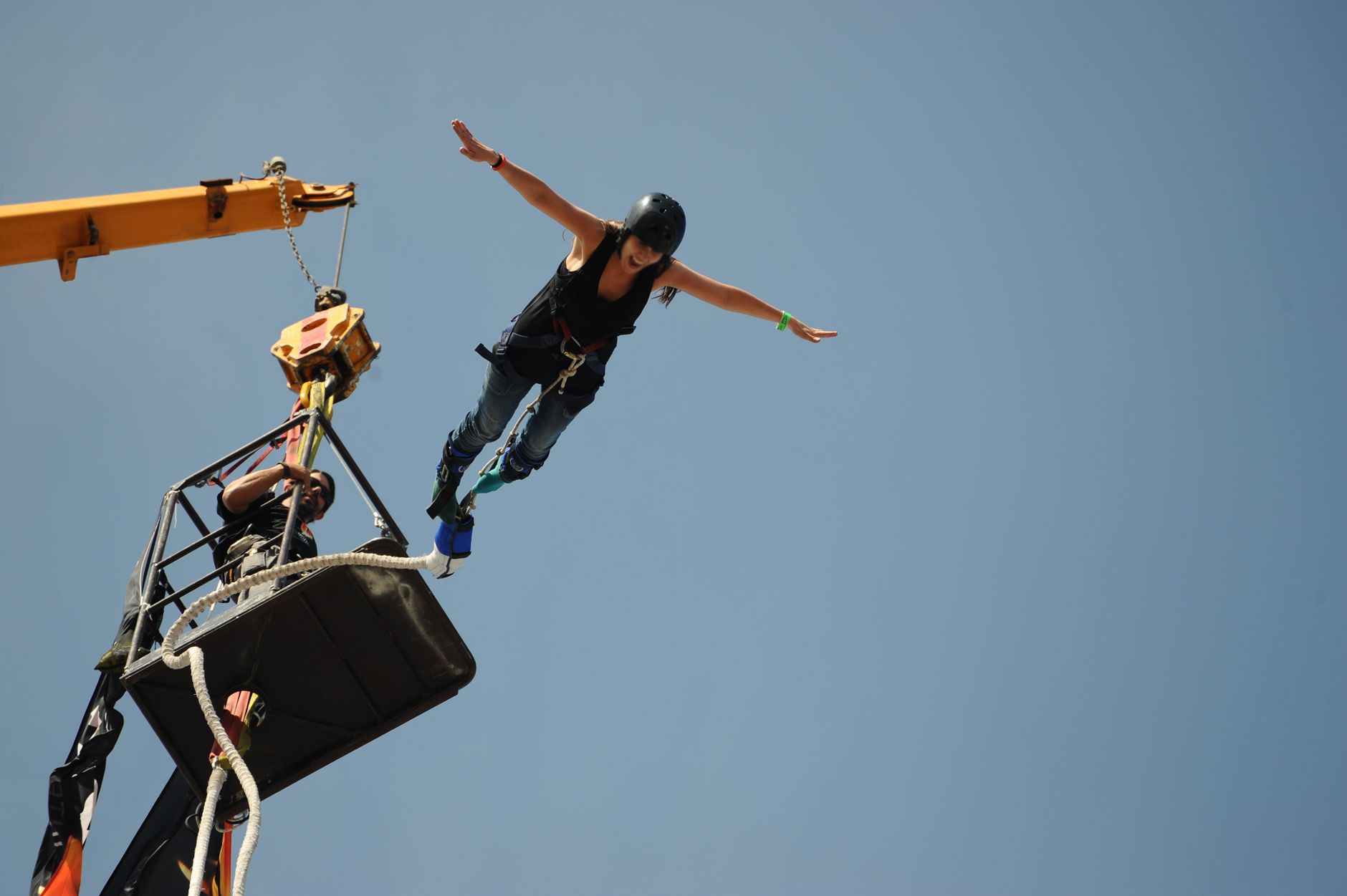
What the video actually shows
Maria Eduarda fell roughly 130 feet (about 40 metres) from a structure widely described as the Skeleton Bridge in Sao Paulo state. She was dressed for the jump — helmet on, harness fitted — which is part of what makes the clip so disorienting. Everything looks like preparation for a safe descent. The single fatal detail is that the elastic cord was never clipped to her.
Reports indicate she had asked to be launched in the horizontal, face-down style sometimes called an "aeroplane" or "superman" jump, which is why two workers were physically holding her rather than letting her step off a platform. In that pose, a jumper cannot easily see or feel whether the line behind them is connected. She was relying entirely on the crew.
Witness accounts circulating in Brazilian media suggest she may have survived the initial fall and was alive when reached, with a nurse among the first to attend to her. Those details remain part of an active investigation and have not been settled in any official account, so they are best treated as early reports rather than established fact.

Three men charged, and what the charge means
Brazilian authorities arrested three instructors who ran the jump and charged them with homicide with eventual intent. This is a legal concept worth understanding, because it is stronger than a simple accident charge.
- A pure accident, in Brazilian law, would typically be treated as culpable homicide — death caused by carelessness, without the person foreseeing it.
- Homicide with eventual intent (dolo eventual) applies when someone doesn't actively want a death but presses ahead while accepting the real risk that it could happen.
Prosecutors appear to be arguing that launching a person off a bridge without confirming the rope was attached crosses from negligence into that second category. According to media reports, at least one worker offered the extraordinary explanation that they "blacked out" during the launch. That account has not been tested in court, and the men are entitled to a defence and a presumption of innocence.
Investigators have pointed to a breakdown in the safety routine — the basic, non-negotiable step of checking the connection before release — as the heart of the case. Maria Eduarda was reportedly buried near her home the day after she died.
Why an unattached rope is the nightmare scenario
Bungee jumping has a reputation as reckless, but the engineering behind a properly run jump is conservative. The cord is rated well beyond the jumper's weight, the length is calculated against the drop, and most operators use a backup attachment so that a single failure cannot be fatal. When the system is respected, the activity is far safer than its adrenaline branding suggests.
The failures that kill almost never involve the elastic snapping. They cluster around human error:
- The cord is not clipped to the harness at all.
- The cord is too long for the height, so the jumper hits the ground or water.
- A carabiner or clip is misrigged or left unlocked.
- The harness itself is worn incorrectly.
Maria Eduarda's death is the first and most brutal item on that list. No amount of premium equipment matters if the final connection is skipped. It is the bungee equivalent of a parachute that was packed but never strapped on.
Licensed centres versus informal jumps
The second thread running through this case is the difference between a regulated commercial operation and an improvised one. Established bungee and bridge-swing companies in countries with strong oversight tend to run formal checklists, redundant attachments, and a verbal confirmation between two staff before anyone is released. The whole point of that ritual is to make a missed rope almost impossible.
The Brazil jump, by the accounts available, looks closer to an informal, low-cost setup on a bridge rather than a licensed adventure centre. That distinction matters for travellers everywhere. The same activity can carry wildly different real-world risk depending on who is running it, what their insurance and licensing look like, and whether anyone is auditing their procedures.
This is not a Brazil problem. Cheap, charismatic, lightly regulated thrill operations exist on backpacker trails on every continent. The lesson the footage delivers so painfully is that the brand on the harness tells you nothing if the people clipping it on are cutting corners.
How to protect yourself before you jump
The instinct after a story like this is to swear off heights forever. A more useful response is to know what a serious operator looks like, because adventure tourism is not going away. A few things genuinely worth doing:
- Ask to see the safety check. A good crew will not mind explaining the attachment and the backup. Reluctance is a red flag.
- Confirm there is a redundant connection. Reputable jumps use a primary and a secondary attachment so one mistake is not fatal.
- Watch for the verbal double-check. Two staff confirming "clipped and locked" out loud is a sign of a real system.
- Be wary of pressure and bargain pricing. A queue being rushed, or a price that seems too good, often reflects corners being cut somewhere you cannot see.
- Trust your gut. If the setup feels improvised, you are allowed to walk away after paying. No photo is worth it.
None of this guarantees safety, and it should not have to fall on the customer. But in places where regulation is thin, an informed jumper is sometimes the last line of defence.
A grief that outran the news cycle
What keeps this story alive is not the legal mechanics or the safety lessons. It is the gap between a 21-year-old's excitement at the top of that bridge and the silence at the bottom. She was 21, with her whole life ahead of her, killed by the one step that should never be skipped.
The court process in Brazil will grind on, and it will turn on questions of intent and procedure and who knew what in the seconds before the launch. For her mother, none of that changes the shape of the loss. Her tribute closed with three words, and they have become the way most of the world will remember Maria Eduarda Rodrigues de Freitas: I love you forever.