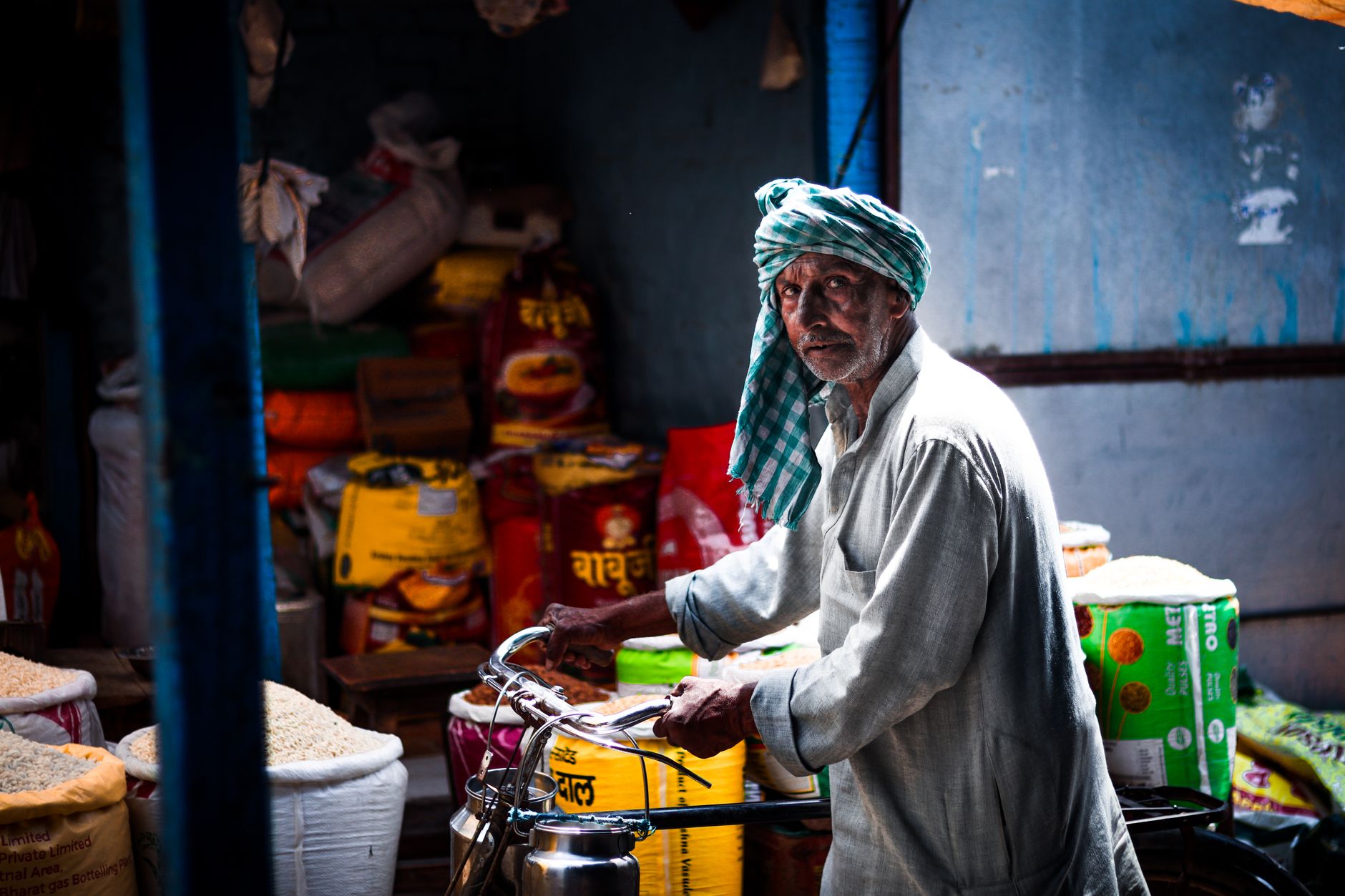
Photo: Saakshi Yadav / Pexels
Delhi's Air Won't Fix Itself: What Has Worked, What Hasn't
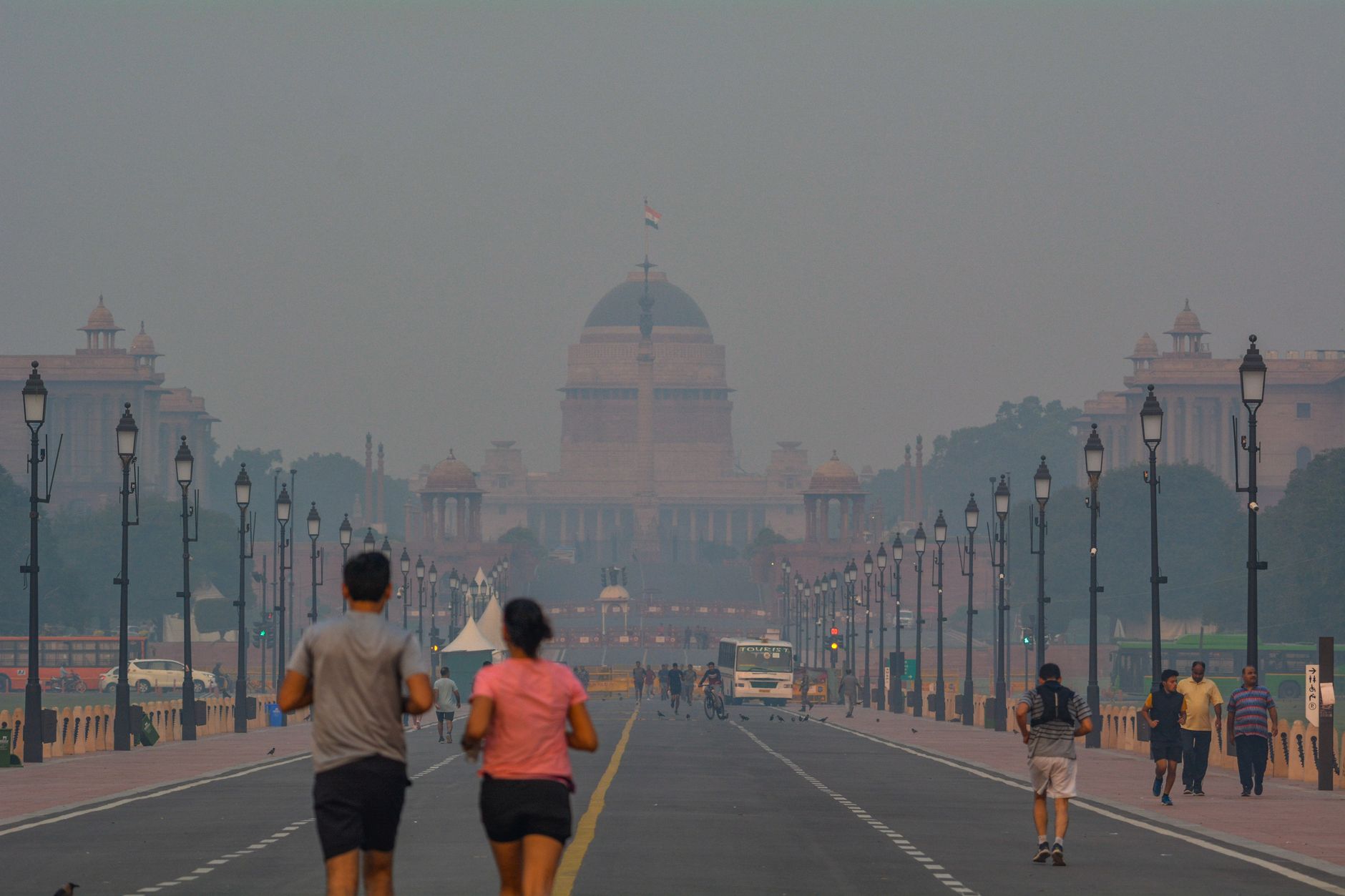
Every autumn, Delhi performs the same grim ritual. The sky turns the colour of weak tea, schools shorten their hours, and millions of people refresh an app to find out how dangerous it is to step outside. By January the worst has passed, the headlines move on, and the underlying problem waits patiently for the next winter. This is not a story about who to blame. It is an attempt to set out, plainly, what residents are actually breathing, what has genuinely helped, and what credible experts believe could move the needle.
First, the scale. Delhi's annual average PM2.5 concentration was around 88 µg/m³ in 2023 — more than twice India's own national safe limit of 40, and roughly seventeen times the World Health Organization guideline of 5. The University of Chicago's Air Quality Life Index translates that into something visceral: cleaner air meeting the WHO mark could add over eight years to the life of an average Delhiite, the largest potential gain measured anywhere on earth. Even hitting India's looser national standard would buy back close to five years.
What ordinary residents actually face
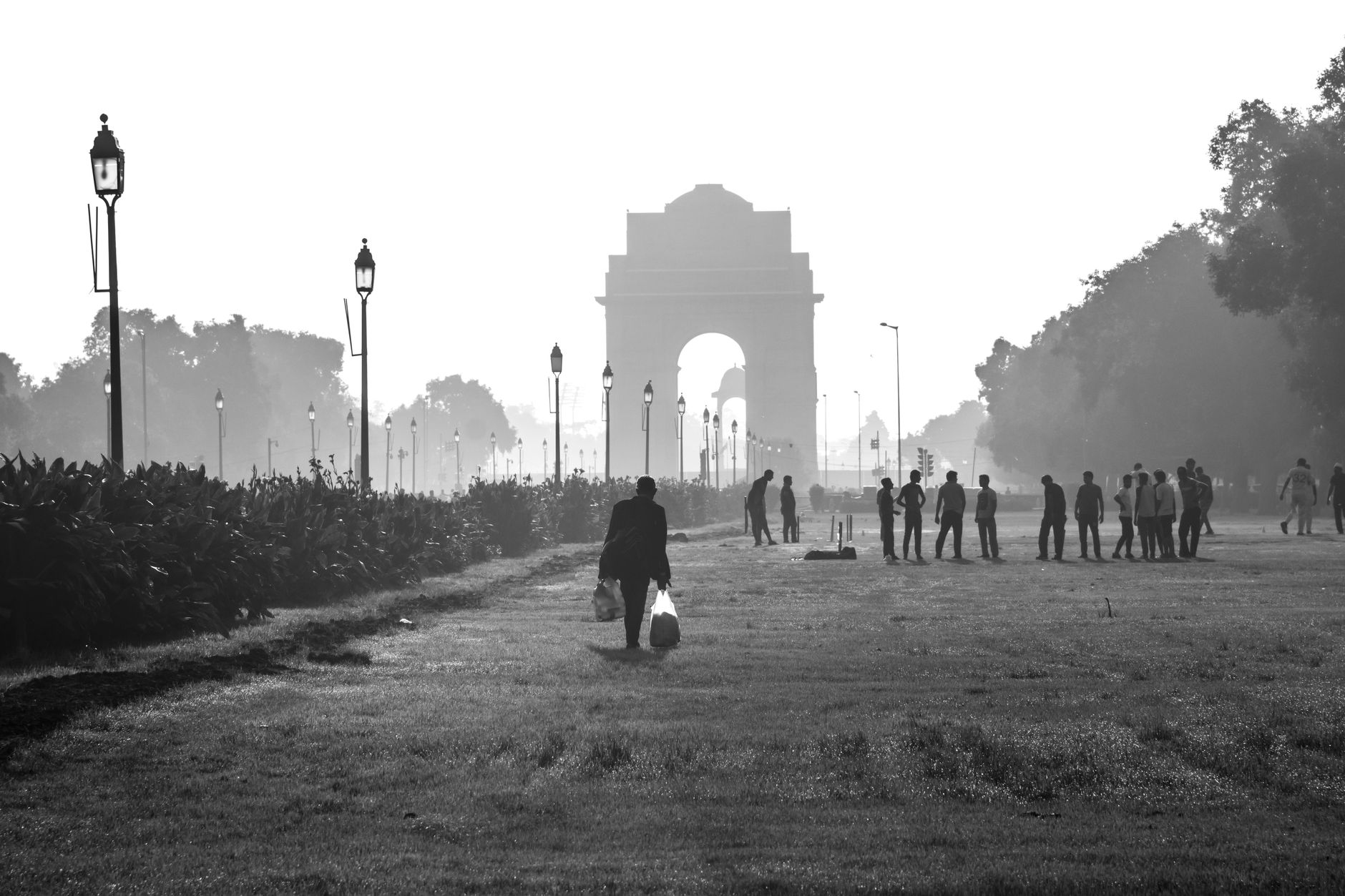
The numbers can feel abstract until you live inside them. For a delivery rider, a traffic constable, a street vendor or a construction worker, there is no air purifier and no work-from-home option. They breathe the worst of it for ten or twelve hours a day. Children in poorly ventilated classrooms and the elderly with weak lungs carry a disproportionate share of the harm.
The daily toll is both medical and practical. Hospitals report surges in breathing complaints when the air turns severe. Parents lose work to keep coughing children home. The frustration is sharpened by a sense of helplessness — pollution arrives like weather, yet unlike weather it is something humans are making. And the relief, when it comes, is usually because the wind picked up, not because policy fixed anything.
The real sources, not the convenient ones
Much of the public conversation fixates on stubble burning in neighbouring farm states. It matters, but it has become a misleading shorthand. Source studies for Delhi-NCR consistently find that crop fires contribute only single-digit-to-low-teens percentages of the particulate load across the year, spiking for a few intense weeks and then fading. Treating it as the whole problem lets the year-round culprits off the hook.
The bigger and more constant contributors are closer to home:
- Vehicles, which in several recent assessments make up roughly half of Delhi's local pollution and remain the single largest source even after the farm fires die down.
- Road and construction dust, kicked up by traffic, unpaved edges and endless building work.
- Industry and the use of dirty solid fuels in households and small units.
There is one more inconvenient fact that reshapes everything. By many estimates, only about a third of Delhi's winter particulate concentration originates inside the city itself; the rest blows in from Haryana, Punjab, Uttar Pradesh and Rajasthan. Delhi sits in a shared airshed. A city acting alone, however sincerely, runs into a hard physical ceiling.
What has genuinely worked
It would be unfair, and inaccurate, to say nothing has improved. Several measures have quietly bent the curve, and they deserve credit precisely because they are unglamorous.
The long shift to cleaner fuel standards, the spread of CNG in public transport years ago, and the steady expansion of the Delhi Metro removed enormous volumes of tailpipe emissions that would otherwise be choking the city today. The push toward electric buses continues that logic. Delhi has set a target of growing its fleet toward around 14,000 buses by 2028-29, more than double the current count, with a heavy tilt to electric models and neighbourhood-level services designed to make buses a real alternative to private cars.
The Graded Response Action Plan, or GRAP, gave the region a structured emergency playbook — escalating restrictions on construction, polluting vehicles and certain industries as the AQI worsens through its four stages. Mechanised road sweeping, water sprinkling and tighter dust rules at building sites are sensible, if partial, tools. Analysts estimate that the broad package of administrative measures has cut pollution levels by around a quarter over recent years. That is real progress, even if the city still needs to roughly halve its remaining PM2.5 to reach safe levels.
The expensive distractions
Honesty also means naming what hasn't worked, without mocking the impulse behind it. Smog towers and roadside anti-smog guns generate striking visuals but clean only the air immediately around them, leaving the citywide load essentially untouched. The cloud seeding trial flown over Delhi in late 2025 cost a substantial sum and produced almost no rain because the clouds simply weren't there to seed; scientists were near-unanimous that even successful artificial rain offers only fleeting relief.
The deeper flaw these share is that they are reactive and cosmetic. GRAP itself, for all its usefulness, is too often triggered only after the air has already turned toxic — one analysis found curbs were imposed reactively in the large majority of cases this past winter, chasing the smog rather than getting ahead of it.
What experts say could actually work
The encouraging part is that the serious fixes are well understood. They are harder and slower than a smog tower, which is exactly why they tend to be skipped. Drawing on what clean-air researchers and groups like the Centre for Science and Environment have argued, the priorities cluster into a few practical reforms:
- Treat the airshed as one region. A binding, jointly governed plan across Delhi, Haryana, Punjab, UP and Rajasthan — with shared targets and shared funding — addresses the two-thirds of the problem that no city can fix alone.
- Make public transport the obvious choice. Accelerate the electric bus rollout, close the last-mile gaps, keep metro and bus fares low and reliable, and make driving a private car the slower, costlier option in dense zones.
- Act on forecasts, not after the fact. GRAP should trigger on credible pollution forecasts so curbs are in place before the spike, not days into it.
- Tackle dust and waste year-round. Pave and green road edges, enforce construction-site rules continuously rather than only in winter, and end open burning of garbage and biomass.
- Support farmers, don't just penalise them. Affordable machinery, viable markets for crop residue and timely payments make not burning the easier choice — punishment alone has a poor record.
- Help households off solid fuels. Keeping clean cooking gas genuinely affordable removes a stubborn, year-round source in poorer neighbourhoods.
None of this is exotic. It is the unglamorous, multi-year work of cleaner fuel, better transport, steady enforcement and regional cooperation — the things experts have flagged for years.
Why patience is the hard part
The uncomfortable truth is that clean air is a slow dividend. The cities that have escaped severe smog did it over a decade or more of consistent, boring policy, not a single dramatic intervention. Delhi's politics, like any city's, rewards the visible and the immediate, which is why towers and trials keep returning.
The case for optimism is simply that the path is known and partly proven. The metro and the fuel switch already spared the city an even worse fate. The next stretch — a real airshed compact, electric public transport at scale, enforcement that doesn't clock off in March — is demanding but not mysterious. Delhi's residents have shown they will tolerate inconvenience when they trust it leads somewhere. The job of governance is to make sure it does.