Photo: Nicolas Lesueur / Pexels
Divyanka's Twins and India's Most-Wanted 2026 Baby Names
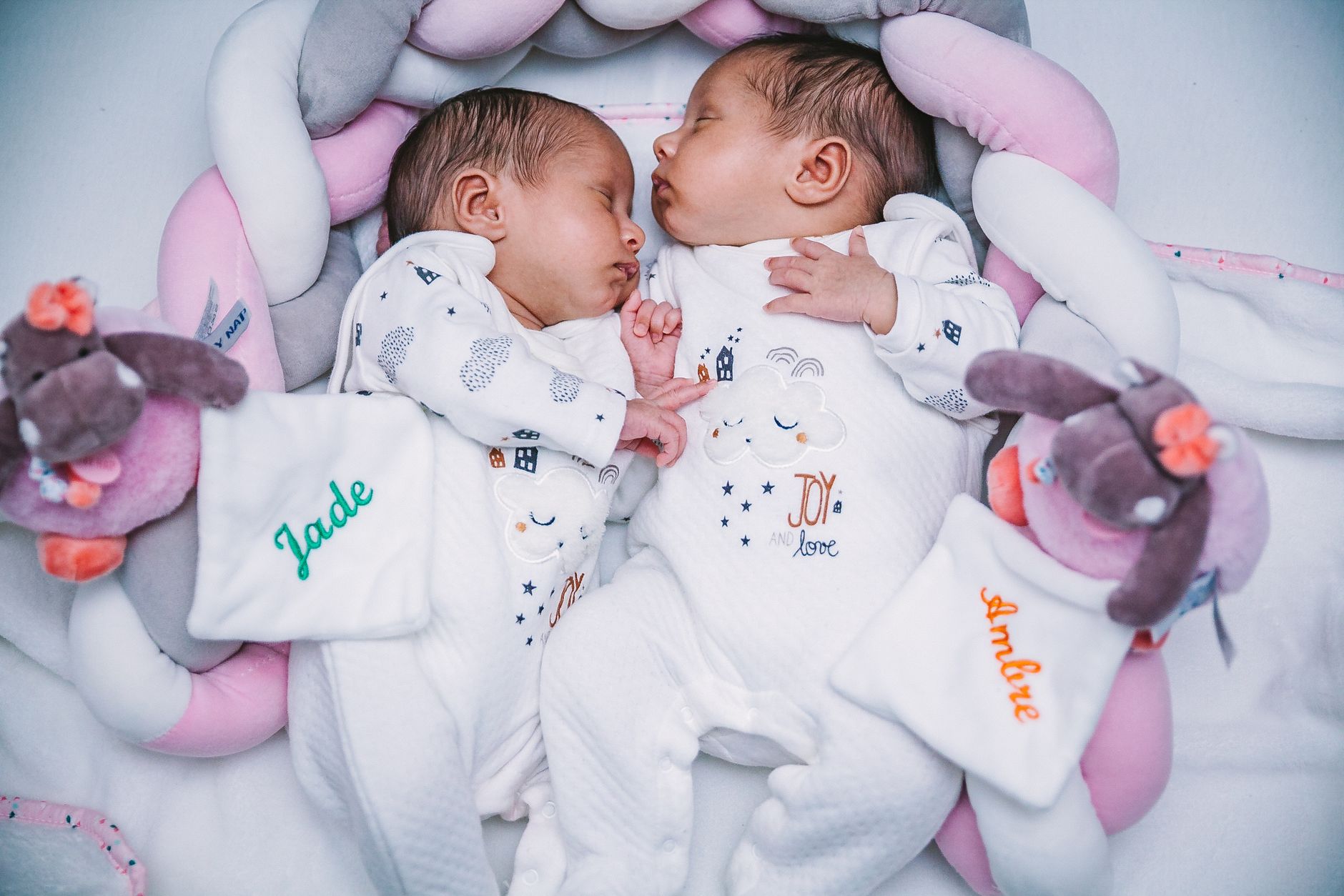
Divyanka Tripathi and Vivek Dahiya have been one of Indian television's steadiest couples since 2016, so when first photos of their twin baby boys surfaced in the second week of June 2026, the timeline alone told a story. The actor, best known as Ishita from Yeh Hai Mohabbatein, welcomed the twins in late May, close to ten years after the wedding. In their announcement the couple referred to the boys with a warm, filmi nickname rather than legal names, and that small choice says a lot about how India is naming its children in 2026.
The twins arrive in a busy season for the small screen. Surbhi Jyoti is also due this month, and a clutch of television and film couples have announced pregnancies through the spring. Every one of those families now faces the same quietly enormous decision that the rest of the country has been making differently than it did a decade ago. The name is no longer an afterthought stitched together from a grandparent's suggestion and an astrologer's syllable. It is researched, debated, and increasingly, decoded.

A decade-long wait, and a very 2026 reveal
Divyanka and Vivek had kept the pregnancy private for months before confirming it in an interview in March, and that instinct to control the story carried through to the birth. According to media reports, the couple have been calling the boys an affectionate film-inspired pairing while holding back the actual names for a formal ceremony. Treating the name as something to unveil, not just announce, is now standard among public figures.
That restraint matters because a celebrity baby name in India travels fast. Within hours of a reveal, search volumes spike, parenting forums dissect the meaning, and a name that was rare the previous week starts appearing on hospital forms across the country. The Tripathi-Dahiya twins will almost certainly trigger a small wave of interest in paired and brotherly names, whatever the couple finally choose.

What celebrity baby names tell us about the trend
Look at the most talked-about star kids of recent years and a clear pattern emerges. Virat Kohli and Anushka Sharma named their son Akaay, a name read through Sanskrit roots as 'immortal' or 'non-decaying'. Their daughter is Vamika, another name for the goddess Durga. Alia Bhatt and Ranbir Kapoor chose Raha, a short word carrying senses of freedom, comfort and a clear path. Deepika Padukone and Ranveer Singh picked Dua, meaning a prayer or blessing.
None of these is a long, ornate, multi-syllable name. Each is two syllables or fewer, rooted in meaning, and pronounceable in a London classroom as easily as in a Lucknow courtyard. That is the whole trend in miniature: short, meaningful, and globally portable. The celebrity choices are not creating the shift so much as broadcasting it, giving ordinary parents permission to drop the heavier traditional names their own parents carried.
The names India is actually choosing in 2026
Strip away the star wattage and the data from naming sites and birth records points the same way. For a sense of where the year is heading, here are names that keep recurring, with the meanings parents are responding to.
Boys:
- Vihaan — dawn, the first ray of morning
- Aarav — peaceful, a calm sound
- Atharv — knowledge, drawn from the Atharva Veda
- Kiaan / Kiyaan — grace, the king's crown in some readings
- Ved — sacred knowledge, the Vedas
- Kabir — great, with a syncretic poetic legacy
Girls:
- Saanvi — a name for Goddess Lakshmi
- Aaradhya — worshipped, the one to be adored
- Aarohi — the rising musical scale, an ascent
- Anvi — one of the goddess's names, also 'kind'
- Myra — beloved, sweet, with cross-cultural reach
- Nyra — a name linked to Saraswati, also read as 'angel'
The through-line is meaning that a parent can explain in one sentence. Sound matters, but in 2026 a beautiful sound with no story behind it loses to a plain one that means 'first light'.
The twin-name question the Dahiyas just faced
Twins force a second layer of decision, and the fashion here has changed too. The old instinct was to match: rhyming pairs, the same first letter, near-identical names that announced the children as a unit. The newer thinking, and the one most naming consultants now nudge parents toward, is to pair without copying.
That usually means names that share a single thread while standing on their own. A common sound at the start or end. A shared theme, such as both meaning forms of light, or both tied to the sky, or both pulled from music. The goal is for each child to own a distinct word with its own meaning, while the set still feels deliberate. A boy-twin pairing in this spirit might link two names that both signal dawn or radiance without forcing them to chime. Whatever Divyanka and Vivek land on, expect a pairing that reads as intentional rather than cute.
Vintage names are quietly coming back
There is a counter-current worth flagging. Alongside the sleek new coinages, a set of older names is returning, carried by parents who find them grounding rather than dated. Think Veda, Ira, Avni, Kabir, Reva and Mira — names a grandparent might recognise, now stripped of their old-fashioned heaviness because they happen to be short and clean by modern standards.
This is the sweet spot many couples are chasing: a name that an elder approves of at the naamkaran and a child can spell on day one of school abroad. It is also why some of 2026's freshest-sounding names are, on inspection, decades or centuries old.
Why the meaning matters more than the muhurat
Most Indian families still hold a naamkaran, the naming ceremony usually in the early weeks after birth, and many still consult the nakshatra to find the auspicious starting syllable. What has shifted is the order of operations. Increasingly, parents settle on the name and its meaning first, then check whether it fits the recommended sound, rather than letting the syllable dictate the shortlist.
For the Tripathi-Dahiya twins, and for any parent reading this with a due date approaching, the practical takeaway is simple. Pick a meaning you would be glad to explain at every birthday for the next eighty years. Say the name out loud across a noisy room and check it survives. Make sure it works on a passport, a prescription and a playground. Get the shortlist down before the ceremony, not during it. The stars can have the final syllable. The story is yours to choose.
The couple's wait of a decade gives their announcement an extra weight, and the names they eventually share will be read closely. Whatever they pick, the choice will sit squarely inside the year's mood: meaning first, length short, and a quiet confidence that a child's name can belong both to an old tradition and to a wide-open world.