Photo: panumas nikhomkhai / Pexels
EES Is Live: What Indian Travellers to Europe Must Know
If you are an Indian traveller heading to Paris, Rome or Amsterdam this year, the airport experience has quietly changed. Europe's Entry/Exit System (EES) became fully operational on 10 April 2026, ending decades of inky passport stamps and replacing them with a digital, biometric record of every entry and exit. It is the single biggest shift to Schengen border procedure in a generation — and despite a wave of confusion online, most Indian travellers still don't know exactly what it means for them at the immigration desk.
Here is a clear, practical guide to the EES for Indian travellers: what it is, what happens when you land, what it doesn't change, and how to avoid the avoidable delays.

What the EES actually is
The EES is an automated IT system that registers non-EU nationals making short stays each time they cross the external borders of the European countries using it. Instead of an officer stamping your passport, a digital file logs your name, travel-document details, biometric data and the exact date and place of your entry and exit.
The rollout was deliberately gradual. Phased implementation began on 12 October 2025, with countries switching on different elements over roughly six months. From 10 April 2026, manual passport stamping was abolished, and the system's automated overstay calculator went fully live across the bloc of around 29 European countries that operate it.
Crucially, the EES is not a visa and not a fee. It is a registration layer that sits on top of whatever permission you already hold to enter Europe.

Why this matters for Indians specifically
There has been a persistent myth that the EES somehow replaces or simplifies the visa process. It does not. Indian passport-holders still need a valid Schengen visa before travelling — the EES changes what happens at the border, not how you get permission to go.
Because Indians are a visa-required nationality, the EES applies to you in full. The very first time you arrive after registration, the border system will capture your biometrics and create your file. On later trips within the retention window, the process is faster because your data is already on record and only needs verifying.
This is also why the other big headline of 2026 — ETIAS — is largely irrelevant to Indians, a point we return to below.
What happens when you land in Europe now
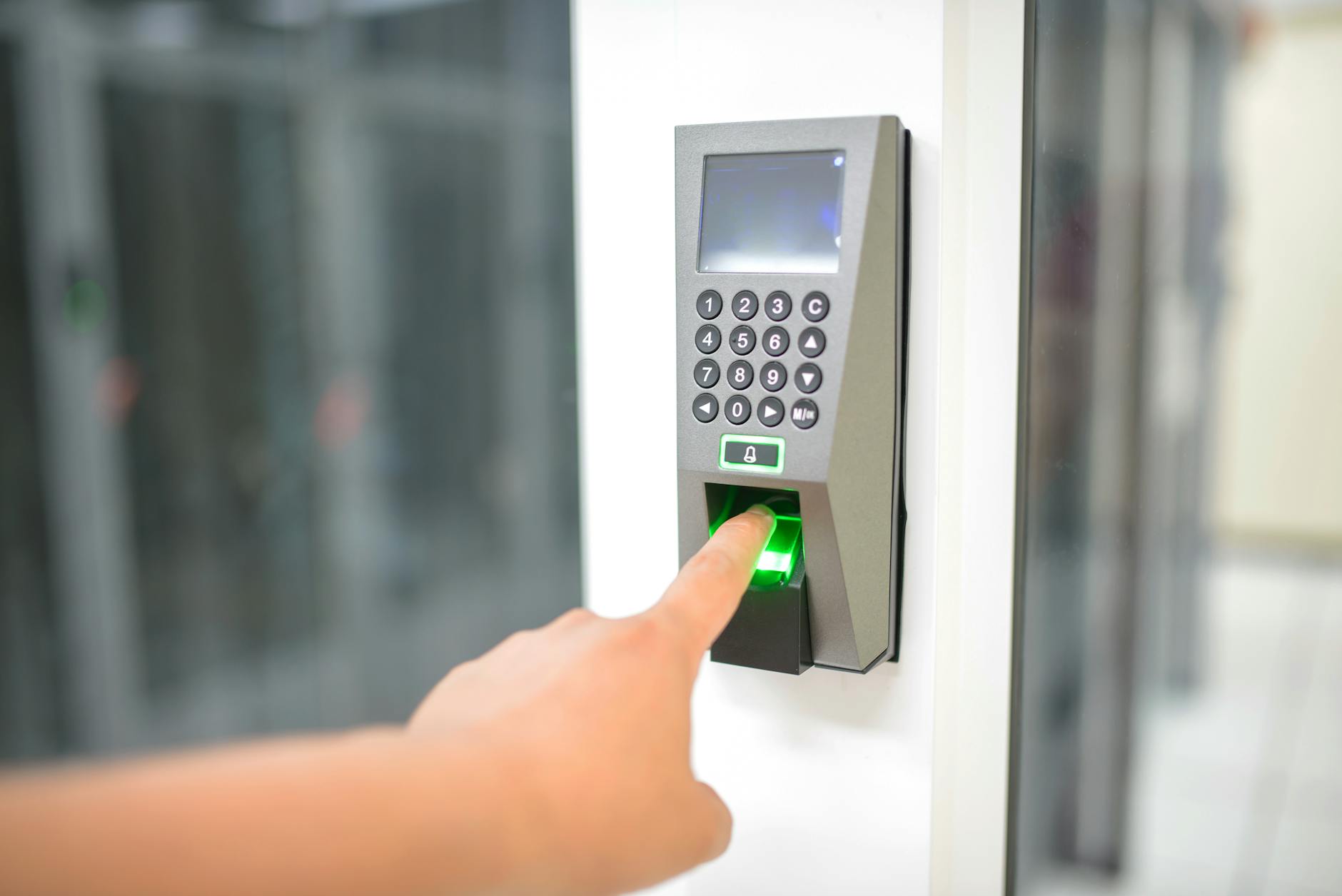
Expect a short, structured biometric step on first arrival. In practical terms, travellers aged 12 and over will provide:
- A facial image (a photo taken at the kiosk or booth)
- Four fingerprints
- Passport and travel-document scan, linked to your file
Children under 12 are still registered with their biographic data and facial image where applicable, but are exempt from fingerprinting. Officers may still ask the usual questions about your purpose of visit, accommodation, return ticket and funds — the EES does not remove those checks.
The system then automatically tracks your 90-days-in-any-180-days allowance as a single rolling total across all participating countries. No more mentally counting stamps: the calculator knows, and so does the officer.
The overstay trap to take seriously
The most underrated consequence of the EES is that it makes overstaying almost impossible to fudge. Previously, a missing or smudged exit stamp could leave your record ambiguous. Now your exact entry and exit are logged to the day, and from 10 April 2026 a list of overstayers is generated automatically.
That has real teeth. Even an accidental overstay of a few days can now trigger:
- Entry refusal or questioning on your next trip
- A flag that visa officers can see when you reapply
- Possible fines or future-entry bans, depending on the country
The takeaway for Indian travellers is simple but important: treat the 90/180 rule as a hard ceiling, keep your boarding passes, and build in a buffer rather than flying out on day 90. The system is now the referee, and it does not forget.
EES vs ETIAS: don't confuse the two
The two acronyms arriving close together have caused genuine confusion. They are different things:
- EES is a border registration system. It applies to virtually all non-EU short-stay visitors, including Indians, and is already live.
- ETIAS is a pre-travel authorisation — an online permission costing around €20 that visa-exempt nationals (such as travellers from the UK, US, UAE, Japan and Australia) will need before flying. It is expected to launch in the last quarter of 2026.
The single most important line for Indian readers: ETIAS does not apply to you. Because Indian citizens already require a Schengen visa, you will not need — and cannot use — an ETIAS authorisation. Anyone telling you to buy an ETIAS as an Indian is either mistaken or running a scam site. Your route to Europe remains the standard Schengen visa application through the relevant embassy or visa centre.
How long your data is kept — and your privacy
The EES stores your biometric data for three years and one day after your last exit from the Schengen Area. The individual file linking your photo, fingerprints and travel history is deleted once that window lapses, after which a fresh first-time registration is required on your next trip.
The data is held under EU data-protection rules and is intended for border management and security, not commercial use. For most leisure and business travellers this is a non-issue, but it is worth knowing that your facial image and fingerprints now sit in a centralised system for the retention period — a meaningful change from the old ink-stamp era.
How to sail through: a quick checklist
A little preparation turns the new system from a worry into a formality. Before you fly:
- Carry a valid Schengen visa — the EES doesn't replace it, and nothing else will get you in.
- Allow extra time on first arrival, especially at busy hubs, as the biometric capture adds minutes per passenger.
- Have your supporting documents ready — return ticket, hotel bookings, insurance and proof of funds.
- Track your days against the 90/180 limit and keep travel records until well after you return.
- Ignore ETIAS prompts aimed at Indians; if a site asks Indian passport-holders to pay for ETIAS, walk away.
The bigger picture
The EES is the foundation of a smarter, harder-edged European border. Once ETIAS comes online later in 2026, the bloc will have a two-layer system: pre-screening for visa-exempt visitors and biometric tracking for everyone. For Indian travellers, the headline is reassuring but specific — your visa process is unchanged, but the border is now digital, biometric and unforgiving on overstays. Know the rules, pad your timelines, and the new Europe is no harder to enter than the old one. It just remembers you better.