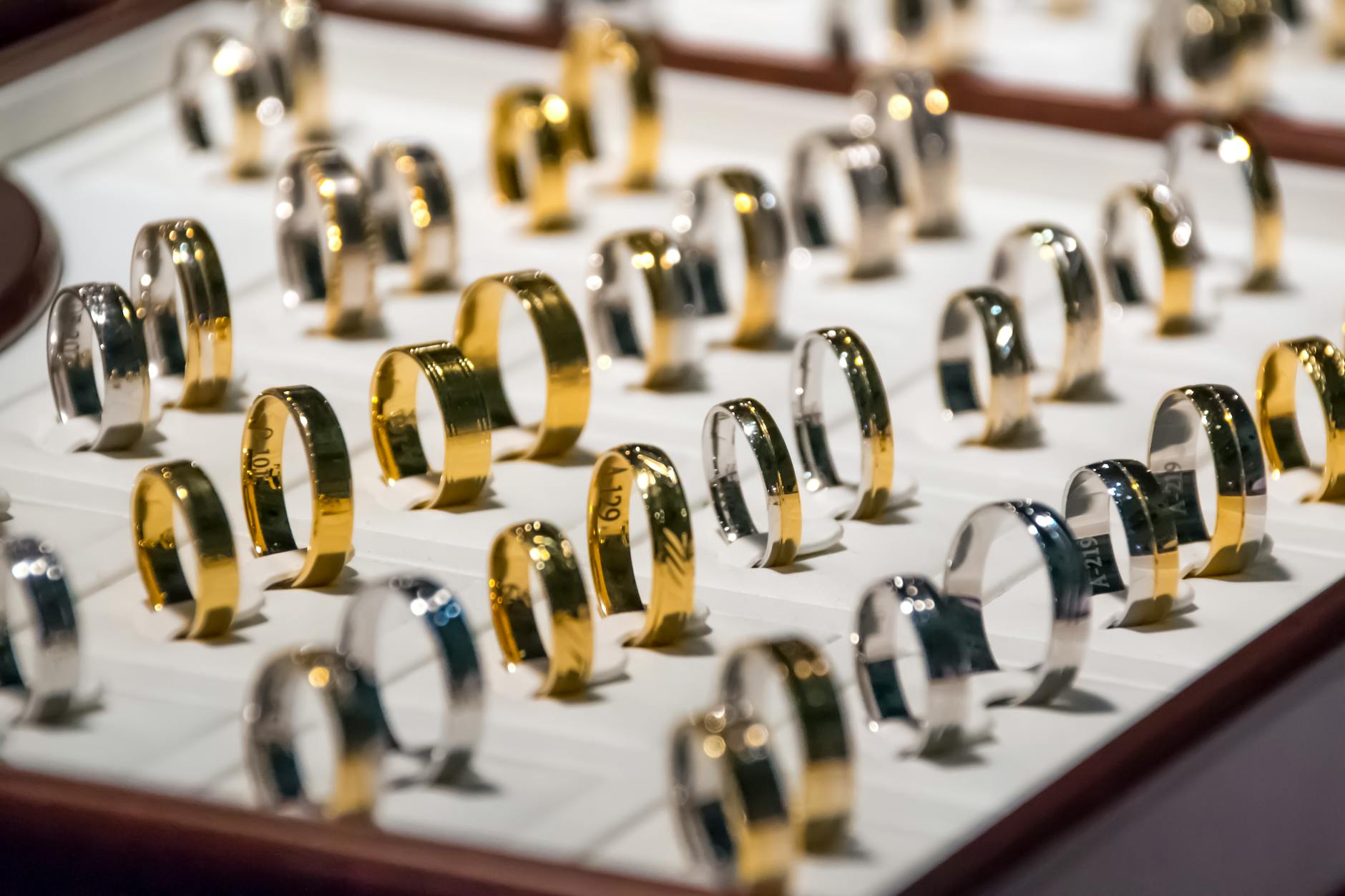
Photo: AS Photography / Pexels
Gold Rate Today (10 June 2026): 24K at ₹1,54,831/10g, Silver Near ₹2.6 Lakh
If you checked a price ticker this morning, the numbers may have made you blink. As of 10 June 2026, 24-karat gold in India is hovering around ₹1,54,831 per 10 grams, with 22-karat near ₹1,41,928 per 10 grams. Silver is sitting close to ₹2,60,000 per kilogram. The gold rate today is back in record territory after a choppy week, and silver is steadier than it was a month ago. Here is the practical picture for buyers, gifters and savers.

Gold Rate Today: The Numbers That Matter
The two figures most people actually need are simple. 24K (999 purity) is the investment-grade benchmark, quoted today at about ₹1,54,831 per 10g. 22K (916 purity) is the jewellery standard, near ₹1,41,928 per 10g. The gap between them is the alloy: 22K mixes in copper or silver for durability, which is why your bangle is 22K and a coin or bar is usually 24K.
Gold has just snapped a losing streak. Over the past trading day, 24-karat jumped sharply after eight days of slow declines, a reminder that this metal can erase a week of drift in a single session. That volatility is the headline story of 2026, not a calm climb.
A quick note before you walk into a showroom: every rate quoted here is for the metal alone. It does not include the taxes and charges that land on your final bill.

Silver's Wild Ride Continues
Silver is the more dramatic chart of the year. After spiking to record highs and then shedding a chunk of that value in a brutal correction, it has settled around ₹2,60,000 per kg. For perspective, 100 grams costs roughly ₹26,000 today.
What keeps silver interesting is its split personality. Part precious metal, part industrial workhorse, it draws demand from solar panels, electronics and the AI hardware build-out as much as from jewellery and coins. That dual role makes it swing harder than gold in both directions, so the small saver buying a coin and the trader chasing momentum are watching very different things.
What's Pushing Prices Around Right Now
Four forces are doing most of the work behind today's rates.
- The rupee. With USD/INR at ₹95.36, a weak currency keeps the floor under domestic gold high. India imports nearly all its gold, so a softer rupee inflates the landed cost even when global prices ease.
- US data and rate expectations. Traders are positioning ahead of fresh US inflation readings. Hopes of rate cuts tend to lift gold, because lower yields make non-paying assets like bullion more attractive.
- Safe-haven demand. Lingering geopolitical tension and uncertainty keep central banks and nervous investors buying gold as insurance.
- Equities and crypto mood. For context, the Sensex is at 73,918.76, the Nifty 50 at 23,231.10, and Bitcoin around ₹59,98,546. When stocks wobble, some money rotates into metals, and when risk appetite returns, it flows back out.
None of these move in a straight line, which is exactly why a single day's price tells you very little about the next week.
City Rates Are Not Identical
There is no one national price. Local taxes, transport, dealer margins and association rates create small differences between metros. As a rough guide for today:
- Mumbai and Bengaluru often track close to the national benchmark.
- Chennai frequently runs a touch higher, partly due to regional purity preferences and demand.
- Delhi and Hyderabad usually sit within a narrow band of each other.
The spread between cities is typically a few hundred rupees per 10 grams, not thousands. Still, if you are buying a large quantity, it is worth checking your own city's rate from a local jeweller or bullion association rather than assuming the figure you saw online applies exactly.
The Bill Is Bigger Than the Rate
This is where many first-time buyers get surprised at the counter. The quoted rate excludes two big additions:
- GST at 3% on the value of the gold.
- Making charges, which run roughly 8% to 25% and climb higher on intricate or designer pieces. Some jewellers charge a flat per-gram fee instead.
On a ₹1.5 lakh purchase, making charges alone can add ten to thirty thousand rupees, and that portion is essentially gone if you ever sell or exchange. For pure investment, coins, bars and gold ETFs sidestep most of the making-charge drag. For jewellery you will wear, accept the charges as the price of craftsmanship, but always ask for the breakup in writing and insist on a hallmark with the six-digit HUID.
So, Is This a Good Time to Buy?
The honest answer depends on why you are buying.
If the goal is a wedding, festival or long-term saving, trying to catch the perfect dip is a losing game even for professionals. Spreading purchases across months, or using a gold SIP or digital gold, smooths out the price you pay and removes the stress of timing. Gold has historically held its value against inflation over long stretches, which is the real reason Indian households keep buying.
If you are hoping for a quick trading profit, be cautious. Prices are near all-time highs and the moves have been violent in both directions this year. Buying at a record and hoping for a fast 10% can just as easily turn into a 10% paper loss within weeks.
A few practical rules hold up regardless of the price:
- Keep precious metals to a sensible slice of your portfolio rather than betting the house.
- Compare the all-in cost, not just the headline rate, across two or three jewellers.
- Prefer 24K coins, bars or ETFs for investment and reserve jewellery for what you will actually wear.
- Always verify hallmarking and keep the invoice.
The Bottom Line for Today
Gold and silver are both expensive by historical standards and unusually jumpy. Today's rates, 24K near ₹1,54,831, 22K near ₹1,41,928, and silver close to ₹2.6 lakh per kg, are a snapshot, not a trend. A weak rupee and global uncertainty argue for prices staying firm, while record-high levels argue for patience. Buy for the long haul in steady instalments, treat short-term punts with respect, and never forget that the number on the board is only the starting point of what you will actually pay.


