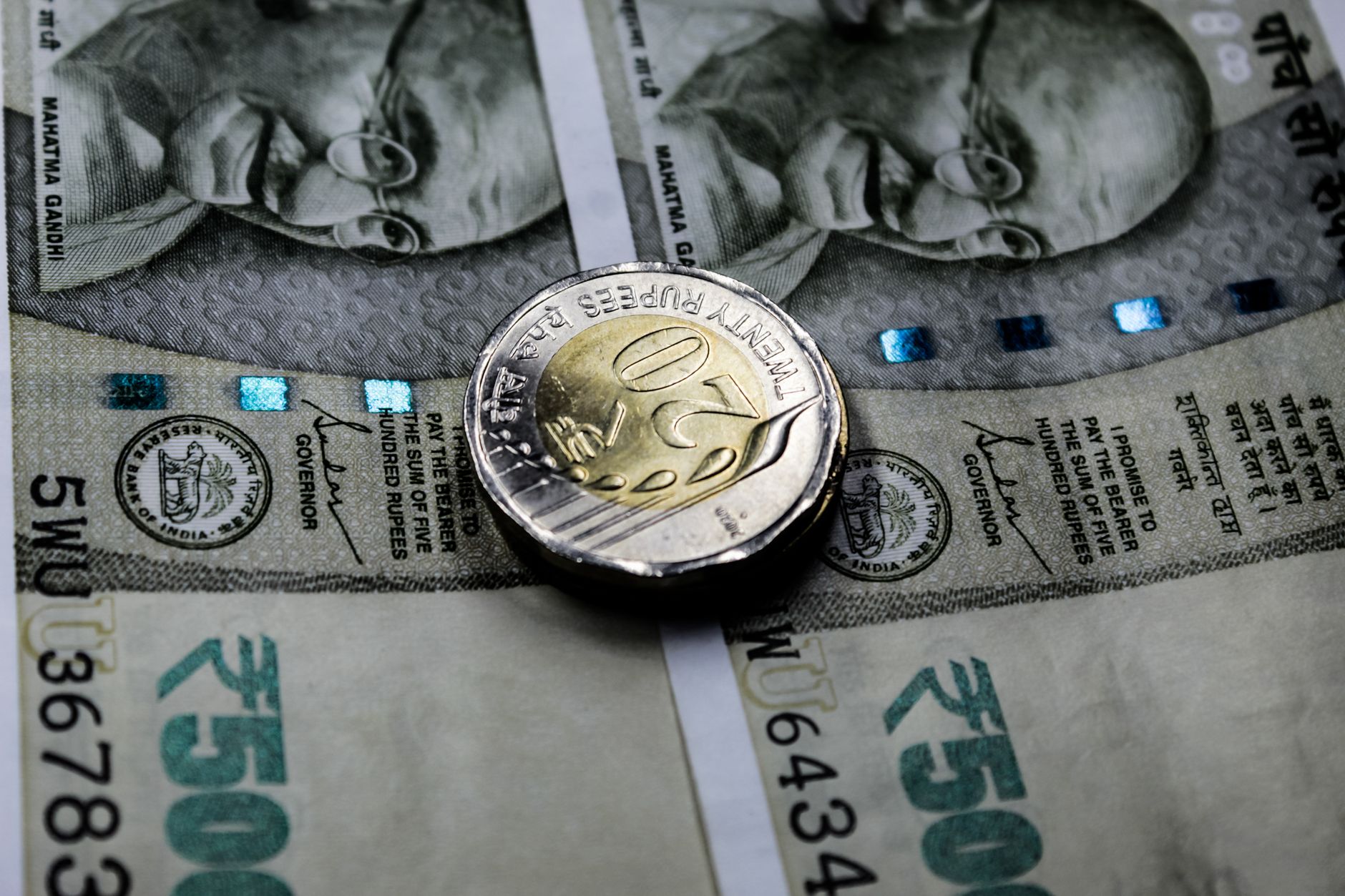
Photo: Ravi Roshan / Pexels
Gold Rate Today, 18 June 2026: 24K at ₹1,52,986 per 10g
If you are checking the gold rate today before a wedding purchase or a festive investment, here is where the market stands on 18 June 2026. Pure 24-carat gold is hovering around ₹1,52,986 per 10 grams, while 22-carat gold is near ₹1,40,237 per 10 grams. Silver continues its strong run at roughly ₹2,65,000 per kilogram. Prices have steadied after a choppy stretch, and the reasons behind that calm matter as much as the numbers themselves.
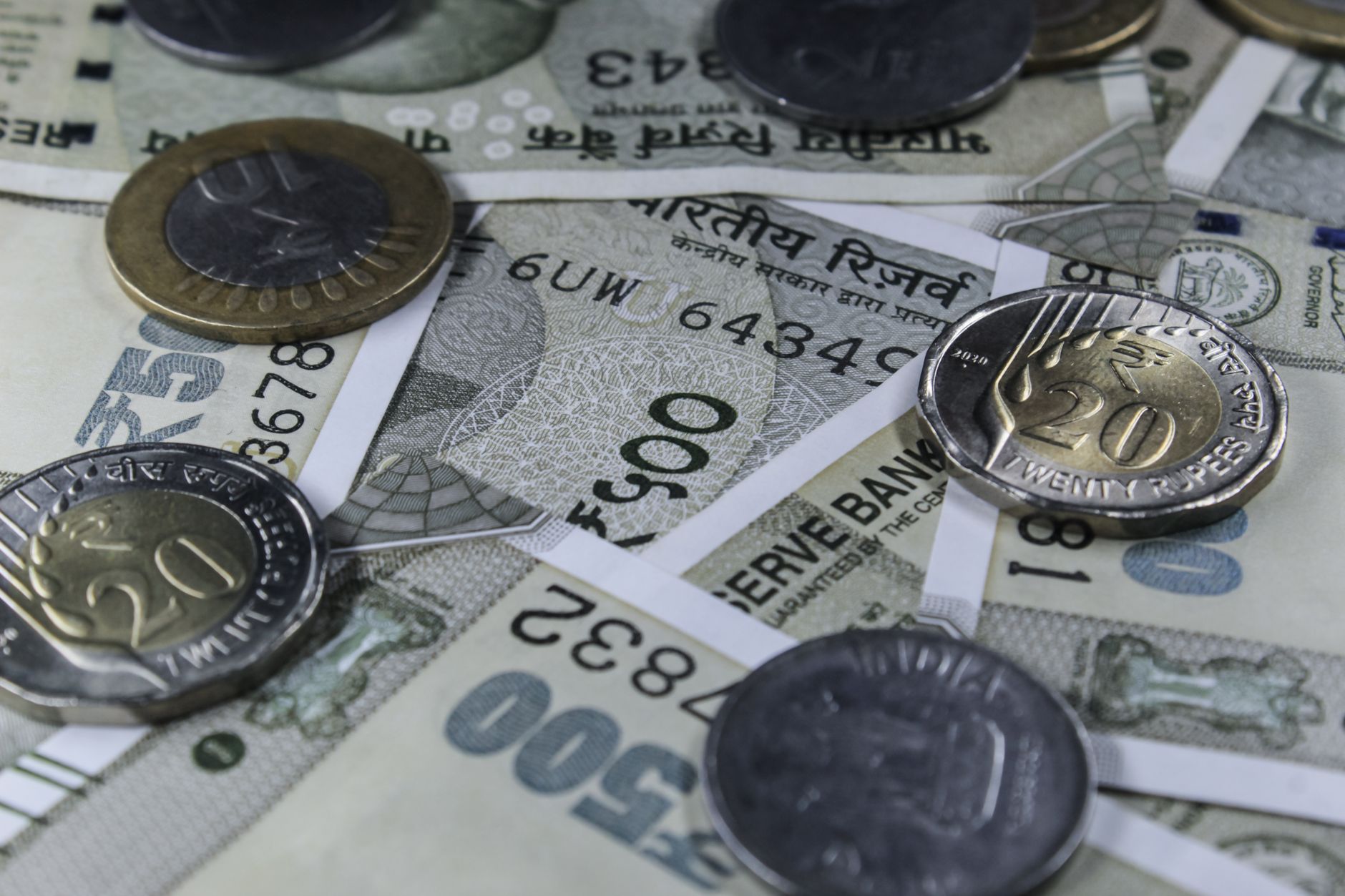
Gold and silver rate today at a glance
Here is the quick snapshot for 18 June 2026, with the important caveat that these are indicative national-average bullion rates and not what you will finally pay at the counter.
- 24K gold (999 purity): about ₹1,52,986 per 10 grams
- 22K gold (916 purity): about ₹1,40,237 per 10 grams
- Silver (999): about ₹2,65,000 per kilogram
The roughly ₹12,700 gap between 24K and 22K per 10 grams is simply a purity difference. Pure gold is too soft for everyday jewellery, so 22K is alloyed with metals like copper or zinc for durability. If you are buying coins or bars to save, 24K makes sense. For ornaments you intend to wear, 22K is the standard.
What is moving precious metals right now
Gold spent much of 2026 reacting to West Asia. The recent preliminary US-Iran understanding and the sharp slide in crude oil prices have taken some of the fear premium out of the market. When geopolitical risk eases, the rush into safe-haven gold cools, and that is part of why prices have stopped climbing relentlessly.
The currency is the other big lever. The rupee is trading around ₹94.57 to the dollar, and a firmer rupee makes imported gold marginally cheaper in local terms even when global prices hold flat. India imports almost all its gold, so the USD/INR rate quietly shapes every counter price in the country.
There is also a tax floor under prices. The 10% Basic Customs Duty plus 5% Agriculture Infrastructure and Development Cess, in effect since May 2026, gets added to the landed cost of imported gold. That structural cost is one reason Indian rates rarely fall as fast as international headlines suggest.
Silver, meanwhile, is running on its own engine. Beyond its role as a cheaper safe haven, silver is an industrial metal feeding solar panels, electronics and electric-vehicle components. That dual demand has kept it firm even on days when gold drifts.
How the broader markets are placed
Equities are holding a softer band than their earlier peaks but trading with a steadier tone. The Sensex is around 77,155.62 and the Nifty 50 near 24,085.70, helped by cooling oil and a return of foreign buyers after a long selling streak. When stocks feel stable and crude is soft, the panic bid for gold tends to fade.
For context on where speculative money is flowing, Bitcoin is quoting around ₹62,28,980 in rupee terms. Crypto, equities and gold often compete for the same investor attention, and right now none of them is screaming crisis. That relatively calm backdrop is exactly why gold's momentum has paused rather than reversed.
City rates vary, and so does your final bill
The single most common mistake buyers make is treating one quoted number as gospel. Rates shift from city to city because of local taxes, entry levies, freight and dealer margins.
- Mumbai and Bengaluru usually sit close to the national average.
- Delhi can run a touch lower on some days.
- Chennai and Hyderabad often carry a small premium, with southern markets historically quoting a few hundred rupees more per 10 grams.
More importantly, the rates above are base metal prices that exclude 3% GST and making charges. On jewellery, making charges typically range from 8% to 25% of the gold value depending on design and the jeweller. So a piece advertised at the day's rate can cost noticeably more once tax and labour are stacked on. Those making charges are also non-recoverable when you sell, which is why coins and bars give better resale value than intricate ornaments.
Is this a good time to buy?
The honest answer is that it depends on why you are buying. A few balanced points to weigh:
- For long-term savings, gold has done its job over decades as an inflation hedge and a portfolio diversifier. Buying in small, regular amounts rather than one lump sum smooths out the price swings.
- For weddings and festivals, where the purchase is non-negotiable, splitting it into two or three buys over a few weeks reduces the risk of timing a single bad day.
- For a quick profit, the picture is less inviting. With geopolitical tension easing and crude falling, the near-term upside looks capped, and chasing a metal after a big run rarely ends well.
If you want gold purely as an investment, instruments like gold ETFs, gold mutual funds or digital gold avoid making charges and storage worries entirely. Physical metal still makes sense for those who value holding it, but pay attention to hallmarking: insist on the BIS mark and the six-digit HUID so you are certain of purity.
What to watch next
Three things will set the tone in the coming days. First, whether the US-Iran truce holds or fresh tension pushes crude and safe-haven demand back up. Second, the rupee's path against the dollar, since any sharp weakening would lift local gold prices regardless of global trends. Third, central bank buying, which has been a steady support under gold globally and is unlikely to disappear soon.
For everyday buyers, the takeaway is simple. Treat the daily rate as a guide, confirm the live price with your local jeweller, factor in GST and making charges before you commit, and never borrow to buy a metal. Gold rewards patience far more than it rewards timing.


