
Photo: The Glorious Studio / Pexels
Gold Rate Today (20 June 2026): 24K at ₹1,47,047, Silver Near ₹2.75 Lakh
Gold opened the day on a firm footing across Indian markets. As of 20 June 2026, the indicative national rate for 24K (999) gold sits near ₹1,47,047 per 10 grams, while 22K gold is quoting around ₹1,34,793 per 10 grams. Silver is holding close to ₹2,60,000 per kilogram. If you are checking the gold rate today before a wedding purchase or a monthly investment, these are the numbers that matter — but the headline figure is only half the story.

Gold rate today at a glance
Here is where the metals stand this morning, before any local taxes or shop charges:
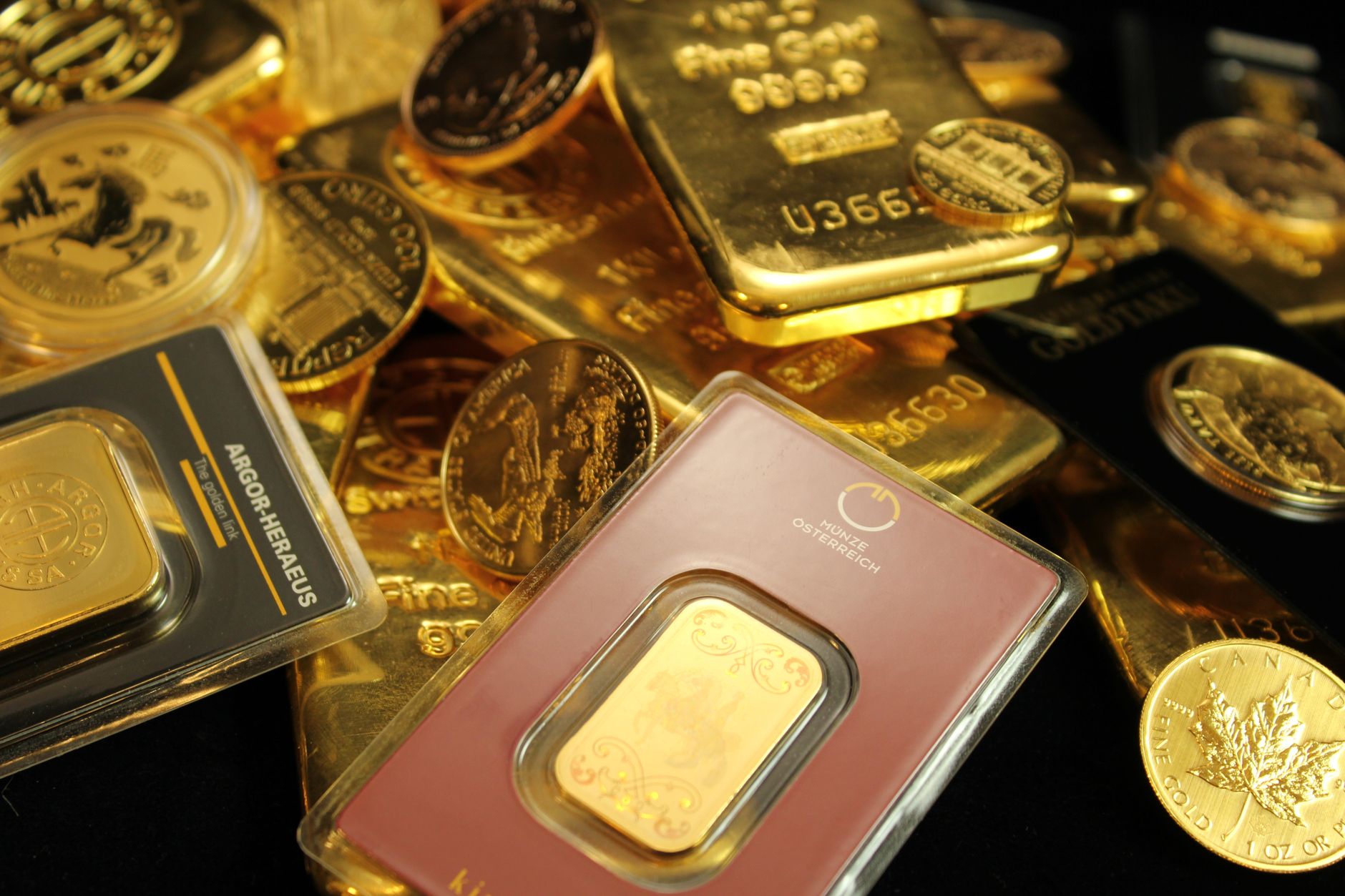
- 24K gold: about ₹1,47,047 / 10g (purest form, used for coins and bars)
- 22K gold: about ₹1,34,793 / 10g (the jewellery standard at 91.6% purity)
- Silver: about ₹2,60,000 / kg
The roughly ₹12,000 gap between 24K and 22K per 10 grams is not a discount. It reflects purity: 24K is 99.9% gold, while 22K is alloyed with harder metals so a chain or bangle survives daily wear. For ornaments you will almost always be buying 22K; for pure investment, 24K coins and bars make more sense.
Why prices are sitting where they are
Gold does not move in a vacuum. Three forces are doing most of the pushing right now.
The first is the rupee, which is trading around ₹94.35 to the US dollar. India imports nearly all its gold, so a weaker rupee makes the same ounce more expensive in local terms even when international prices are flat. A soft currency quietly props up domestic gold prices.
The second is global risk appetite. When investors get nervous about geopolitics, interest rates or equity valuations, they rotate into gold as a store of value. Persistent tension around West Asia and the energy supply chain has kept a safety bid under the metal through much of 2026.
The third is silver's own personality. After a wild stretch that saw silver spike to record highs and then shed close to a third of its value, the metal remains jumpy. Industrial demand from solar panels and electronics gives it a real floor, but it is far more volatile than gold and tends to overshoot in both directions.
How the broader market is trading
Precious metals never trade alone, and today's wider screen gives useful context. The Sensex is at 76,802.90 and the Nifty 50 at 24,013.10, with equities consolidating rather than racing ahead. When stocks wobble or stall, some money typically drifts toward gold, which is part of why the metal has stayed resilient.
Bitcoin is quoting around ₹59,64,000, a reminder that the so-called alternative assets — gold, silver and crypto — often draw from the same pool of cautious or speculative capital. The difference is that gold has a few thousand years of trust behind it and a festival-and-wedding demand engine that no other asset in India can match.
City rates vary — and so does your final bill
The single biggest mistake buyers make is treating one published rate as gospel. The number you see online is an indicative national rate. What you actually pay in Mumbai, Delhi, Chennai, Hyderabad or Bengaluru will differ, often by ₹100 to ₹1,000 per 10 grams.
Those gaps come from local jewellers' association rates, octroi-era pricing habits, transport, regional demand and dealer margins. Chennai and Kerala markets, for instance, frequently run a touch higher than the north on certain days because of strong physical demand.
Two things to burn into memory before you walk into a showroom:
- GST is extra. A flat 3% GST is added on top of the metal value. The quoted rate does not include it.
- Making charges are extra too. These can run anywhere from roughly 8% to 25% depending on the design, and on intricate or branded jewellery they can be even steeper. They are usually non-refundable when you sell or exchange.
So a ₹1,34,793 figure for 22K can easily become well over ₹1,45,000 once tax and making charges land on the bill for a finished ornament. Always ask for the per-gram rate, the making charge in rupees or percentage, and the GST as separate line items.
Is this a good time to buy?
The honest answer: it depends on why you are buying, not on whether today's candle is green or red.
If you are buying for a wedding or festival, the question of timing is largely moot. You need the jewellery by a fixed date, so spreading purchases over a few weeks to average out the price beats trying to nail a single low.
If you are buying as an investment, gold near record territory calls for discipline rather than excitement. A few sensible angles:
- Accumulate, don't lump-sum. Treating gold like a monthly SIP smooths out volatility far better than betting on one perfect entry.
- Mind the form. For pure investment, digital gold, gold ETFs and gold mutual funds avoid making charges and storage worries entirely. Physical coins from a hallmarked source work too, but jewellery is the least efficient way to invest because of making charges.
- Check the hallmark. Insist on the BIS hallmark with the six-digit HUID on any physical gold. It is your only real guarantee of stated purity.
- Keep allocation sane. Most planners suggest gold sit at roughly 5-15% of a portfolio as a hedge, not as a core growth engine.
Silver deserves a sharper warning. Its industrial story is genuine, but the swings are brutal. Anyone who chased the recent record high and then watched a 30% slide knows the metal punishes leverage and impatience. Buy it only with money you can leave untouched through deep dips.
What to watch next
For the days ahead, keep one eye on the rupee-dollar rate and one on global cues. A further slide in the rupee past ₹94.5 would add upward pressure on local prices regardless of what gold does abroad. Conversely, any cooling in geopolitical tension or a firmer rupee could let some air out.
The practical takeaway is simple. Use today's gold rate — 24K near ₹1,47,047 and 22K near ₹1,34,793 — as a benchmark, confirm your city's exact rate at the counter, demand the GST and making-charge breakup in writing, and decide based on your goal rather than the day's noise. Gold rewards the patient buyer far more often than the lucky one.


