
Photo: The Glorious Studio / Pexels
Gold Rate Today 8 June 2026: 24K ₹1,52,551, Silver Cools
Gold has slipped a touch this week, and that single fact is enough to send millions of Indian buyers reaching for their phones to check the gold rate today. As of 8 June 2026, 24-karat gold is hovering around ₹1,52,551 per 10 grams, while 22-karat sits near ₹1,39,838 per 10 grams. Silver is trading at roughly ₹2,65,000 per kilogram. Here's what's behind the numbers, why your local jeweller may quote something slightly different, and whether today is a sensible day to walk in and buy.

Gold Rate Today: The Headline Numbers
Let's start with the figures that matter to anyone planning a purchase or simply tracking their savings.
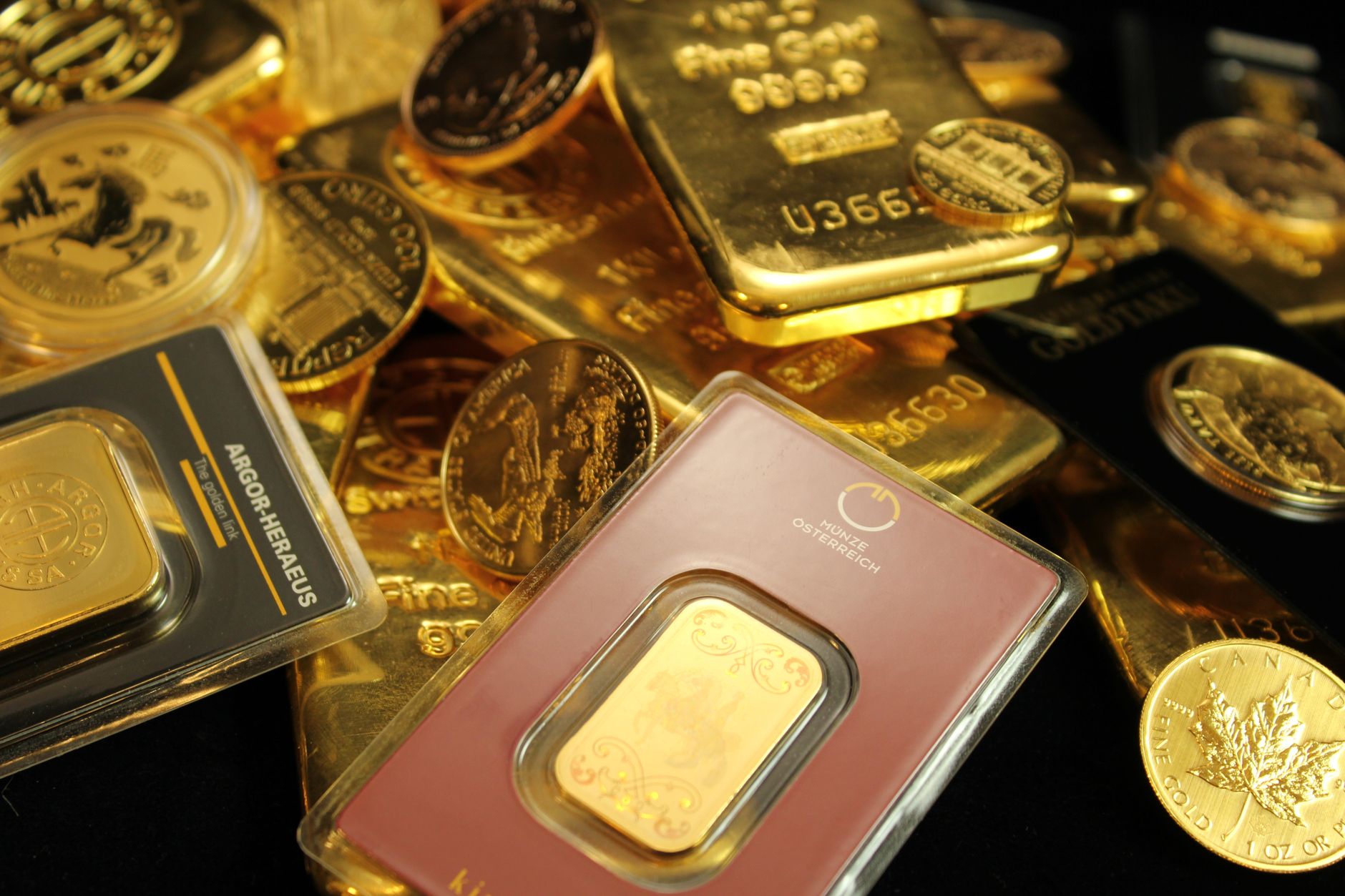
- 24K gold (999 purity): about ₹1,52,551 per 10g — the benchmark for coins, bars and investment-grade gold.
- 22K gold (916 purity): about ₹1,39,838 per 10g — the grade most jewellery is made from.
- Silver: about ₹2,65,000 per kg, or roughly ₹265 per gram.
The gap between 24K and 22K is not a discount — it reflects purity. 24K is 99.9% pure, while 22K is 91.6% pure, alloyed with metals like copper or zinc to make it hard enough to wear daily. That is why ornaments are almost always 22K, while wealth-storage buyers lean towards 24K coins and bars.
Notably, today's level is a modest cool-off from the higher prints seen just days earlier, when 24K brushed past the ₹1.54 lakh mark. For buyers who have been waiting on the sidelines, even a small dip can feel like an opening.
What's Moving Gold and Silver Right Now
Gold prices in India are a tug-of-war between global cues and the rupee. Three forces dominate:
- The US dollar and interest-rate expectations. When markets bet on rate cuts, gold — which pays no interest — becomes more attractive, and prices firm up. When the dollar strengthens, the opposite happens.
- The rupee. With USD/INR near ₹95.2, a weaker rupee makes imported gold costlier in local terms even when global prices are flat. India imports almost all its gold, so the exchange rate is a silent but powerful lever.
- Safe-haven demand. Lingering geopolitical tension and central-bank buying have kept a firm floor under bullion through 2026, even as day-to-day prices wobble.
Silver carries an extra twist: it is both a precious metal and an industrial one. Demand from solar panels, electronics and electric vehicles pulls it in a different direction from gold, which is why silver tends to swing harder in both directions. After a dramatic run earlier this year, silver has settled into a calmer range near ₹2.65 lakh a kg.
The Wider Market Picture
Precious metals don't trade in a vacuum. On the same day, equities are steady-to-soft, with the Sensex around 75,300 and the Nifty 50 near 23,050. When stocks feel frothy or uncertain, some investors rotate a slice of money into gold as ballast — one reason bullion has stayed resilient.
Meanwhile, Bitcoin is trading around ₹59,35,000, a reminder that the menu of "alternative" assets has widened. But for the vast majority of Indian households, physical gold and silver remain the trusted store of value — woven into weddings, festivals and family savings in a way crypto simply isn't.
Why City Rates Differ: Mumbai to Bengaluru
Here is a point that confuses many first-time buyers: there is no single nationwide gold price. The rate you see advertised can vary by a few hundred rupees per 10 grams between cities, and the reasons are practical:
- Local taxes and octroi-style levies, plus transport and insurance costs from import hubs.
- Association-set rates — city jewellers' associations in Mumbai, Delhi, Chennai, Hyderabad and Bengaluru publish their own daily benchmarks.
- Demand and dealer margins, which shift with local festival and wedding seasons.
As a rough guide, southern cities like Chennai often quote marginally higher rates owing to strong demand and local conventions, while Delhi and Mumbai track closely to the national benchmark. The differences are small, but on a large purchase they add up.
The Numbers You'll Actually Pay
The rates above are metal-only benchmarks. Your final bill will be higher because of two add-ons that buyers routinely forget:
- GST of 3% on the value of the gold or silver.
- Making charges, which can range from roughly 8% to 25% depending on whether the piece is machine-made or intricately handcrafted. Lightweight, simple designs cost less to make; heavy bridal sets cost the most.
So a 22K chain advertised at the day's rate could land 10–28% above the sticker value once tax and making charges are stacked on. When comparing jewellers, always ask for the per-gram rate, the making charge, and the GST spelled out separately. And insist on hallmarked jewellery carrying the six-digit HUID, which is now mandatory for assured purity.
Is It a Good Time to Buy?
This is the question everyone really wants answered — and the honest reply is: it depends on why you're buying.
If you're buying for a real need — a wedding, a festival gift, or a planned purchase — today's small dip from recent highs is a reasonable entry. Trying to shave off the last few hundred rupees rarely pays off against the stress of waiting.
If you're buying as an investment, resist the urge to time a single perfect bottom. Gold has had a strong multi-year run, and prices near record territory can correct as easily as they climb. A disciplined approach works better:
- Stagger your purchases across months to average out the price, much like a SIP.
- Consider paper gold — gold ETFs or digital gold — to skip making charges and storage worries if you don't need the physical metal.
- Cap your allocation. Many advisers suggest keeping gold to roughly 10–15% of a portfolio, as a hedge rather than a core holding.
Silver, with its sharper swings, suits buyers who can stomach volatility and believe in its long industrial-demand story. It is not a place to park money you may need at short notice.
The Bottom Line
On 8 June 2026, gold has eased to around ₹1,52,551 per 10g for 24K and ₹1,39,838 for 22K, with silver near ₹2,65,000 a kg. Treat the daily rate as a starting point, not a final price — remember GST, making charges, and the small city-to-city gaps. Buy what you need with confidence, invest in steady instalments rather than dramatic bets, and you'll sidestep the anxiety of chasing every wobble in the gold rate today.


