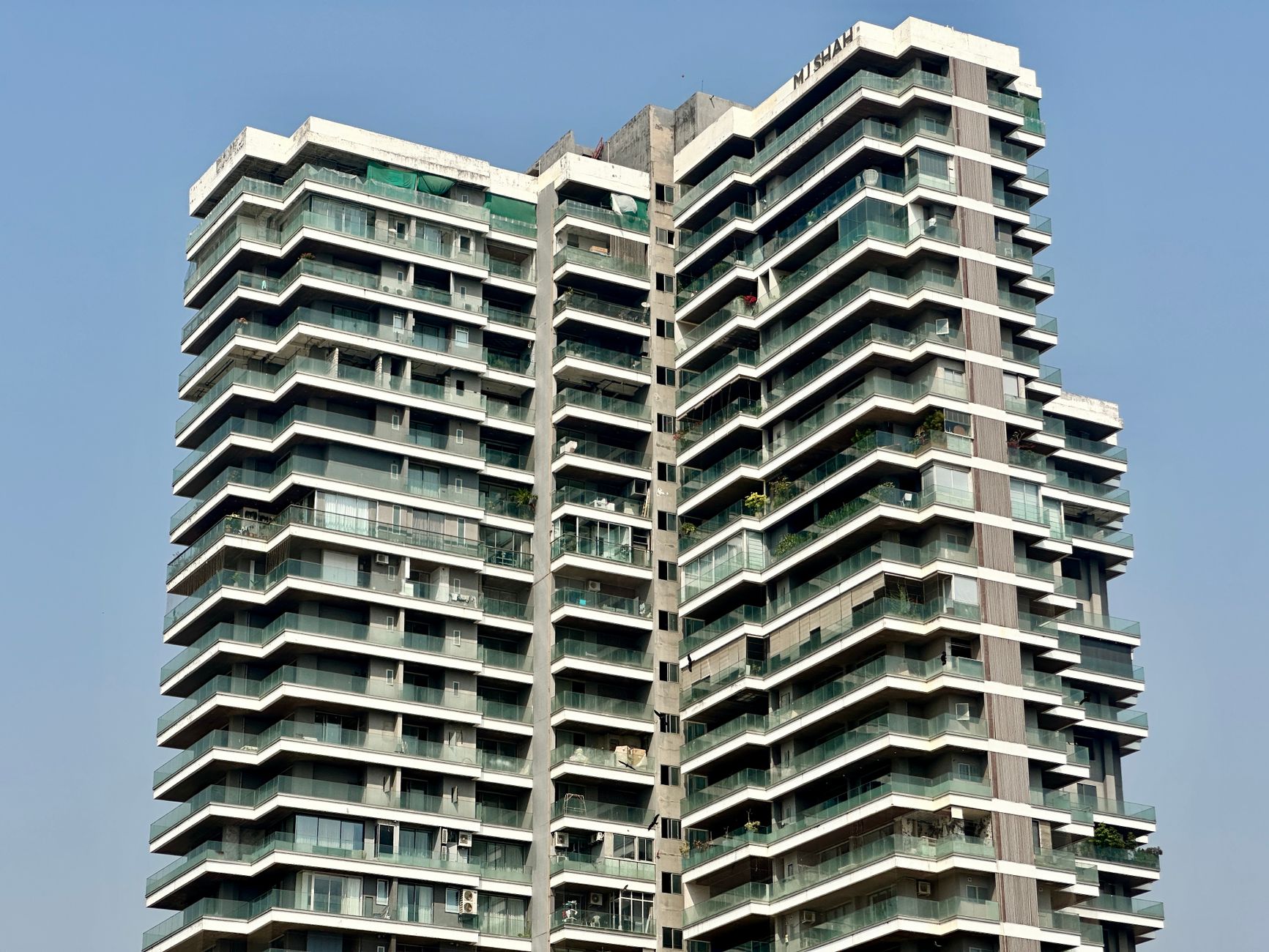
Photo: aksinfo7 universe / Pexels
Branded Homes Are India's 2026 Bet: Check This First
Walk into any new launch in Gurugram, Bengaluru or the Mumbai metropolitan region this year and the pitch sounds less like real estate and more like a five-star check-in. Concierge desks, branded lobbies, valet parking, a name borrowed from a global hotel group stamped on the gate. Branded residences and professionally-managed premium homes have become the defining India real estate story of 2026, and the average home is no longer a modest two-bedroom flat. The typical ticket size has climbed to around ₹1.47 crore, with developers betting that buyers want a lifestyle, not just square footage.
The shift is real and it is fast. New residential launches are expected to cross 300,000 units in 2026, and a striking share of that supply sits in the premium and luxury bands. But the gloss hides a few traps, and the buyer who reads only the brochure tends to overpay. Here is what is actually changing, and the short list of things worth checking before you sign anything.

Why premium and branded homes took over
Three forces converged. First, money got cheaper. A roughly 125-basis-point rate-cut cycle pulled home-loan rates down and nudged fence-sitters into the market. Second, incomes at the top rose, and NRI buyers came back in force, both groups hunting for larger, better-located homes rather than entry-level boxes. Third, the people building the demand changed jobs: IT and Global Capability Centre employment is spreading into Tier-2 hubs, creating well-paid buyers in cities that never had this kind of supply before.
Developers responded by moving up the value chain. Integrated townships, gated villa communities, senior-living projects, managed student housing and co-living formats are all expanding. The common thread is professional management: buyers increasingly want someone else to run the security, the gym, the clubhouse and the upkeep to a consistent standard.
Branded residences are the sharpest expression of that appetite. Family offices and private equity have piled in, treating them as a distinct asset class. For the buyer, the promise is simple: global service benchmarks and a name that signals status and, in theory, holds resale value.

The catch nobody puts on the hoarding
A brand on your front door is not free, and the cost does not stop at the sale price. Branded residences typically carry a meaningful premium over a comparable unbranded home in the same micro-market. You are paying for the name and the promise of service.
More importantly, you keep paying. These projects usually come with recurring brand-licensing and management fees layered on top of normal maintenance. The monthly CAM (Common Area Maintenance) bill on a serviced, branded tower can run far higher than a regular society, and it rarely falls. Read the fine print on three things:
- How the brand fee and management fee are calculated, and whether they can rise annually.
- What happens if the brand walks away or the operator's contract lapses. Does the premium you paid simply evaporate?
- Whether the promised services are contractually guaranteed or merely "intended," which is a very different thing in court.
Resale is the other open question. A branded home commands a premium when the brand is hot. If the operator's reputation slips or the building ages without reinvestment, that premium can shrink faster than the underlying property's value.
Ready-to-move versus the long game
One quiet but telling change in 2026: buyer psychology has moved from "ready now" toward "right for the future." Premium under-construction housing is being chosen deliberately by end-users who are thinking five and ten years out, not just chasing immediate possession.
That is a legitimate strategy, but it reintroduces construction risk. Under-construction means trusting a timeline. Ready-to-move means you see exactly what you are buying and you skip GST on the purchase. Neither is automatically better. What matters is the developer's delivery record and whether the paperwork holds up, which brings us to the part most buyers rush.
The checks that actually protect you
Fraction of the buyers who tour a sample flat for an hour spend even ten minutes on the documents. Reverse that. Before any token amount changes hands, confirm the following.
- RERA registration. The project must carry a valid registration number on your state's RERA portal. Open the portal yourself and match the approved plans, promoter details and possession timeline against what the sales team is claiming. Discrepancies are a red flag, not a clerical error.
- Carpet area, not super built-up. Insist on pricing by carpet area, the actual usable space inside your walls. Confusing it with super built-up area can mean paying for roughly a third more space than you will ever live in.
- Occupancy and Completion Certificates. The OC declares the building legally fit to live in; the CC confirms construction met approved plans. A flat without a valid OC is a liability, no matter how finished it looks.
- Encumbrance Certificate. Pull a clean EC from the sub-registrar covering the last 13 to 30 years. It tells you whether the land carries unresolved loans, mortgages or legal claims. Banks demand it before lending; you should demand it before buying.
- Builder-buyer agreement. It must spell out carpet area, total price, the payment schedule, a firm possession date and penalty clauses if the developer is late. Vague language here is where buyers lose the most money.
For branded and managed projects, add one more line item: get the maintenance and brand-fee structure in writing before you fall in love with the lobby.
What this means for your money
The rate-cut cycle made the headline EMI look friendlier, but a loan outlives the discount that triggered it. Run the full math, not the teaser. Add the higher CAM and brand fees of a managed project to the EMI, and a home that felt affordable on the brochure can quietly stretch your monthly budget by a wide margin.
Prices are expected to keep drifting upward through 2026, supported by genuine demand for premium formats rather than pure speculation. That is healthier than a froth-driven boom, but it also means waiting for a crash is a poor plan in the strong micro-markets. The smarter move is to buy what you have verified, in a location with real infrastructure coming, from a developer who has delivered before.
The bottom line
Branded residences and professionally-managed homes are not a fad; they reflect a country growing richer and more demanding about how it lives. But a hotel name on the gate does not replace due diligence. Check the RERA entry, the OC and CC, a clean encumbrance certificate, and the true carpet-area price. Then read the recurring fees twice. The buyers who do all that in 2026 will get the lifestyle they were sold. The ones who skip it will pay for it, every single month, long after the brochure is forgotten.


