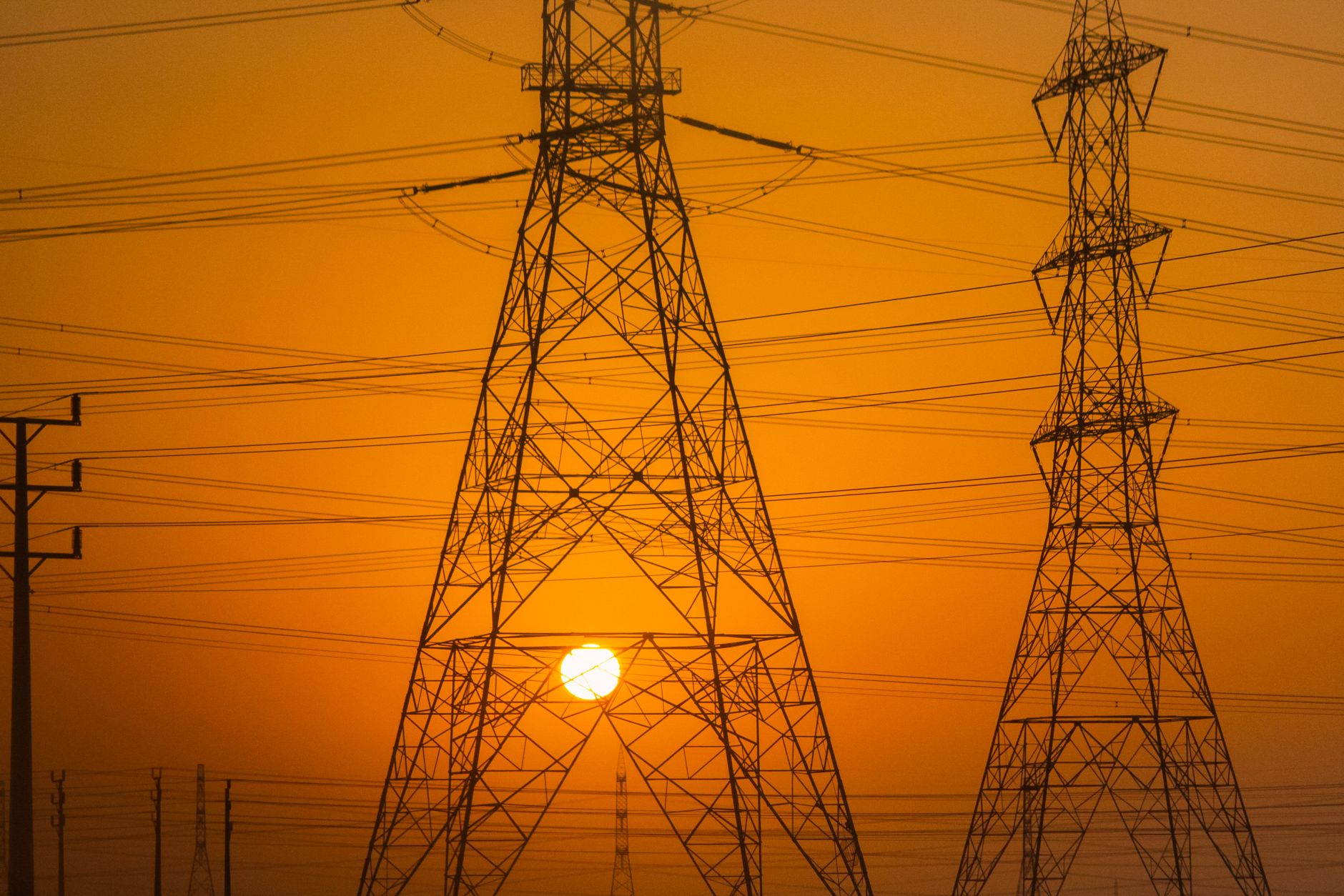
Photo: Abdelrahman Ahmed / Pexels
India's Power Bill: Why the Lights Stay On but Discoms Stay Broke
Most Indians experience the power sector twice a day without thinking about it: when the lights come on, and when the monthly bill arrives. Behind both moments sits one of the country's hardest governance puzzles — how to keep electricity reliable for 1.4 billion people while the companies that deliver it stay financially afloat. The two goals pull against each other, and the tension is worth understanding calmly, without finger-pointing.
The headline numbers actually carry good news. Rural India now gets about 22.6 hours of supply a day, up from roughly 12.5 hours in 2014, and urban areas average around 23.4 hours. By the raw measure of "is there power," the country has travelled a long way. Yet anyone who has sweated through a May evening knows reliability is about more than averages. This is a story of real progress, real gaps, and a set of fixes that experts across the spectrum broadly agree on.

The problems a household actually feels
The cuts that hurt are no longer the all-day blackouts of two decades ago. They are sharper and more specific: a transformer that trips on the hottest evening, a feeder that buckles when every air conditioner in the colony switches on at once, voltage dips that trip inverters and damage appliances. For the summer of 2025, peak national demand was projected to touch roughly 273 GW, and adequacy studies flagged May and June as high-risk months with a possible shortfall of 15-20 GW at the worst moments — though milder weather meant the actual peak came in lower and was met without a shortage.
The deeper challenge is timing. India has built about 200 GW of renewable capacity, much of it solar, which is plentiful by day and gone by sunset. Battery storage stands at under 5 GW, so the evening peak — when families return home and demand climbs — is the genuine stress point. Generation surplus on paper does not always reach the switchboard when it is needed most.
For small shops, clinics and home workers, even short, unpredictable cuts carry a cost: spoiled stock, lost work, diesel generators that are expensive and dirty. Studies of small firms consistently find that unreliable supply, more than its outright absence, is what drags on productivity.
Why the companies that supply power keep losing money
Electricity reaches you through a distribution company, or discom — usually state-owned. These utilities buy power from generators and sell it onward, and for years most have sold it for less than it costs them. The gap between the average cost of supplying a unit and the average revenue earned on it is the single most important number in the sector.
The encouraging part: that gap, the ACS-ARR gap, narrowed to about 6 paise per unit in FY25, down from roughly 39 paise the year before. Losses to theft and faulty metering, captured as AT&C losses, fell to 15.04% — the lowest figure on record, against more than 27% in 2008-09. For the first time in over a decade, discoms collectively posted a small profit, around ₹2,701 crore in FY25.
But the legacy weighs heavily. Accumulated discom losses run to roughly ₹6.47 lakh crore, and outstanding sector debt to around ₹7.26 lakh crore. Three structural habits keep the hole open. Tariffs are revised late or not at all in several states, so costs rise while prices stay frozen. Subsidies promised to compensate for cheap or free supply to farmers and households are often released slowly. And lower-than-cost rates for some consumers are recovered by charging industry and commerce more — a cross-subsidy that, pushed too far, drives large buyers to set up their own captive power and shrink the discom's best-paying customers.
What has genuinely worked
It would be unfair to call this a story of failure. Successive national efforts have moved real numbers, and that deserves acknowledgement.
- UDAY (2015) had state governments absorb three-quarters of their discoms' debt, buying breathing room and forcing operational targets onto the books.
- The Revamped Distribution Sector Scheme (RDSS), launched in 2021 with an outlay near ₹3 lakh crore, ties central funding to utilities actually reducing losses and upgrading wires, transformers and feeders.
- Smart prepaid metering is scaling fast: reportedly about 5.28 crore meters installed by the end of 2025, with the daily pace climbing toward 80,000 units. Prepaid billing, where it works, ends the cycle of unread meters and uncollected dues.
- Rural electrification and last-mile connections have brought near-universal access, a genuine achievement by global standards.
These are not cosmetic. The fall in AT&C losses and the first profit in a decade flow directly from this groundwork.
Where the effort is falling short
Progress has been real but uneven, and honesty about the shortfalls matters as much as celebrating the wins. The RDSS aimed to push AT&C losses to 12-15% and close the cost-revenue gap by March 2026; the loss figure has reached the top of that band, but the deadline for installing 25 crore smart meters has slipped to March 2028. Of the meters installed, only a small fraction — under 2% — are actually running in prepaid mode and communicating fully, which is where the financial benefit lives.
Tariff discipline remains the soft spot. Some states have gone years without an upward revision, quietly rolling losses forward, while regulators in places allow "regulatory assets" — costs deferred to a later day that may never fully arrive. And of the states that budget power subsidies, only about two-thirds release the full amount on time. None of this is the fault of one government or one party; it is a recurring incentive trap that cuts across political lines.
The reforms experts keep coming back to
There is more consensus here than the noise suggests. The fixes are technical, not ideological.
- Tie tariff revisions to a formula, not a calendar fight. Automatic, modest annual adjustments linked to input costs and inflation are far less painful than the occasional steep shock — and they keep the cost-revenue gap from reopening.
- Pay subsidies straight to consumers' accounts. Direct benefit transfers let the stated price reflect the true cost while still protecting farmers and poor households, instead of starving the discom of cash and hiding the real bill.
- Invest in evening-peak storage. Batteries, pumped hydro and demand-side tools that shift load away from the 7-to-10pm crunch are now the binding constraint, not daytime generation.
- Finish smart metering properly. A meter only helps once it is prepaid and communicating; the value is in the data and the discipline, not the hardware count.
- Strengthen, not just restructure, the discom. Where private participation or franchising is tried, fair treatment of existing staff and clear service standards decide whether it improves reliability or merely shifts ownership. Independent regulators with the spine to order timely true-ups matter more than the logo on the bill.
A Draft Electricity (Amendment) Bill circulated in 2025 touches several of these themes, including cost-reflective pricing and competition. Its details and timing remain open, and reasonable people disagree on specifics. But the direction — price honesty, targeted protection for the vulnerable, and money spent where the grid is weakest — is widely shared.
The bottom line
India's power system has quietly become far more reliable than it was a generation ago, and its finances are, for the first time in years, pointing the right way. The remaining problems are stubborn but solvable, and they are mostly problems of timing and incentives rather than capacity. Keeping the lights on and keeping the discoms solvent are not competing goals. Done patiently — with steadier tariffs, faster subsidy transfers and smarter handling of the evening peak — they are the same goal, reached from two directions at once.