Photo: Borys Zaitsev / Pexels
Indian Passport in 2026: Fees, Documents and the Real Timeline
Applying for an Indian passport in 2026 looks deceptively simple on screen: fill a form, pay online, pick a slot. The part that trips people up is the gap between what the website promises and what actually lands in your hands. The booklet itself can be printed in days. Whether you hold it in a week or a month usually comes down to one thing nobody warns you about — the police constable assigned to your address.
Here is a clear, current picture of what a passport application costs this year, exactly which documents to carry, and how long the process really runs, so you can plan a trip without gambling on the timeline.

What a passport actually costs in 2026
The fee depends on three things: how many pages you want, whether you choose normal or Tatkal, and whether the applicant is an adult or a minor. The booklet comes in a 36-page and a 60-page version — frequent flyers who fill pages with visa stickers and stamps go for the thicker one.
For adults, the current charges are:
- 36-page normal: ₹1,500
- 60-page normal: ₹2,000
- 36-page Tatkal: ₹3,500
- 60-page Tatkal: ₹4,000
The Tatkal figure isn't a separate price — it's the normal fee plus a flat ₹2,000 Tatkal premium for jumping the queue. Minors under 18 applying for a shorter-validity passport pay less, typically ₹1,000 for a 36-page normal booklet, with the same ₹2,000 premium added under Tatkal.
One genuinely good piece of news: every passport now issued in India is a chip-enabled e-passport, and it costs you nothing extra. The fee structure is unchanged from the old laminated booklets. If you lose your passport or need a replacement for damaged or exhausted pages, expect a higher fee — a lost-passport replacement carries a penalty component.
The documents you need, without the guesswork
A fresh application rests on three boxes: Proof of Identity, Proof of Address, and Proof of Date of Birth. The trick most people miss is that one document can satisfy more than one box.
Aadhaar is the workhorse — it's accepted for identity, for address, and for date of birth. For many first-time adult applicants, Aadhaar plus one supporting document is genuinely all it takes. That said, the cleanest date-of-birth proof remains a birth certificate or a matriculation/SSLC certificate, and having one avoids arguments at the counter.
Commonly accepted documents include:
- Identity: Aadhaar, Voter ID, PAN card, driving licence, or a government photo ID carrying your date of birth.
- Address: Aadhaar, a recent electricity, water, gas or landline/postpaid mobile bill (less than a year old), bank passbook with address, voter ID, or a spouse's passport copy if you share the address.
- Date of birth: Birth certificate, matriculation certificate, PAN, Aadhaar or driving licence.
Carry originals plus one set of self-attested photocopies to your appointment. The system is largely paperless now, but the officer verifies originals on the spot. Special situations — a name change after marriage, a single parent, a minor with one parent abroad — need specific annexures or affidavits, so check the document advisor on the Passport Seva site before booking if any of that applies to you.
Step by step, from form to fingerprints
The core process hasn't changed much, even after the Passport Seva 2.0 upgrade that moved the whole system onto a single cloud platform. Here is the sequence:
- Register on the Passport Seva portal (or the mPassport Seva app) with a working email and mobile number.
- Choose Fresh Passport, fill the form, and select 36 or 60 pages plus normal or Tatkal.
- Pay the fee online — payment is mandatory to lock an appointment.
- Book a slot at a Passport Seva Kendra (PSK) or a Post Office Passport Seva Kendra (POPSK). POPSKs have hugely widened access in smaller towns.
- Show up on time with originals and photocopies. Walk through three counters — document check, biometrics and photo, and a final review by a passport officer.
- Track your application using the file number sent to you.
Biometrics are captured at the centre, so you don't need to fuss over studio photographs for an adult fresh application in most cases — the kendra photographs you. The whole visit, when documents are in order, usually wraps up in an hour or two.
Why the timeline is really about police verification
This is where expectations and reality part ways. The Ministry of External Affairs has said average issuance is down to roughly three working days for Tatkal and seven for normal service. That figure measures the passport office's own turnaround — not the full journey to your doorstep.
For a normal application, police verification happens before the passport is printed. A report goes to your local station, and a constable either visits your home or asks you to come in with documents. If your station is quick and your paperwork is clean, you can be done in two weeks. If the station is swamped, you've recently moved, or your address is hard to trace, it can stretch to a month or more. Realistically, plan for two to four weeks for a normal passport and don't book non-refundable flights against the seven-day headline.
Tatkal flips the order. Verification is post-issuance — the booklet is typically printed and dispatched within 1 to 3 working days, and the police check follows after you already hold the passport, usually within about a month. You can travel during that window. The catch: if you fail post-verification, the passport can be cancelled, so don't treat it as a way to dodge scrutiny.
A tip that quietly speeds things up: keep your address consistent across Aadhaar, your utility bills and the form. Mismatched addresses are the single most common reason a verification drags.
The e-passport, and what the chip changes
From late 2025, India completed a nationwide switch to chip-enabled e-passports under Passport Seva 2.0, linking dozens of regional offices, scores of PSKs, hundreds of post-office centres and Indian missions abroad onto one platform.
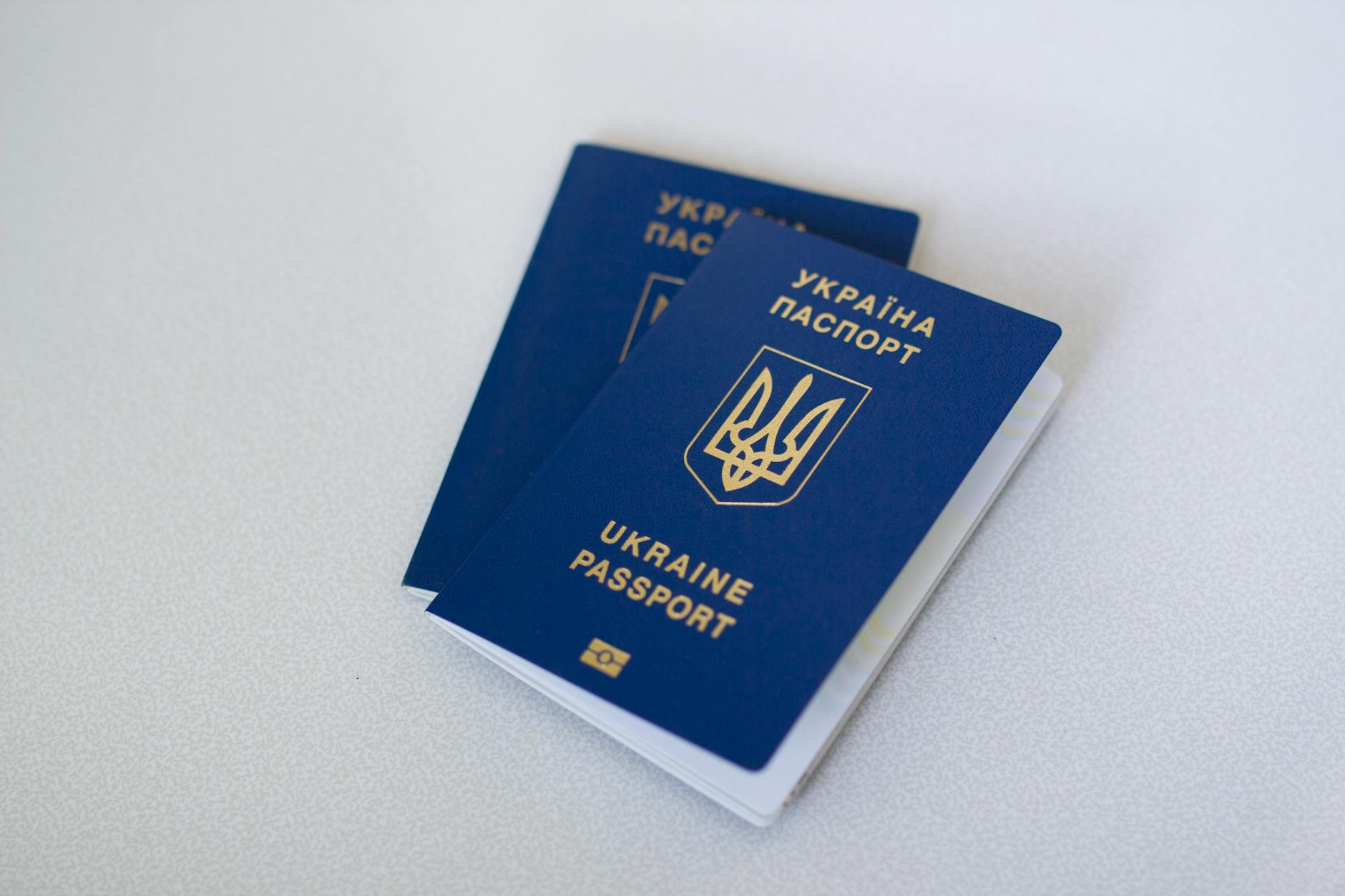
The booklet looks almost identical, but an RFID chip and antenna are embedded in the cover, storing the same personal and biometric data printed on the photo page in encrypted form. The point is faster, tamper-resistant authentication at automated e-gates, which the government plans to roll out across most major Indian airports. You don't apply differently and you don't pay more — if you get a new passport in 2026, you simply get the chip version by default. Existing passports stay valid until they expire; there's no need to rush a replacement just for the chip.
A realistic plan before you book
If you have a trip in mind, work backwards. For a normal passport, give yourself a comfortable six to eight weeks of buffer before you need to travel — that absorbs a slow police check and Speed Post delivery. If you're tighter than that, Tatkal is worth the extra ₹2,000 because it removes the verification step from the critical path.
Get your address proof clean first, keep Aadhaar details current, and carry originals to the kendra. Do that, and the part you can control — the application itself — becomes the easy bit. The waiting, as always in India, depends on a knock at your door.