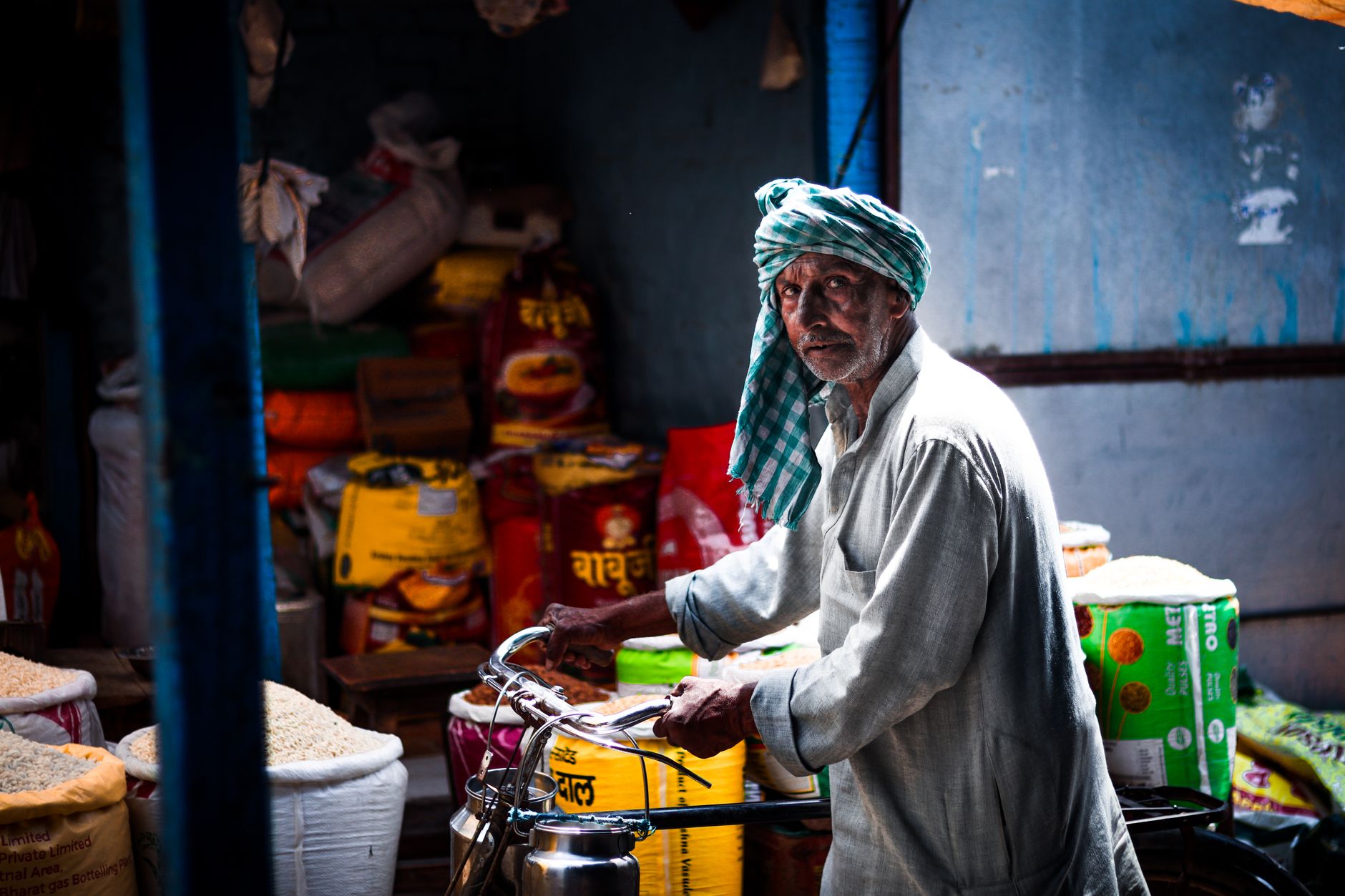
Photo: Ritam karmakar / Pexels
June 2026 Festival Calendar: Why an Extra Month Moved It
If June's festival calendar feels oddly back-loaded this year, you are not imagining it. Almost every big Hindu observance in June 2026 is clustered into the last week of the month, leaving the first fortnight strangely quiet. The reason is one of the most fascinating quirks of the Indian lunisolar calendar: an Adhik Maas, a whole extra month that quietly reshuffled the schedule.
This is your practical guide to the June 2026 festival calendar — what India is celebrating, when, and why the dates landed where they did. Whether you are planning a fast, a temple visit, a long weekend or just want to know why the wedding season suddenly paused, here is the full picture.
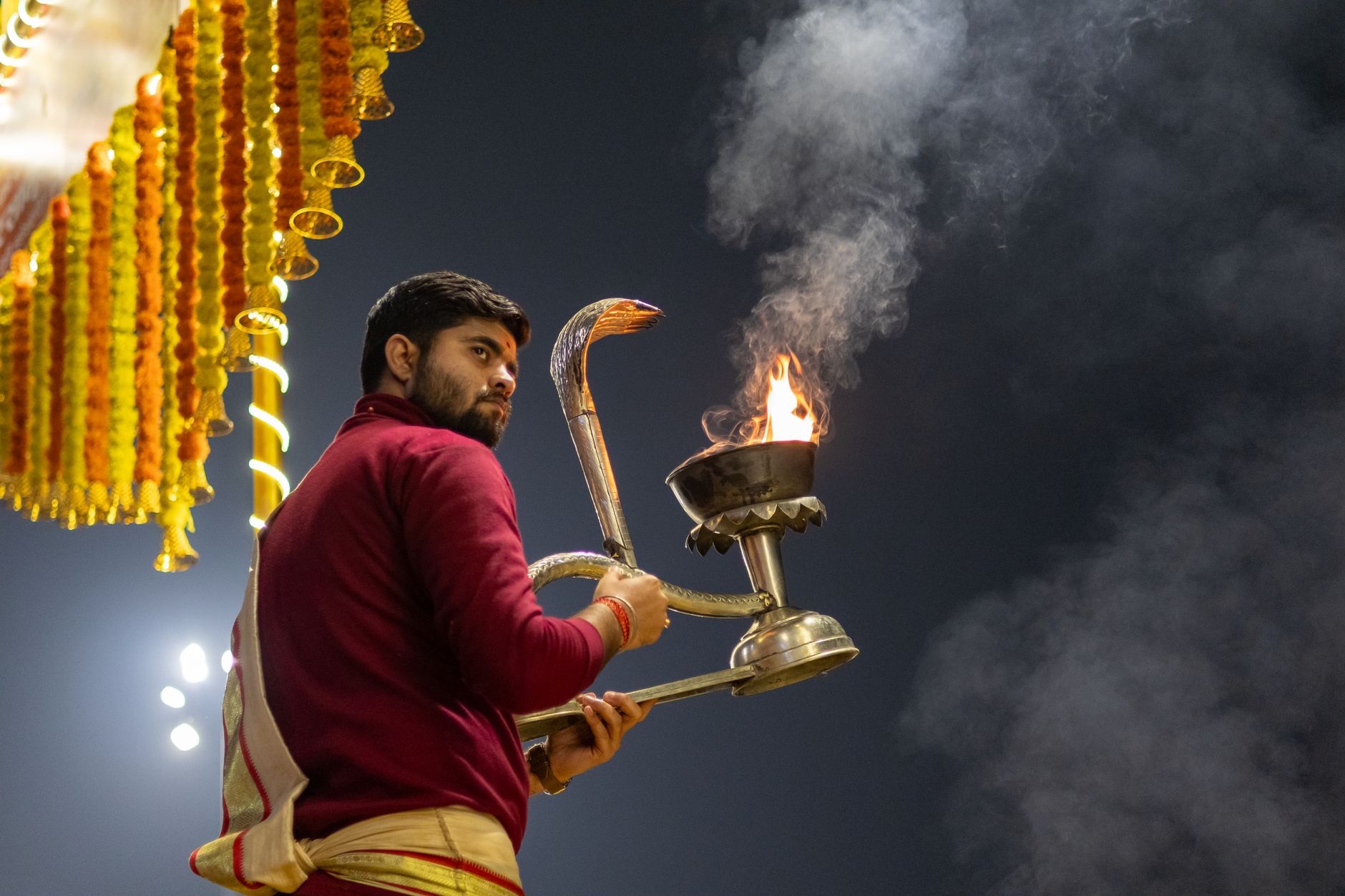
The extra month that rearranged everything
The Hindu calendar is lunisolar: it tracks the moon for months but the sun for the year. A lunar year runs about 11 days short of a solar one, so to stop festivals from drifting through the seasons, an extra lunar month is inserted roughly once every 2.5 to 3 years. That bonus month is called Adhik Maas, also known as Purushottam Maas or Mal Maas.
In 2026 this leap month fell inside Jyeshtha, running from May 17 to June 15 as Adhik Jyeshtha. Tradition treats Adhik Maas as spiritually rich but inauspicious for milestones — no weddings, housewarmings, or new ventures. Instead it is a window for fasting, charity, chanting and pilgrimage.
Crucially, most major festivals are skipped during the Adhik month and observed in the "Nija" (true) Jyeshtha that follows. That single rule is why heavyweights like Nirjala Ekadashi and Vat Purnima slid into late June rather than landing in their usual early-month slots.

Early June: a quieter, low-key first half
Because Adhik Jyeshtha was still running, the first half of the month carries mostly the gentler, vrat-focused observances:
- Ganga Dussehra (around June 8): Celebrating the descent of the river Ganga to earth, devotees take a holy dip and give to charity. The date itself varies by region this year owing to the Adhik Maas alignment, so check your local panchang.
- Padmini Ekadashi (June 11): A special Ekadashi that exists only during Adhik Maas, considered exceptionally meritorious for Vishnu worship.
- Pradosh Vrat (June 12): The twice-monthly evening fast dedicated to Lord Shiva.
- Adhik Maas Amavasya (June 15): The no-moon day that closes the leap month.
The takeaway for early June is simple: this is a period for personal devotion rather than big public celebration, exactly as Purushottam Maas intends.
June 14–16: Odisha swings into Raja Parba
The mid-month highlight belongs to Odisha. Raja Parba (June 14–16) is a vivid three-day festival celebrating womanhood and the earth's fertility ahead of the monsoon. The earth is believed to menstruate and is given rest, so agricultural work pauses.
The three days run as Pahili Raja, Raja Sankranti and Basi Raja, with the middle day coinciding with Mithuna Sankranti on June 15, when the sun enters Gemini. Young women take a break from chores, dress up, ride decorated swings, play traditional games and feast on Poda Pitha, a slow-baked rice-and-jaggery cake. It is one of India's most distinctive celebrations of feminine well-being.
June 21: the world rolls out the mat
Not every June occasion is rooted in the lunar calendar. International Day of Yoga on June 21 — the summer solstice and longest day of the year — is the month's biggest secular event in India. Proposed by India at the United Nations and first marked in 2015, it now anchors mass yoga demonstrations from city parks to the Himalayas, with a fresh government theme each year. It neatly bridges the quiet first half and the festival-packed final week.
Late June: the calendar finally crowds in
From June 25, the true Jyeshtha festivals arrive in quick succession — this is the part of the month worth circling.
- Nirjala Ekadashi (June 25): The single most important Ekadashi of the year. "Nirjala" means without water — devotees fast completely, food and water, for a full day. It is said to carry the merit of all 24 annual Ekadashis combined, which is why it draws even those who skip the others. Gayatri Jayanti, honouring the sacred Gayatri Mantra, is observed the same day.
- Muharram / Ashura (around June 26): The Islamic new year ushers in a period of mourning for the Shia community, commemorating the martyrdom of Imam Hussain at Karbala. It is a gazetted holiday and a bank holiday across much of India.
- Vat Purnima / Jyeshtha Purnima (June 29): On this full-moon day, married women in Maharashtra, Gujarat and parts of South India tie threads around the banyan (vat) tree and pray for their husbands' long life — the western and southern counterpart to North India's Vat Savitri Amavasya.
- Sant Kabir Jayanti (June 29): The birth anniversary of the 15th-century mystic-poet Kabir, whose couplets cut across religious lines, is marked on Jyeshtha Purnima.
- Snana Purnima: The same full moon is the ceremonial bathing day of Lord Jagannath in Puri, the curtain-raiser to the Rath Yatra — though the chariot festival itself rolls out in mid-July 2026, not June.
What this means for weddings and planning
The ripple effect of Adhik Maas goes well beyond temple schedules. Because the leap month bars auspicious beginnings, the wedding muhurat season effectively paused through mid-June and resumed only in the latter half, compressing an already tight 2026 calendar. Couples, caterers and venue owners felt the squeeze.
A few practical pointers for the month:
- Bank holidays vary by state. Muharram closes banks in many cities around June 26, but not everywhere on the same day — confirm locally before scheduling cash errands.
- Fasting smartly. Nirjala Ekadashi in peak summer is demanding; the elderly and unwell are traditionally permitted a relaxed ("jalahar") version.
- Dates can shift a day either way. Tithis are set by precise sunrise timings, so a festival may show as June 25 in one panchang and June 26 in another. When in doubt, follow the calendar your family or temple uses.
Why the rhythm matters
June 2026 is a small masterclass in how India keeps time. A 5,000-year-old reconciliation between sun and moon meant that an invisible "thirteenth month" decided when you could marry, when the banyan threads would be tied, and when the strictest fast of the year would fall.
Far from being a glitch, the Adhik Maas is the very mechanism that keeps Diwali in autumn and Holi in spring, generation after generation. So if June felt unusually still before erupting into festivity in its final week, that was the calendar doing precisely what it was designed to do — and the second half of the month more than made up for the wait.