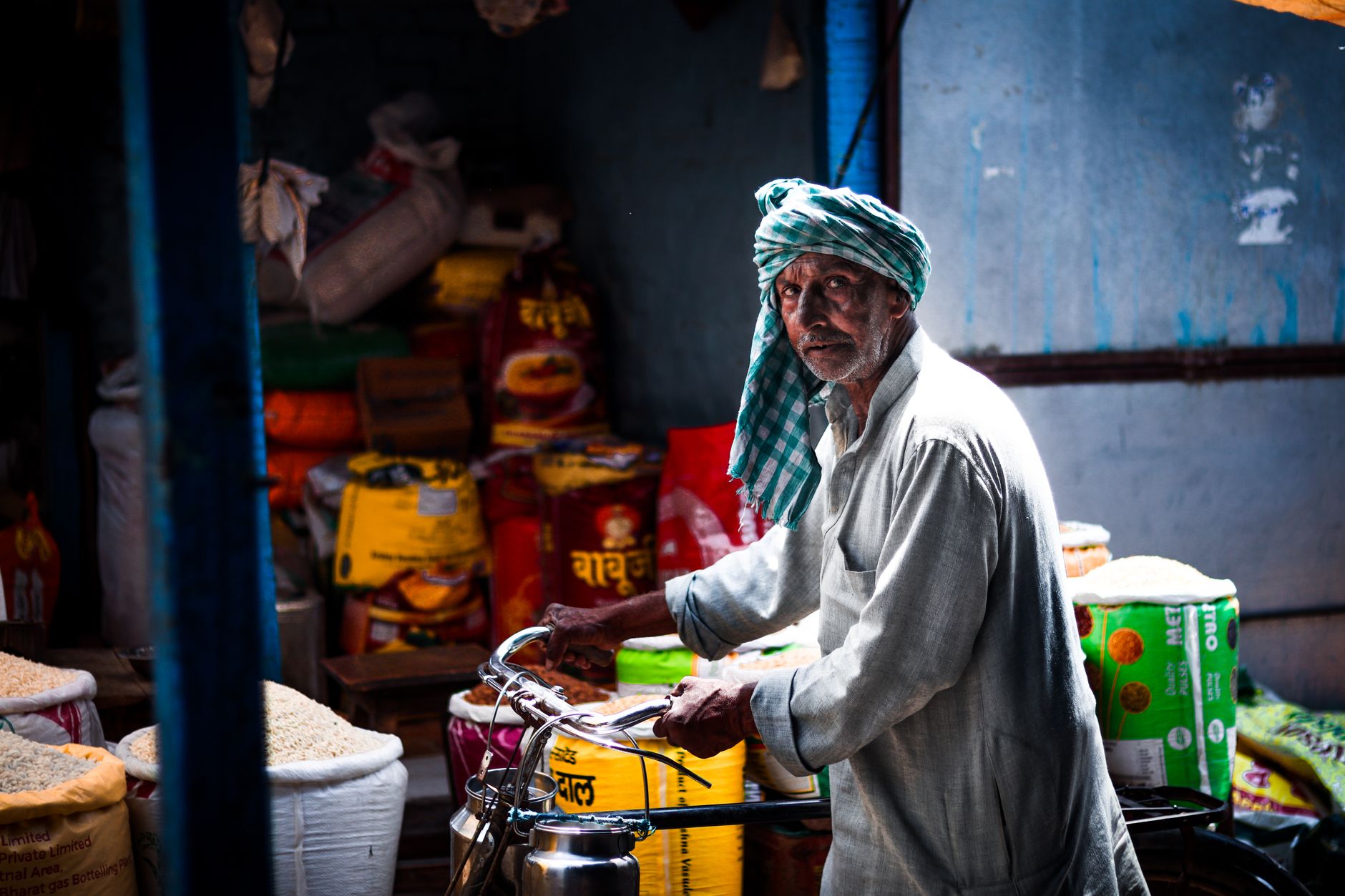
Photo: CP Khanal / Pexels
SIR Electoral Rolls: How to Avoid Getting Deleted in 2026
If a government official knocks on your door this year and hands you a form about your vote, do not toss it aside. The Special Intensive Revision (SIR) of electoral rolls is the biggest churn of India's voter list in over two decades, and in 2026 it is rolling through state after state. Unlike the routine annual update, SIR is a ground-up rebuild — every existing voter has to be re-verified, and anyone who slips through the cracks can quietly vanish from the list before the next election.
The stakes are simple: a name dropped from the roll is a vote that cannot be cast. This guide breaks down what SIR actually is, what the enumeration form does, and the practical steps to make sure you are not the person standing outside a polling booth on voting day with no name to find.

SIR electoral rolls: what's actually happening in 2026
SIR began as a pilot in Bihar in 2025 and has since gone national in waves. Phase 2 covered 12 states and union territories — including Uttar Pradesh, West Bengal, Tamil Nadu, Kerala, Gujarat, Rajasthan and Madhya Pradesh — with final rolls published in early February 2026. In May 2026, the Election Commission announced Phase 3 across 16 states and 3 union territories, sweeping in Karnataka, Maharashtra, Andhra Pradesh, Telangana, Odisha, Punjab, Haryana, Jharkhand, Delhi and the north-eastern states, among others. Together the phases touch hundreds of millions of voters.
The legal cloud has also cleared. In late May 2026, the Supreme Court upheld the constitutional validity of the exercise, confirming the Commission's power to intensively revise the rolls. That means SIR is here to stay — and the responsibility to stay on the list now sits squarely with you.
What makes SIR different is the default. In a normal revision, you are on the roll until something removes you. In an intensive revision, in effect you must re-earn your place. No verification, no entry.
The one form that decides everything
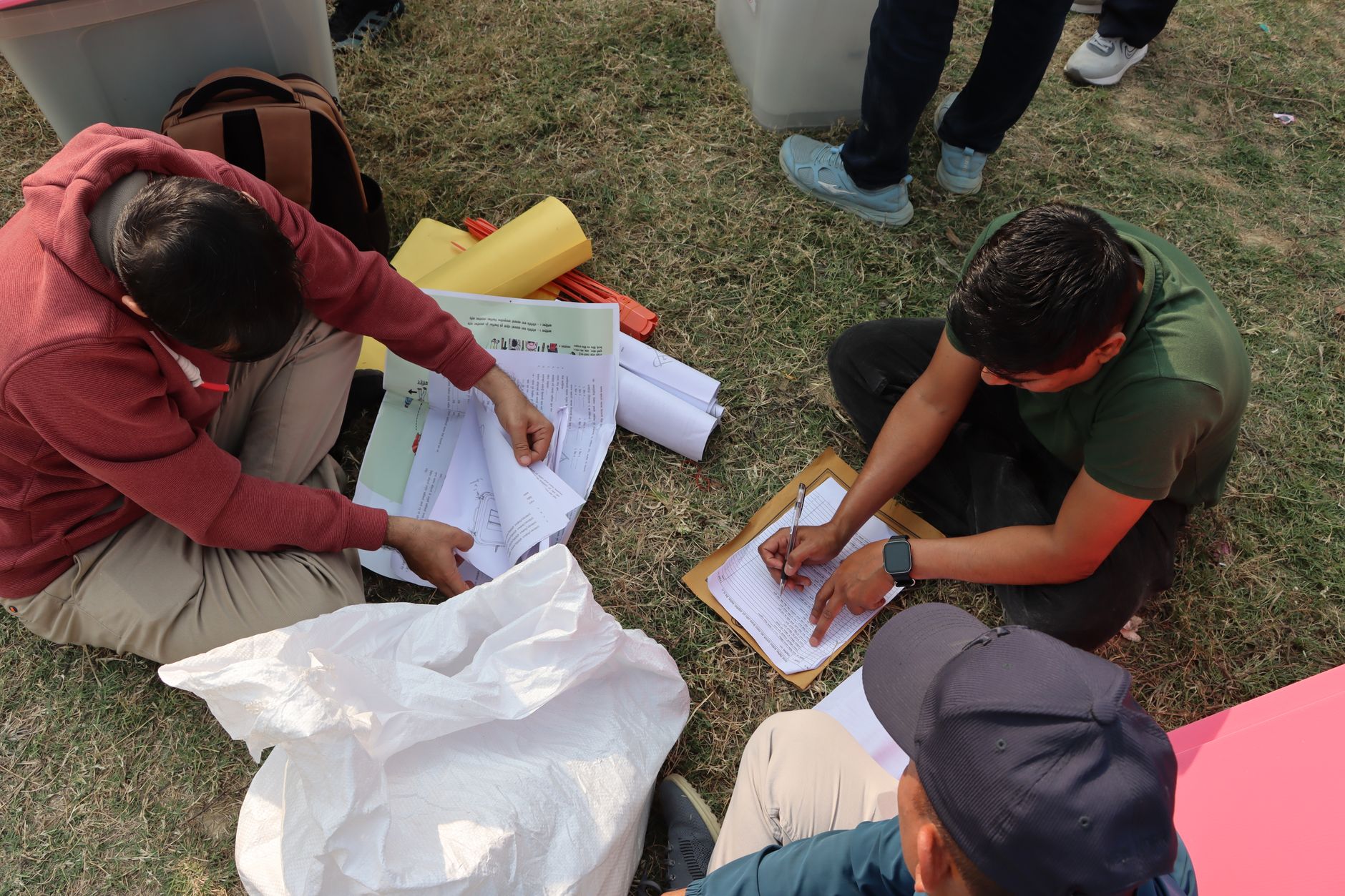
The heart of SIR is the enumeration form. A Booth Level Officer (BLO) — the field-level election official for your polling area — visits your home and hands you a pre-filled form carrying your existing details from the current voter list. Your job is to check it, correct it, sign it and hand it back within the window.
This form is not a formality. It is the document that links your current Voter ID to the Commission's records and confirms you are a real, resident, eligible voter. If the BLO cannot reach you and the form is never submitted, your name becomes a candidate for deletion when the draft roll is prepared.
Three things to get right on the form:
- Verify, don't assume. Check the spelling of your name, your relative's name, age and address. Small errors here are exactly what gets flagged later.
- Submit it back. A form left lying at home does nothing. It must return to the BLO, online or on paper, within the stated dates.
- Keep proof. Note the acknowledgement or reference number when you submit, so you can track your status.
The 2002–2005 'legacy roll' link, and why it matters
Here is the part that trips people up. The Commission anchors SIR to an older, trusted voter list — commonly the rolls from around 2002 to 2005, depending on the state. This is called the legacy roll or legacy data.
The logic is straightforward. If your name appears in that old list, or if a parent or close relative appears in it, you can be linked to an already-verified entry — and you typically do not need to submit any additional citizenship or birth documents. The enumeration form, with that link noted, is enough.
So before the BLO arrives, it pays to find out whether you or your parents were on the roll in the early 2000s. Many state Chief Electoral Officer (CEO) websites have made these old rolls searchable. If you find the entry, note the details — name as spelled then, relation, and the part or serial number. That single link can spare you a paperwork scramble.
Documents: the 11, plus Aadhaar — and what it can't prove
If you have no legacy-roll link, you fall back on documents. SIR began with a list of 11 specified documents that can establish eligibility — covering things like birth certificates, passports, government-issued identity and service records, educational certificates and certain land or residence papers.
After a Supreme Court direction, Aadhaar was added as an accepted document. But read the fine print: officials treat Aadhaar as proof of identity, not as standalone proof of citizenship or place of residence. It strengthens your case; it does not automatically settle it.
The safe approach is to assemble more than one document type — for example, an identity proof plus something that ties you to your address or to a relative already on the roll. If you are young and only recently eligible, your parents' documents and roll entry are often the cleanest path to verification.
A step-by-step checklist to avoid deletion
Treat this like a deadline you cannot miss, because it effectively is one:
- Find out your state's status. Check whether your state is in the current SIR phase and note the BLO visit dates and the qualifying date (these vary by state, with cut-offs such as July 1 or October 1, 2026).
- Confirm you're on the current roll. Search your name on the Commission's voter portal or your state CEO site so you know your starting point.
- Hunt for your legacy-roll entry. Look for yourself or a parent in the 2002–2005 list and save the reference.
- Be reachable for the BLO. If you live away from your registered address, arrange for a family member to receive and submit your form, or use the online route.
- Fill, verify and submit the enumeration form — with the legacy link or documents attached — within the window, and keep the acknowledgement.
- Check the draft roll when it is published, and act fast if your name is missing or wrong.
Draft roll, claims and objections: your second chance
Missing your form is serious, but it is not the end. After enumeration, the Commission publishes a draft electoral roll and opens a claims and objections window — typically about a month long. This is your formal second chance.
If your name is dropped or your details are wrong, file the appropriate form (a fresh inclusion uses Form 6) with supporting documents before the cut-off. You can also object to wrongful entries. Only after this window closes is the final roll published — and that is the list that decides who votes.
The mistake to avoid is assuming someone else will fix it. Under SIR, the burden of staying enrolled has shifted to the citizen, so check the draft roll yourself the moment it is out.
What comes next, and the bigger fight
SIR has become one of the most politically charged exercises in recent memory. Opposition parties have alleged that intensive revision risks deleting genuine voters, especially the poor, migrants and those without thick paper trails, while the Election Commission argues it is cleaning duplicate, dead and shifted entries to make the roll accurate. The Supreme Court's green light settled the legality but not the politics.
For an individual voter, though, the noise is a distraction from one quiet truth: the system now assumes nothing about you until you confirm it. The people who keep their vote will be the ones who treated the BLO's visit, the enumeration form and the draft-roll check as non-negotiable. Five minutes of attention now is the cheapest insurance you can buy on your own franchise.