
Photo: Obregonia D. Toretto / Pexels
Table Profit: How Films Get Paid Before You Buy a Ticket
Picture a producer who has just wrapped a ₹100 crore film. Before the trailer even drops, before a single advance ticket sells, the accountant has already pencilled the project into the black. That is not a fantasy. It is the everyday reality of table profit — the money a film books on the negotiating table long before audiences decide its fate.
Understanding table profit changes how you read every box-office headline. The phrase "recovered its budget on day one" rarely means tickets did the work. It usually means the producer pre-sold the film's non-theatrical rights, and those cheques cleared the cost before release. Here is how the system actually pays out, and why a flop can still leave the maker smiling.

The four cheques that arrive before the film does
A modern film is not one product. It is a bundle of rights, each sold separately to a different buyer. Four of them matter most.
- Satellite rights: the right to broadcast the film on television, bought by networks like Star, Zee, Sony or Sun.
- Digital rights: the right to stream it, bought by OTT platforms such as Netflix, Prime Video, JioHotstar, or regional services like Aha and Sun NXT.
- Music or audio rights: the songs and background score, licensed to labels like T-Series, Saregama or Sony Music.
- Overseas rights: the right to release the film in foreign territories, sold to overseas distributors.
Add theatrical distribution for India, in-cinema advertising, and the occasional brand integration, and you have six or seven income streams. The trick is that most of these are sold in advance, often before shooting wraps. Sum them up, and a producer can know the film's floor earnings before the public sees a frame.
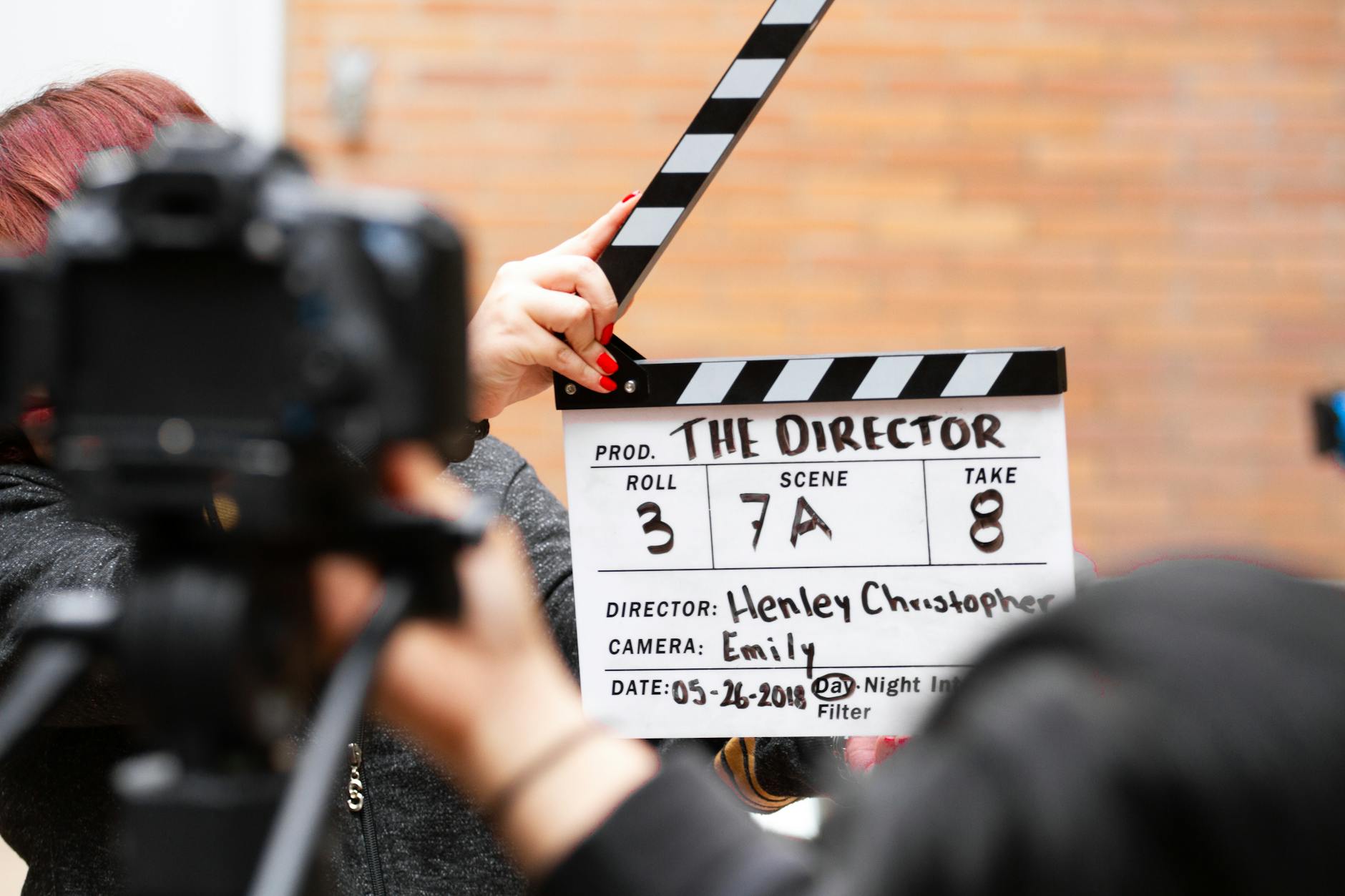
What table profit really means
Table profit is simple arithmetic. Take everything the producer earns from pre-sold rights and fixed deals. Subtract the cost of making the film, including the stars' fees, technical budget, and marketing the producer has agreed to fund. If the first number is bigger, the difference is profit booked at the table.
Say a film costs ₹80 crore. The producer sells digital rights for ₹45 crore, satellite for ₹15 crore, music for ₹8 crore, and overseas for ₹20 crore. That is ₹88 crore in hand against an ₹80 crore cost. The film is ₹8 crore in profit before release — and the box office hasn't opened yet.
This is why you sometimes read that a film is "a hit before it hits theatres." It is not hype. It is the producer's books being genuinely settled by pre-sales.
The minimum guarantee that shifts the risk
The quiet hero of this model is the minimum guarantee, or MG. When a streaming platform or broadcaster buys a film's rights, it usually pays a fixed sum upfront rather than a share of viewership. That fixed sum is the minimum guarantee.
For the producer, an MG is gold. It converts an uncertain future into cash today. The platform takes the gamble on whether audiences will actually watch; the producer has already been paid. This is the single biggest reason the Indian film business has drifted from a box-office economy to a rights economy over the past decade.
The size of that MG depends heavily on the lead actor and the genre. A film fronted by a top-tier star commands a far larger digital cheque than the same script with a newcomer, because platforms price the rights on the star's pulling power, not the film's quality. That is also why some star vehicles get greenlit on budgets the box office can never justify.
Who eats the loss when the film flops
If the producer is protected, someone else is exposed. That someone is usually the distributor.
Distributors buy theatrical rights for a territory, often paying the producer a minimum guarantee of their own, then collect ticket revenue and hope it exceeds what they paid. When a film bombs, the empty seats hurt the distributor and the exhibitor, not necessarily the producer who already banked the satellite and digital money.
This split explains the strange spectacle of a film being called a disaster in the press while trade circles say the producer is "safe." Both can be true at once. The losses simply land on a different desk. It is also why distributors have grown cautious, demanding revenue-sharing deals instead of fixed guarantees so the pain is shared rather than dumped entirely on them.
The 2025-26 shake-up: satellite rights have cratered
For years, the television premiere was a reliable payday. Families waited for the World TV Premiere weeks after release, and channels paid handsomely for that audience. That model is breaking.
As viewers shifted to streaming, the value of a TV broadcast collapsed — satellite valuations for many films have fallen by an enormous margin, in some cases a fraction of what they fetched a few years ago. Why wait for a censored TV cut when the film is already on your phone, uncut, weeks earlier?
The industry's response has been bundling. Instead of selling satellite and digital separately, producers increasingly sell them together in one negotiation, often to a buyer that owns both a channel and a streaming service. For small and mid-budget films that can no longer find a standalone TV buyer, bundling is the difference between recovering costs and being stuck. The era of the fat, independent satellite cheque is fading fast.
How to read a box-office story like an insider
Once you know about table profit, the trade chatter starts to make sense. A few rules of thumb:
- "Recovered before release" almost always means pre-sales, not tickets.
- A big digital deal signals a big star, since platforms price rights on star power.
- "Hit for the producer, loss for distributors" is a real and common outcome, not a contradiction.
- A film with no announced OTT deal may be struggling to find a buyer, which is itself a warning sign.
- Box-office "records" measure gross collections, a separate game from whether the maker actually profited.
The takeaway for a curious viewer is liberating. The number that flashes on screen — ₹100 crore weekend, ₹500 crore lifetime — is real, but it is only one chapter of the money story. The decisive chapter was written quietly, months earlier, around a table, when the rights were sold and the risk was handed off. By the time you buy your ticket, the most important deals of the film's life are already done.