
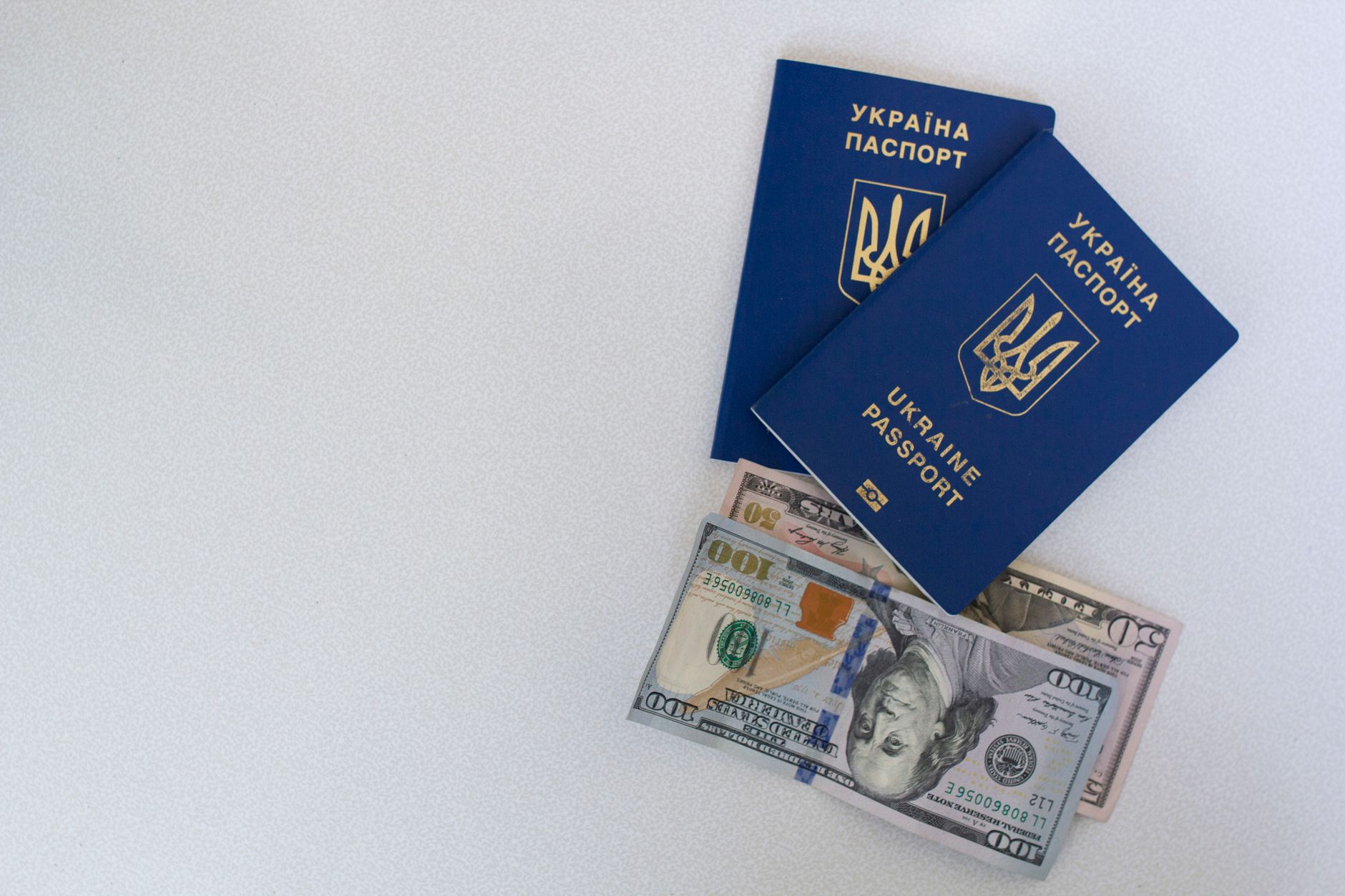
Photo: Borys Zaitsev / Pexels
TCS on Sending Money Abroad: The New ₹10 Lakh Rule
If you have wired tuition to a foreign university, booked an overseas holiday or sent a gift to family abroad, you have run into a line on the bank form that quietly skims a percentage off the top. That is TCS on foreign remittance under the Liberalised Remittance Scheme, and the rules changed meaningfully in 2025. The good news for most people: the bar before any tax is collected is now higher, and students with a loan are largely off the hook.
Here is how the system actually works, who pays what, and the part most people miss — how to get the money back.
What the LRS is, and why TCS rides on it
The Liberalised Remittance Scheme (LRS) is the RBI window that lets a resident Indian send up to USD 250,000 a year out of the country for permitted reasons — education, travel, medical care, gifts, buying shares or property overseas, and so on. It is what makes a foreign university payment or an overseas family transfer legal in the first place.
Layered on top is Tax Collected at Source (TCS) under Section 206C(1G) of the Income-tax Act. The bank or remittance company collects a slice at the moment you transfer and deposits it against your PAN. Crucially, it is not a fee or a penalty. It is your own tax, paid in advance — a way for the government to keep tabs on big outward flows and make sure the money is reconciled at filing time.
The ₹10 lakh threshold that changed in 2025
The headline change took effect on 1 April 2025: the threshold below which no TCS applies rose from ₹7 lakh to ₹10 lakh per financial year. That ₹10 lakh is cumulative across all your LRS transfers in the year, not per transaction.
So if your total foreign remittances stay under ₹10 lakh in a financial year, most purposes attract zero TCS. The percentage only bites on the amount above that line, not on the whole sum. Send ₹12 lakh for a non-education purpose and the tax is calculated on the ₹2 lakh excess, not the full ₹12 lakh.
That single change takes a lot of ordinary remitters — parents sending modest sums, people supporting relatives, small overseas purchases — out of the TCS net entirely.
The slabs: what rate applies to what
The rate depends entirely on why you are sending money. This is where people overpay, because they assume one flat number. The structure, above the ₹10 lakh threshold, runs roughly like this:
- Education via a loan: 0%. If the remittance is funded by an education loan from a recognised financial institution as defined under Section 80E, no TCS applies at all, whatever the amount.
- Education, self-funded: 2% on the portion above ₹10 lakh.
- Medical treatment abroad: 2% on the portion above ₹10 lakh.
- Overseas tour packages: a flat 2% with no threshold — the tax applies from the first rupee. Tour packages are treated differently, so do not assume the ₹10 lakh threshold shields them the way it does other categories.
- Everything else — gifts, maintenance of relatives, investment in foreign shares or property, and general transfers: 20% on the amount above ₹10 lakh.
The gap between 2% and 20% is large, which is why the purpose code you and your bank select matters. A transfer mislabelled as a general remittance instead of education can cost ten times as much upfront.
The credit card loophole, and the cards that don't escape
There is a meaningful carve-out worth knowing. International credit card spends are currently kept outside the LRS, which means swiping a credit card on a foreign trip or for an overseas online purchase does not attract TCS. An attempt to pull credit cards into the LRS net was shelved after pushback, and the exemption has held.
Debit cards and prepaid forex cards are a different story — those loads and spends count towards your LRS limit and can trigger TCS once you cross ₹10 lakh. For frequent travellers, this distinction quietly shapes which plastic to carry.
How to get your TCS back — the step most people skip
This is the part that turns a painful deduction into a non-event. Because TCS is advance tax credited to your PAN, you do not lose it. You have two routes to recover it:
- Adjust it against your salary TDS. Salaried employees can inform their employer of TCS already paid, and the employer can factor it into the monthly tax deducted from your salary — so you do not feel the pinch twice in the same year. This is done through the prescribed declaration to your employer.
- Claim it in your income tax return. The collected amount appears in your Form 26AS and Annual Information Statement (AIS). When you file your ITR, it is set off against your total tax liability. If you have paid more than you owe, the excess comes back as a refund.
A few practical habits help. Keep every remittance receipt and the bank's TCS certificate. Check that your PAN is correctly recorded on each transfer, or the credit may not reflect. And before filing, reconcile the TCS figure in your AIS against your own records — mismatches are common and easy to fix early.
What this means if you are sending money abroad
For families funding education, the message is simple: a loan-funded transfer carries no TCS, and even self-funded education only attracts 2% above ₹10 lakh. For travellers and investors, the 20% rate on large general remittances is the one to plan around — time large transfers thoughtfully, and remember that the cash is recoverable, not gone.
The broader shift is that the ₹10 lakh threshold has made TCS irrelevant for the average remitter while keeping the spotlight on big outward flows. Treat it as a cash-flow timing question, not a tax cost, select the right purpose code, and reclaim what is collected when you file. Done right, the line on the bank form stops being a leak and becomes a number you simply true up once a year.


