Photo: Simran Dhillon Designs / Pexels
2026 Wedding Lehenga Trends: Lighter, Pastel, Wear-Again
If you are getting married in 2026 — or have a calendar already crowded with other people's weddings — the lehenga rulebook has quietly been rewritten. The biggest 2026 wedding lehenga trends are not about more sparkle or more weight. They are about colour beyond crimson, fabric you can actually move in, and an outfit designed to be worn more than once. The 10-kilo bridal lehenga that pins you to a sofa for the entire reception is, mercifully, on its way out.
This shift is being driven by a generation of brides who plan the playlist before the jewellery, who travel for destination ceremonies, and who treat the wedding wardrobe as an investment rather than a single-use costume. Designers from the top studios to neighbourhood boutiques are responding. Here is what is genuinely changing, why it matters, and how to read the trends without getting swept up in marketing.

Red Is No Longer The Default
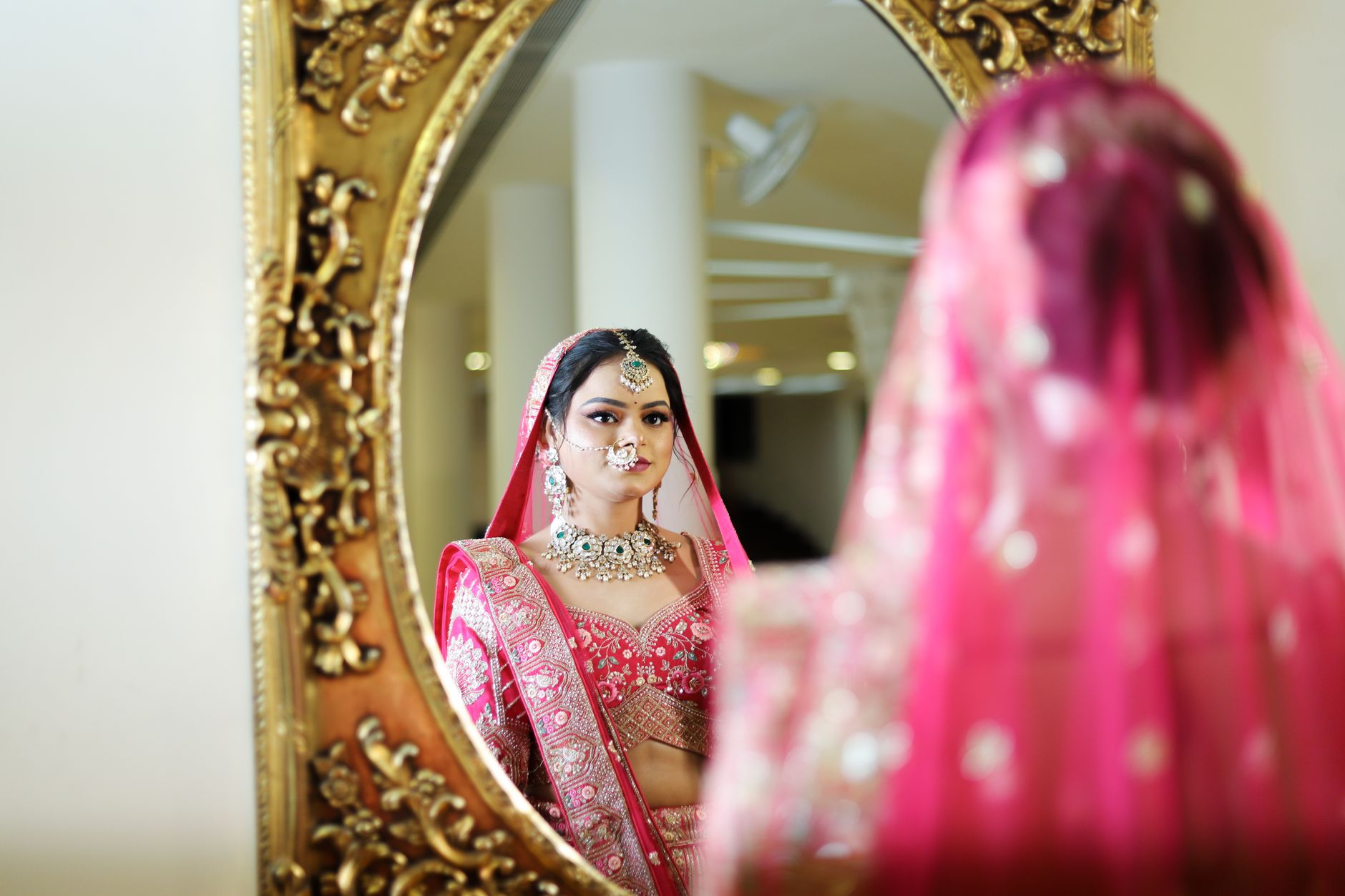
For decades, bridal red was less a choice than an assumption. In 2026 that grip has loosened. The leading bridal palette now runs through oxblood, ivory, dusty pink, emerald and old rose — deeper, moodier, more grown-up than the postcard crimson of the past.
Pink in particular has surged, moving from "second outfit" status to a legitimate main-ceremony colour. Brides who want tradition without the obvious are reaching for old rose and wine tones that photograph richly under warm light. The message is simple: red still belongs, but it now shares the rack.
- Oxblood and wine — the heritage replacement for bright red, regal but understated.
- Ivory and champagne — favoured for day weddings and Christian-Indian fusion ceremonies.
- Dusty pink and old rose — romantic without tipping into pastel.
- Emerald and bottle green — the jewel tone of the season for evening functions.
Pistachio And Pastels Own The Pre-Wedding
The other half of the colour story is happening at the mehendi and sangeet, where soft shades have taken over. Pistachio and sage green are widely tipped as the breakout bridal colour of 2026, alongside lavender, mint and blush.
These tones flatter a wide range of skin tones, read beautifully in daylight and on camera, and suit the open-air, daytime mood of destination and beach weddings. A bride might now keep a deep oxblood for the wedding itself and float through her sangeet in a pale, airy pastel — a deliberate contrast rather than a compromise.
For guests, the same palette is a gift. Pastels are the safest, most flattering pick for daytime functions, while jewel tones — sapphire, emerald, ruby — carry an evening reception.
The Featherlight Lehenga Is The Real Headline
If there is one defining idea this year, it is weight. Brides want to move. The era of the impossibly heavy lehenga, where the skirt alone could anchor a small tent, is ending.
The fabric swing tells the story. Stiff, heavy velvet and raw silk are giving way to organza, tissue, net and handloom silks that drape and float. Manish Malhotra's 2026 line, by several accounts, dropped its average lehenga weight by roughly 30 percent versus 2022 — a striking number for a designer long associated with grandeur.
Why it matters: a lighter lehenga is not just comfort, it is choreography. It lets a bride dance at her own sangeet, sit through a long pheras ceremony, and last a full night of photographs without a costume change forced by sheer exhaustion. Heavy velvet still has its place at a grand winter wedding, but it is now a considered choice, not the unquestioned norm.
The Blouse Becomes The Hero
For years the lehenga choli conversation was all about the skirt. In 2026 the spotlight has shifted upward. The blouse is now the design centrepiece, engineered like a couture bodice rather than a strip of matching fabric.
Think corset-style construction, sculptural shoulders, sheer sleeves carrying the hand-embroidery, and reinvented back designs that become the outfit's signature. Reportedly close to 30 percent of brides in 2026 are choosing a crop-top or corset blouse for at least one function — most often the sangeet or reception, where movement and modern silhouette matter most.
This is also where craft is concentrating. Instead of dense machine sparkle spread across the whole outfit, designers are pouring hand embroidery into a smaller, high-impact canvas: the bodice. The result feels more personal and, paradoxically, more luxurious.
Handloom And The Quiet Craft Revival
Underneath the colour and silhouette stories runs a deeper, more meaningful shift: a return to handloom and traceable craft. Designers are weaving in organic Chanderi, handloom silks and naturally pigmented fabrics, and working directly with artisan clusters — Banarasi weavers, Punjab's Phulkari embroiderers, Kanjeevaram looms.
The appeal is twofold. It keeps endangered weaving traditions alive, and it gives a bride something genuinely unique rather than a design replicated a thousand times online. Handmade embroidery is increasingly valued over machine-produced shimmer, a small rebellion against the fast-fashion flood of look-alike lehengas.
There is a practical upside too. A well-made handloom or organza lehenga, lighter and less fussy, is far easier to re-style and wear again — the skirt paired with a plain blouse, or the dupatta repurposed entirely. In a cost-of-living-conscious era, "wear-again" is quietly becoming a selling point, not a downgrade.
Grooms Get Their Own Glow-Up
The restraint sweeping bridal wear is mirrored on the other side of the mandap. Men's ethnic wear in 2026 is being described as a season of quiet luxury — architectural tailoring over bulk, tonal detail over dense ornament.
The sherwani stays central but slimmer, with streamlined cuts that prize fit and proportion. The structured bandhgala jacket has made a confident return, cut in jacquard, velvet and silk blends with minimal finishing. And the colour memo is shared: grooms are stepping into powder blue, sage, dusty lavender, champagne and soft grey rather than defaulting to black or gold.
For cocktail and sangeet nights, Indo-Western sets — layered kurtas, asymmetric jackets, tailored trousers — remain the go-to for grooms who want a contemporary edge without abandoning tradition.
How To Use These Trends Without Losing Yourself
Trends are a menu, not a mandate. A few grounding principles for the 2026 season:
- Match the fabric to the function. Organza and tissue for daytime and dancing; reserve heavier silk or velvet for a formal evening reception.
- Pick one hero element. Let either the blouse, the colour or the embroidery lead — chasing all three at once reads as cluttered.
- Think about the second wear. A lighter, simpler skirt or a versatile blouse will earn its cost many times over.
- Buy the craft, not the logo. A traceable handloom piece often outlasts and out-charms a heavily marketed one.
The throughline of every 2026 wedding lehenga trend — colour, weight, blouse, craft — points the same way: towards clothes made to be lived in, not just looked at. For a generation that wants to dance until the band packs up and wear the outfit again next season, that may be the most flattering trend of all.