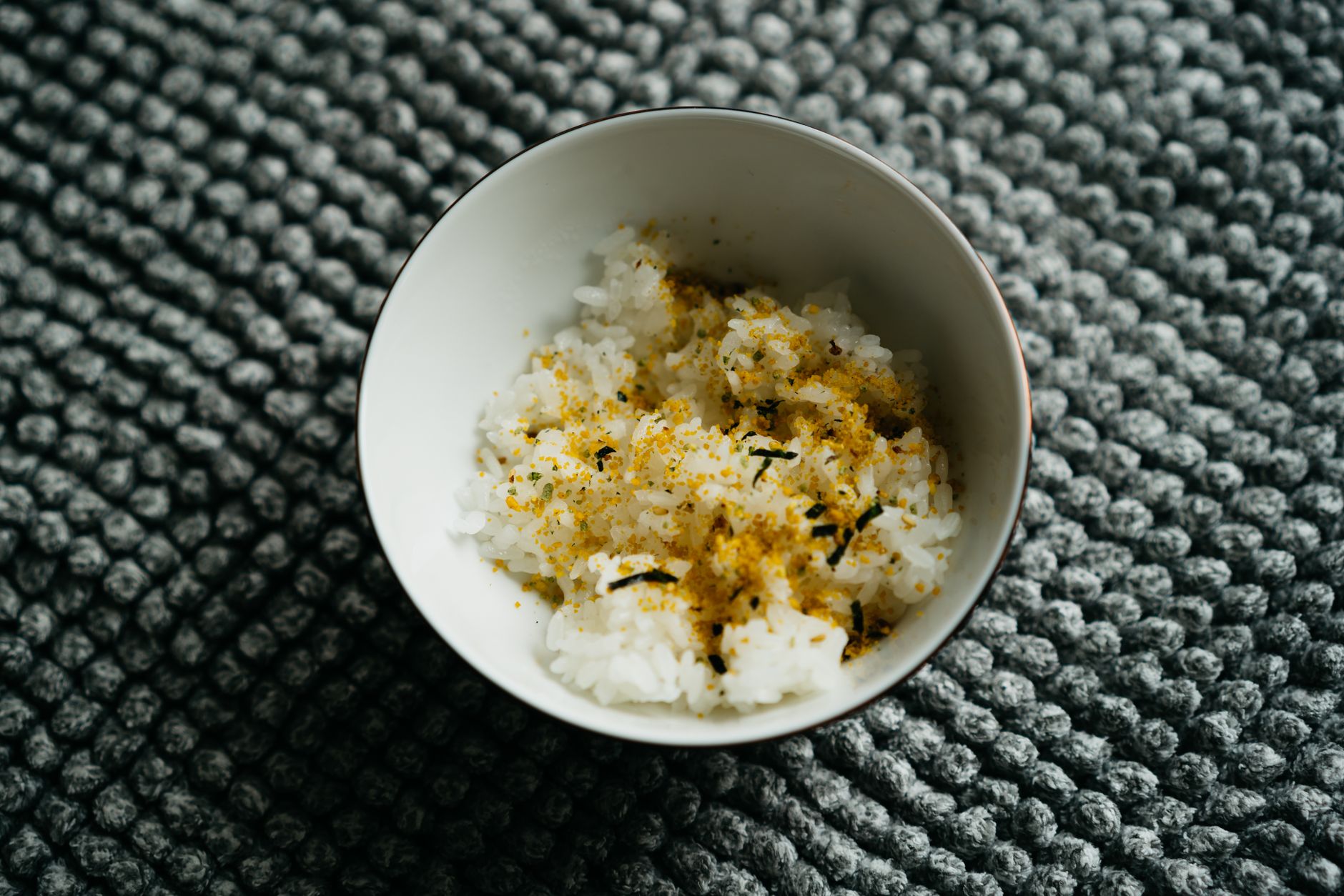
Photo: Markus Winkler / Pexels
Leftover Rice Can Make You Sick: The Fried Rice Syndrome Trap
Most of us have done it: a big pot of rice on Sunday, a few helpings eaten, and the rest left covered on the counter to be fried up the next morning. It feels harmless. Yet that cooling pot is exactly where a quiet form of food poisoning takes hold, the one British tabloids nicknamed "fried rice syndrome." The surprising part is that the microwave you blame is rarely the problem. The trouble starts long before you reheat anything.
This matters in Indian kitchens more than most, because rice, pulao, biryani and even fermented idli-dosa batter are routinely cooked in bulk, left out in warm weather, and finished over a day or two. Understanding what actually goes wrong lets you keep all of that without rolling the dice on a ruined stomach.
The bug behind the bad night
The organism responsible is Bacillus cereus, a soil bacterium that hitches a ride on uncooked rice grains. It is everywhere in the environment, which is why washing or buying premium rice does not get rid of it. What makes it stubborn is its survival strategy: when conditions turn hostile, it forms tough spores.
Those spores shrug off boiling. You can cook rice to a perfect fluff, hit it with a full rolling boil, and the spores sail through unharmed. As long as the rice stays piping hot, nothing happens. The clock only starts when the rice begins to cool.
As cooked rice drifts down into the warm range between roughly 5°C and 60°C — what food safety people call the danger zone — the spores wake up, germinate into active bacteria, and multiply. Some strains then release a toxin called cereulide right there in the grains.

Why reheating doesn't save you
Here is the cruel twist that catches careful cooks out. Cereulide is heat-stable. It tolerates temperatures well above boiling, so when you fire up the wok or the microwave the next day, you comfortably kill the live bacteria but leave the toxin sitting in the food, fully intact.
That is the whole misconception in one line: reheating rice is not the dangerous act. Leaving cooked rice to sit at room temperature for hours is. By the time you reheat, the damage may already be locked in, and no amount of extra heat can undo it.
Think of cereulide as a chemical that the bacteria left behind, not a living thing you can cook to death. This is also why the food can look, smell and taste completely normal. There is no sour whiff, no slime, no warning sign on the plate.
What it feels like, and how fast
Bacillus cereus causes two different illnesses, and rice is tied to the faster, nastier one.
- The vomiting (emetic) type: caused by the preformed cereulide toxin. Symptoms — nausea and vomiting, sometimes cramps — usually begin within 1 to 5 hours of eating. This is the classic reheated-rice reaction.
- The diarrhoeal type: caused by toxins the bacteria produce inside your gut. It is slower, typically 8 to 16 hours later, and more associated with meats, sauces and dairy.
For most healthy adults, the episode is short and self-limiting, clearing in about 24 hours. It is genuinely unpleasant, though, and it can be serious for young children, older people, pregnant women and anyone with a weak immune system. Severe dehydration is the real risk, so the priority during an attack is sipping fluids and rest, and seeing a doctor if vomiting won't stop or there are signs of dehydration.
One thing worth saying plainly: it is almost never "that one bad restaurant." Buffet-style fried rice gets blamed because it sits warm for ages, but a home pot left out overnight is the same trap.
The fix is timing, not temperature
Because the toxin can't be cooked away later, the entire defence is about not giving the bacteria time and warmth to make it in the first place. The rule of thumb is simple: get cooked rice out of the danger zone fast.
- Cool it quickly. Spread leftover rice into a wide, shallow dish instead of leaving it heaped in a deep pot, where the centre stays warm for hours. More surface area means faster cooling.
- Refrigerate within an hour. The common food-safety guidance is to chill cooked rice as soon as it stops steaming, ideally inside one hour and certainly within two. In an Indian summer kitchen, sooner is better.
- Don't leave it out overnight. This is the single biggest cause. Rice left on the counter from dinner to breakfast has spent eight-plus hours in the perfect breeding zone.
- Reheat once, and reheat thoroughly. Take it out, heat it until it is steaming hot all the way through, and eat it. Repeated cycles of cooling and reheating give the bug more chances.
- Eat it within a day. Treat refrigerated cooked rice as a one-day food rather than something to nibble across the week.
A quick note on freezing and packing: if you batch-cook, portion the rice and freeze it once cooled, rather than parking a giant container in the fridge. And the tiffin box left in a hot bag till lunch counts as room temperature — pack it cold from the fridge or keep it genuinely insulated.
It isn't only plain rice
The label "fried rice syndrome" is a bit misleading, because the same logic covers a long list of staples. Anything starchy and cooked in advance can carry Bacillus cereus spores and follow the same cool-slowly, toxin-forming path.
That means biryani, pulao, lemon rice, curd rice made and left out, cooked pasta and noodles, and even idli and dosa batter that ferments and then sits warm too long all deserve the same respect. Curd rice and tempered rice dishes are especially easy to leave standing on a counter during long lunches.
The practical takeaway is to stop thinking of this as a rice-only quirk and start thinking of cooked starches as a category that needs prompt chilling. Sauces, gravies and cooked vegetables benefit from the same habit, even if rice is the headline offender.
What this changes in your kitchen
None of this means you should fear leftovers or throw out yesterday's biryani on principle. Properly cooled and stored rice that you reheat thoroughly the next day is perfectly fine, and millions of meals prove it daily. The behaviour worth dropping is the comfortable one: the pot left out to cool "for a while" that quietly becomes hours.
So build two small habits. Cool cooked rice fast and refrigerate it within an hour, and when in doubt about how long something has been sitting out, let it go. A pot of rice is cheap. A night spent over the toilet, or a dehydrated child, is not.
The science here is oddly empowering once it clicks. You are not fighting an invisible enemy you can't control — you are simply denying a common bacterium the warm, idle hours it needs. Win the timing, and the reheated plate takes care of itself.