Photo: Wendy Wei / Pexels
Banana Ball: The Baseball Circus Selling Out NFL Stadiums
Picture a packed football stadium, 100,000 people on their feet, watching a pitcher throw a strike while standing on stilts. The batter who connects might sprint the bases while the entire defence dances. This is Banana Ball, and in the summer of 2026 it has become one of the strangest success stories in American sport — an exhibition version of baseball that keeps outdrawing the real thing.
The game is the brainchild of the Savannah Bananas, a team out of Savannah, Georgia, that started life as a humble collegiate summer-league outfit. Frustrated that traditional baseball felt slow and stuffy, the Bananas tore up the rulebook and rebuilt the sport around a single idea: every second on the field should be fun to watch. The result has snowballed into a touring phenomenon that sells out NFL venues months in advance.

What Banana Ball actually is
Banana Ball is recognisably baseball — bat, ball, bases, nine players — but almost every dead moment has been engineered out of it. The format runs on roughly a dozen core rules, and each one exists to keep the action moving and the crowd involved.
The headline change is how you win. Instead of counting total runs, teams play for points. Whoever scores the most runs in an inning takes one point for that inning, no matter whether they won it by one run or seven. The exception comes in the final inning, where every run is worth a point, which keeps late comebacks alive and the ending tense.
The rest of the rules read like a list of complaints about ordinary baseball, each one solved:
- A two-hour clock. No new inning may start after 120 minutes, so games never drag.
- No walks. Throw four balls and the batter doesn't just trot to first — he sprints, and every defender except the pitcher and catcher must touch the ball before the play is live. It can turn into a track meet.
- Steal first base. A batter can bolt for first on any wild pitch or passed ball, not just after a strikeout.
- Fans are part of the defence. If a spectator catches a foul ball in the stands, the batter is out.
- The Golden Batter. Once per game a team can pull rank and send any hitter it wants to the plate, regardless of the batting order, to manufacture a clutch moment.
Why a gimmick became a sensation
Plenty of leagues have tinkered with rules. What sets Banana Ball apart is that the entertainment isn't a sideshow — it is the show. Players perform choreographed dances between pitches, the bullpen breaks into routines, and uniforms range from bright yellow kits to kilts and, occasionally, those stilts.
There is even a competitive incentive to ham it up. If the visiting team pulls off more trick plays than the home side across eight innings, it banks a bonus point heading into the ninth. The spectacle is baked into the scoreboard.
That formula was built for the phone screen. Short clips of behind-the-back catches, dancing first basemen and fans being handed outs travel fast on social media, and the Bananas have leaned into it with a content operation that rivals their on-field one. Going viral isn't a happy accident here; it is the business model.
The 2026 numbers are staggering
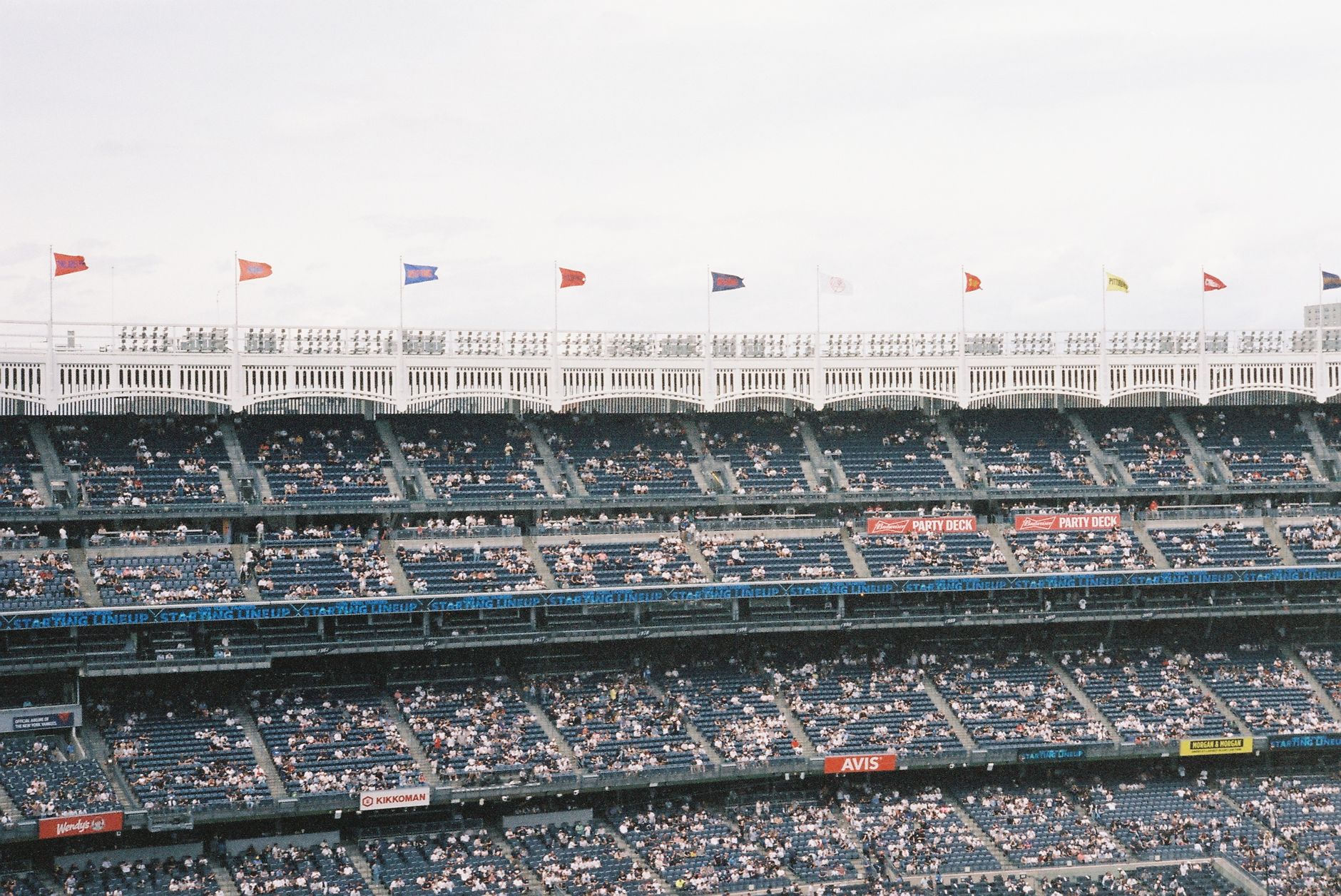
The clearest sign of how big this has become is where the games are being played. These are not minor-league parks. On 2 May 2026, the Bananas drew a crowd of around 102,000 to Kyle Field, the home of Texas A&M football in College Station — a turnout most actual professional leagues can only dream of.
The ambition for the year is enormous. The tour is scheduled to visit roughly 75 stadiums across 45 states, in front of more than 3.2 million fans. Stops have included NFL homes such as the 65,000-seat Raymond James Stadium in Tampa, which sold out, and New England's Gillette Stadium.
Demand has outstripped supply so badly that tickets are handed out by lottery rather than first-come sale. When seats for the Denver date at Coors Field opened, they were reportedly gone within hours. Fans routinely wait months, or miss out entirely, for a single night.
From one team to a six-team league
What began as a single quirky club has matured into a structured competition. In 2026 the operation runs as the Banana Ball Championship League (BBCL), formed after a 2025 world-tour championship. It now fields six touring sides with deliberately cartoonish identities:
- Savannah Bananas
- Party Animals
- Firefighters
- Texas Tailgaters
- Loco Beach Coconuts
- Indianapolis Clowns
That last name is a nod to history — the original Indianapolis Clowns were a famed barnstorming team in the old Negro Leagues, a reminder that travelling baseball entertainment is an American tradition, not an invention. The Bananas have simply rebuilt it for the streaming age.
Mainstream baseball is paying attention
For a long time the establishment could dismiss all this as a novelty act. That is getting harder. The American Association, an independent professional league, has decided to fold several Banana Ball rules into its own 2026 season, testing ideas like the time limit and tweaked scoring in genuinely competitive games.
It is a meaningful crossover. Banana Ball was designed to fix the things casual viewers grumble about in baseball — the dead air, the three-and-a-half-hour games, the long stretches where nothing happens. Major League Baseball has already nudged in that direction with its own pitch clock. The Bananas pushed the same logic to its limit and proved an audience was waiting.
What it means beyond baseball
Strip away the costumes and Banana Ball is really a lesson in attention. It treats a live sporting event as something that has to compete with a phone in everyone's pocket, and it wins that fight by making sure no minute is wasted. That idea travels well beyond America's national pastime.
For anyone running a sport, a tournament or a stadium anywhere in the world, the Bananas pose an uncomfortable question: are you selling a contest, or are you selling a night out? Cricket's shortest formats, football's in-stadium theatrics and the rise of franchise leagues all lean on the same instinct. Banana Ball is just the loudest, yellowest version of it.
Whether the craze keeps growing or eventually cools, it has already made its point. A small-town team in Georgia looked at one of the oldest sports on earth, decided the entertainment came first, and filled NFL stadiums doing it. In 2026, that is no longer a joke. It is a blueprint.