Russia Says the US Has Stopped Being a Neutral Broker on Ukraine
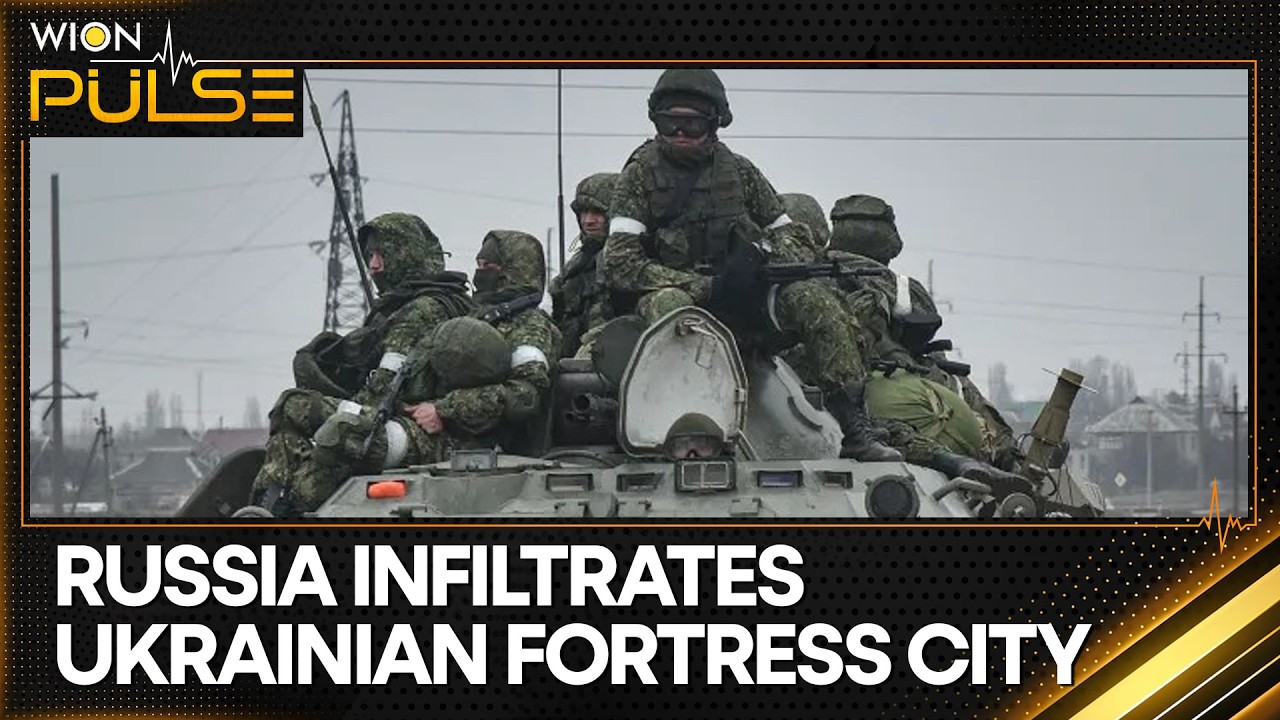
A short segment from WION Pulse is racking up views because of one blunt assertion: Russia is now openly saying the United States can no longer be treated as a neutral party in any Ukraine peace process. It is the kind of line that travels fast on YouTube, because it reframes a familiar war story into something sharper — the supposed referee, Moscow claims, has quietly become a player.
Strip away the headline drama and what you have is a window into how the Russia-Ukraine peace talks are actually being fought right now: less on the battlefield this week, more in the language each side uses to describe the other. That war of framing matters, and it has real consequences for energy markets, for European security, and for a country like India that has spent four years carefully refusing to pick a side.
What Moscow is actually claiming
The core argument runs like this. Washington funds Ukraine's military, supplies weapons and intelligence, and coordinates sanctions against Russia — and yet it also positions itself as a mediator who can shepherd both sides toward a settlement. Russia's case is that you cannot be both the armourer of one side and the honest broker between two sides at the same time.
It is worth being precise here. This is Russia's characterisation, broadcast through outlets and officials who speak for the Kremlin's interests. It is not a neutral finding. The United States has long described its role as backing Ukraine's right to defend itself while leaving the door open to diplomacy, and it rejects the idea that support for Kyiv disqualifies it from talks.
So the claim should be read as two things at once: a real grievance, and a deliberate move. Both can be true. Diplomats rarely say things this pointed by accident.
Why this is a negotiating tactic, not just a complaint
The smartest way to read Moscow's line is as pre-negotiation positioning. If you can convince audiences — and crucially, third countries — that the other side's mediator is compromised, you achieve several things at once.
- You lower the credibility of any proposal that comes through Washington, so you are not seen as the one rejecting peace.
- You create room to demand a different format: more European involvement, a bigger role for neutral states, or direct channels Russia finds more comfortable.
- You shift blame for a stalled process onto the US, which plays well domestically and across parts of the Global South.
None of this requires the underlying claim to be fully accurate. It only requires it to be plausible enough to repeat. That is exactly why a clip like this spreads — it gives viewers a clean, contrarian frame for a messy conflict.
Why the clip is blowing up
There are a few reasons this particular segment is getting traction beyond the usual war coverage.
First, fatigue. Audiences have seen endless battlefield maps and casualty updates. A story about the negotiation itself — about who gets to hold the pen — feels new.
Second, it taps a genuine global suspicion. Across much of Asia, Africa and Latin America, there is a long-standing scepticism about Western neutrality in conflicts. A headline that says the referee isn't neutral lands on already-fertile ground, regardless of the specifics.
Third, the format rewards it. Punchy, opinionated geopolitical explainers do well on YouTube, and a single provocative claim is far more shareable than a careful both-sides update. The virality says as much about the platform as about the diplomacy.
The wider context you need to hold in mind
This moment did not appear from nowhere. The war has settled into a grinding phase where neither side can force a quick result, and the centre of gravity has shifted toward the question of how it ends rather than who wins outright.
A handful of structural sticking points keep any deal stuck:
- Territory — what happens to the regions Russia occupies or claims, and whether any line on a map gets formal recognition.
- Security guarantees — what Ukraine receives in writing to ensure a ceasefire is not just a pause before the next offensive.
- Trust and verification — both sides have accused the other of bad faith, so even an agreed text would face a brutal implementation problem.
Layer on top of that the personalities and politics in Washington, Moscow, Kyiv and Europe, and you can see why a single phrase — the US is no longer neutral — becomes a lever. It is aimed squarely at point two, the question of who can credibly guarantee anything.
The India angle: why this should matter in Delhi
For Indian readers this is not a distant European quarrel. India has built a careful position over four years: it buys large volumes of discounted Russian crude, trades through rupee and other non-dollar arrangements where it can, and consistently calls for dialogue while declining to condemn Moscow outright.
A stalled peace process quietly suits some of those arrangements and complicates others.
- Energy: As long as the standoff continues, Russia keeps selling oil at a discount to buyers like India, and Indian refiners keep benefitting. A genuine settlement could narrow those discounts and reset global prices.
- Sanctions risk: Prolonged conflict keeps the threat of secondary sanctions and banking friction alive for Indian firms dealing with Russia.
- Strategic balance: India values both its old defence relationship with Moscow and its deepening ties with Washington. Any narrative that forces countries to choose a side is uncomfortable for Delhi's preferred posture of strategic autonomy.
When Moscow argues the US has abandoned neutrality, it is implicitly inviting other large powers — India among them — to see the West's mediation with suspicion. That invitation is part of the point.
How to read coverage like this without getting played
Given how much of this is messaging, a little reader discipline goes a long way. A few habits help:
- Separate claim from fact. "Russia says" is doing heavy lifting in this story. Treat it as a position, not a verdict.
- Ask who benefits from the framing. Here, the framing helps Moscow shift blame and reshape the negotiating table.
- Watch for what is missing. Clips rarely include the rebuttal, the caveats, or the long history of failed talks that make any single statement less decisive than it sounds.
- Distinguish noise from movement. A viral quote is not the same as a change on the ground. Real shifts show up in troop positions, sanctions packages and signed documents, not soundbites.
What may happen next
The most likely near-term outcome is more of the same: dueling statements, intermittent contacts, and no breakthrough. Both sides have reasons to keep talking about talking without committing to terms they cannot sell at home.
Watch for three things. Whether Russia pushes harder for a different negotiating format that sidelines Washington. Whether European capitals step forward as alternative interlocutors. And whether any of this produces an actual ceasefire framework rather than just rhetoric — the only development that would genuinely move markets and reset India's calculations.
Until then, treat headlines like this one for what they are: a contest over the story of the war, fought in public, with the outcome still unwritten. The clip is going viral because it tells a tidy tale. The reality, as usual, is messier — and far from settled.