Khesari Lal Yadav's 'Chatie Jala Ho' and Bhojpuri's View Game
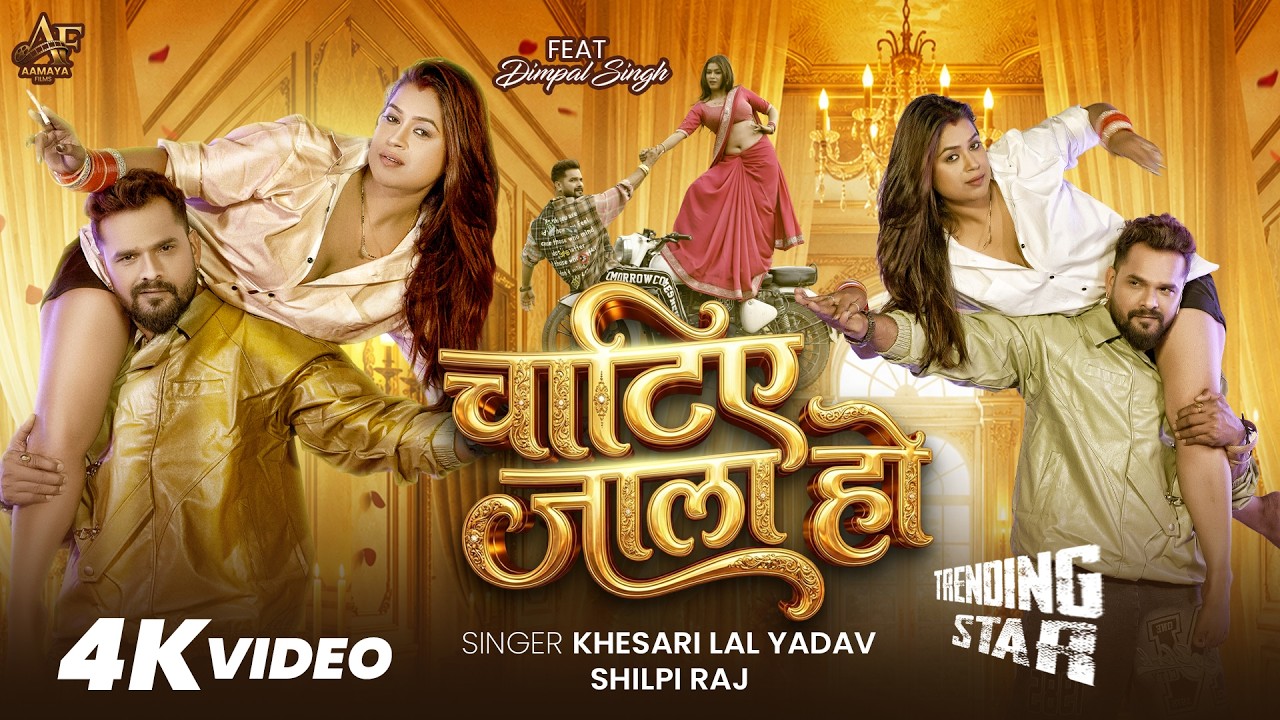
A new Khesari Lal Yadav track titled "Chatie Jala Ho" has pushed its way onto YouTube's trending lists in India, the latest in a long line of Bhojpuri singles that arrive with a cheeky, double-meaning title and leave with a view count most mainstream Hindi releases would envy. Credited alongside singer Dimpal Singh and stamped with the "Bhojpuri Song 2026" tag, the upload is doing exactly what the genre's biggest hits are built to do: travel fast, get shared on WhatsApp, and rack up replays without ever touching radio or a curated streaming playlist.
For anyone outside the Bhojpuri-speaking belt, the obvious question is why a regional folk-pop single keeps outrunning national releases on the same platform. The answer says more about how India actually consumes music than it does about any one song.
The song, and why the title is doing the heavy lifting
The title itself is the marketing. Bhojpuri pop has perfected the art of the double entendre — a phrase that reads as everyday domestic chatter on the surface while carrying a clearly suggestive second meaning. It is a formula that guarantees curiosity clicks, debate in the comments, and the kind of nudge-and-wink sharing that algorithms reward.
This is not an accident or a one-off. It is a repeatable template. The visuals tend to pair a recognisable male star like Khesari with a glamorous female lead, a loud festival-ready beat, and lyrics that lean on innuendo rather than storytelling. The production is fast, the hook is sticky, and the whole package is designed for the small screen of a budget smartphone.
None of the specific claims floating around such releases — exact view milestones, records broken in a certain number of hours — should be taken at face value until the counter actually shows them. View numbers on these uploads climb quickly and are often quoted loosely. What is verifiable is the pattern: a Khesari release with a provocative title reliably trends.
A YouTube-first industry, not a radio one
The single biggest thing to understand about Bhojpuri music is that it largely skipped the gatekeepers. It never depended on FM radio rotation, never needed a slot on a national music channel, and was never built around streaming-service editorial playlists where Hindi and English pop dominate.
Instead it went straight to YouTube, and that decision shaped everything:
- Cheap mobile data after 2016 put video in the hands of exactly the audience Bhojpuri serves — small-town and rural listeners across Bihar and eastern Uttar Pradesh.
- Migrant workers in Delhi, Mumbai, Surat, the Gulf and beyond use these songs as a direct line home, and they replay them constantly.
- Repeat plays and loud comment sections feed the recommendation engine, which surfaces the next Bhojpuri hit to the same viewers.
The result is a self-sustaining loop. The audience is enormous, loyal, and concentrated on one platform, which is why a regional-language track can sit on a trending list next to a film trailer and a cricket highlight.
Khesari Lal Yadav, the brand
Khesari is not just a singer. He is one of the genre's biggest crossover stars — a film lead, a stage performer who commands large live shows, and a name that has appeared on national television talent and reality formats. That breadth matters. When his name is on a thumbnail, a chunk of the audience clicks before they have heard a single note.
That star power is also why his releases double as events. A new Khesari single is treated less like a song drop and more like a product launch, timed and titled to maximise the first-day surge that pushes a video into "trending" territory, where casual viewers then discover it.
His co-stars and collaborators benefit too. A featured singer like Dimpal Singh gains visibility from sharing a frame and a credit with one of the industry's marquee names, which is part of how Bhojpuri builds its next tier of performers.
The vulgarity debate that won't go away
Every wave of suggestive Bhojpuri hits reignites the same argument, and "Chatie Jala Ho" sits squarely inside it.
Critics — including women's groups, some politicians, and cultural commentators — argue that the steady diet of innuendo coarsens public taste and reduces women in the videos to props. Over the years there have been periodic calls for stricter checks, complaints to authorities, and the occasional notice or takedown demand against specific tracks. These flare-ups tend to boost the very songs they target, since controversy is its own form of promotion.
Defenders push back with two points. First, that bawdy humour and double meaning are old folk traditions — wedding songs, teasing seasonal forms like chaita and kajri, and festival numbers have always carried a wink. Second, that the outrage is laced with class snobbery: the same suggestive content in an English or Hindi pop video rarely draws the same scolding. The genre's core listeners, they argue, are working-class people entitled to their own entertainment without being lectured.
Both sides have a point, and the honest position is that the truth sits in the middle. There is a real tradition behind the playfulness, and there is also a commercial machine that has learned shock sells and leans on it hard.
The economics behind the formula
Follow the money and the strategy makes sense. Bhojpuri music labels operate on volume and velocity. Songs are produced quickly and cheaply, released in a steady stream, and monetised primarily through YouTube ad revenue, live show bookings, and the star value the hits create for the artists.
In that model, a few things are rewarded above all:
- A title that demands a click. Curiosity is the cheapest form of marketing, and a double meaning manufactures it for free.
- A recognisable lead. A known face de-risks the upload and front-loads the views.
- Festival and seasonal timing. Releases are often slotted around weddings, harvest festivals and holiday seasons when the diaspora is most plugged in.
- Sheer quantity. Flooding the feed keeps the channel and the artist permanently in front of the audience.
Within that machine, an attention-grabbing title is not a lapse in taste. It is the plan.
What this tells us about India's real music chart
The broader story is that India's most-watched music does not always look like the music that gets written about. Regional-language tracks — Bhojpuri, Punjabi, Haryanvi, Tamil, Telugu and others — consistently dominate raw view counts, and much of that traffic is invisible to people who follow only the metro, English-and-Hindi conversation.
Bhojpuri is the loudest example of a content economy that grew up entirely on a free video platform, aimed at an audience the formal industry long ignored. "Chatie Jala Ho" is one single in that stream, and it will likely be overtaken by the next Khesari or rival release within weeks. The pattern, though, is durable.
What happens next
Expect the usual arc. The view count climbs, the comments fill with a mix of praise and complaint, a few headlines flag the title, and a rival label fires back with its own provocatively named answer. If history is any guide, any controversy will lift the numbers rather than sink them.
The longer-term question is whether the genre matures past the shock-title formula as its audience and budgets grow, or whether the economics keep rewarding the same playbook. For now, the playbook is winning — and a Bhojpuri single with a wink in its name is once again sitting on the trending page, doing exactly what it was built to do.