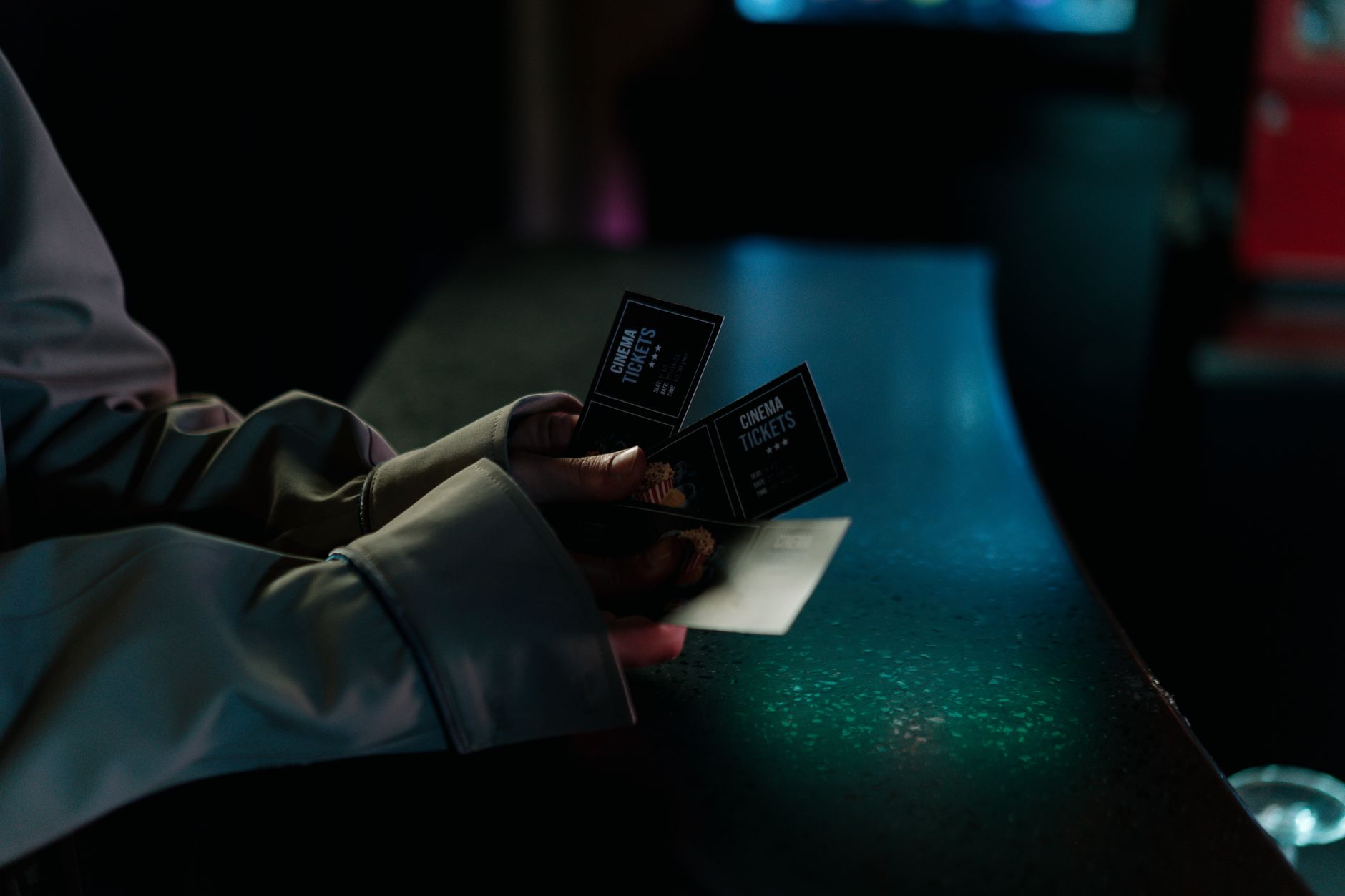
Photo: cottonbro studio / Pexels
Why Bollywood Songs Drop Before the Movie: Music Rights Decoded
Here is a pattern you have seen a hundred times without naming it: the trailer is still weeks away, but the first song is already trending, racking up tens of millions of YouTube views and turning up as everyone's caller tune. By the time the film opens, you know the hook by heart. This is not an accident of marketing — it is the visible tip of the music rights business, an industry that quietly out-earns many of the films it scores.
Understanding how film music rights work explains almost every odd thing about Indian cinema's soundtracks: why songs come out first, why old hits get recreated, why your favourite track vanishes from one app and appears on another, and why a lyricist from the 1990s might still be getting paid today.

Why the songs always come out first
The short answer is money and time. When a music label acquires a film's audio, it pays the producer a large sum — and it needs a long runway to earn that back. A film's theatrical life is brutally short, often two to four weeks. A song's earning life runs for years across streaming, video and telecom. So the smart move is to start that clock as early as possible.
Releasing singles weeks ahead does two jobs at once. It promotes the film, building familiarity that pulls audiences into theatres. And it kick-starts the label's own revenue, because every stream, view and caller-tune activation begins paying off before the movie has even opened. The modern habit of dripping out songs one at a time — a lead single, then a romantic track, then a dance number — is simply this logic stretched across a calendar.
What "music rights" actually means
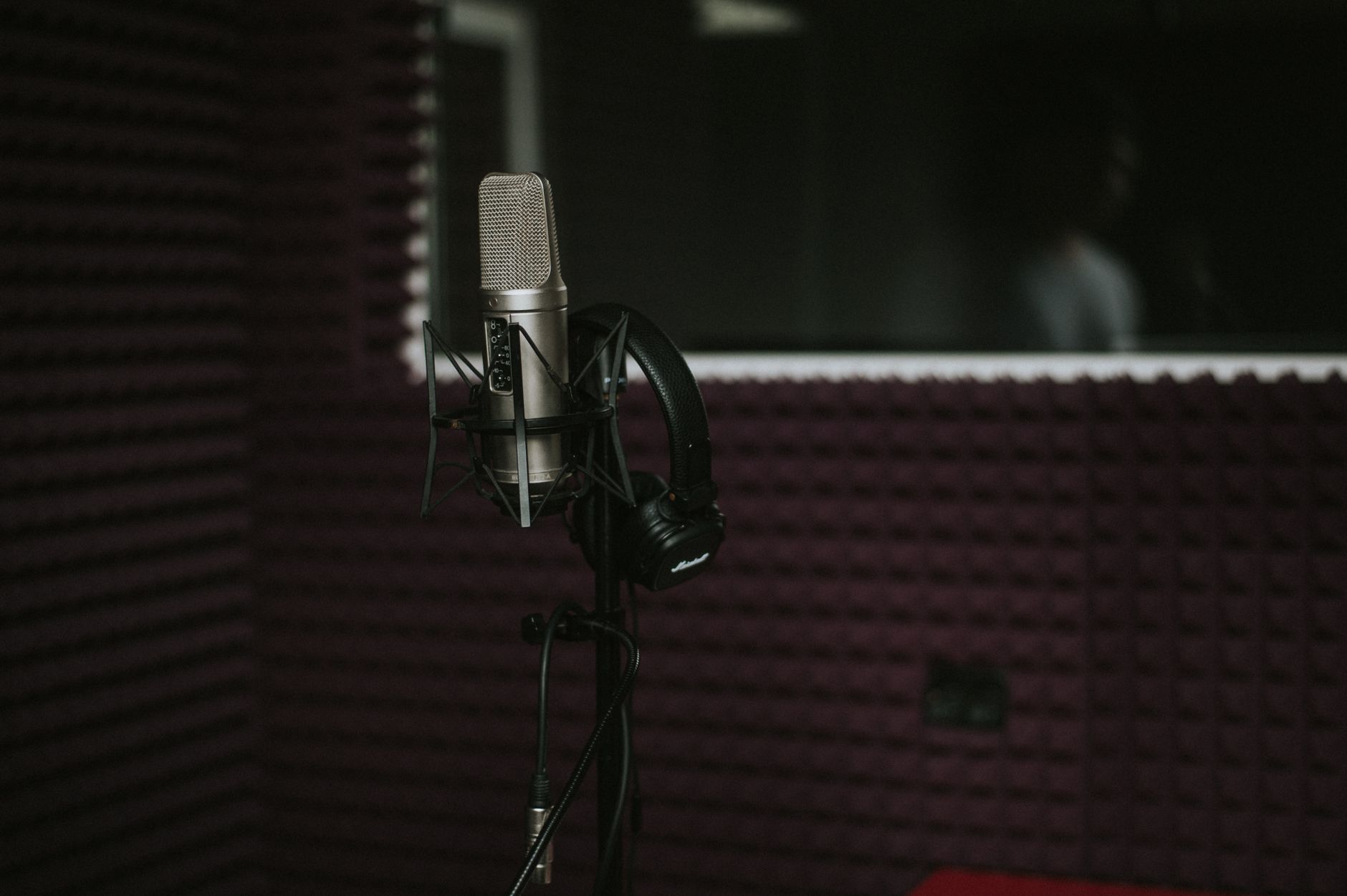
In India, a film's music is typically sold as an all-in deal. The label buys both the sound recording (the actual track you hear) and a large slice of the publishing (the underlying composition and lyrics). This is unusual globally, where labels and publishers are often separate. Here, the big labels play both roles, which is why a handful of companies dominate.
The commercial heart of the deal is the Minimum Guarantee (MG) — an upfront, non-refundable payment from the label to the producer. This is enormously attractive to filmmakers, because it de-risks the project: the music money is banked regardless of whether the film flops. The label, in turn, bets that streams, ads and licensing will eventually exceed what it paid.
A few names control most of this market:
- T-Series — the dominant force, built by the late Gulshan Kumar and now run by Bhushan Kumar, operating one of the world's most-subscribed YouTube channels.
- Sony Music India, Zee Music Company and Tips Industries — major buyers of new-film soundtracks.
- Saregama — the custodian of a vast legacy catalogue stretching back to the old HMV era, monetised through everything from streaming to its Carvaan players.
How labels earn the money back
Ticket sales never reach the label. Its returns come from a stack of long-tail streams that keep flowing for years:
- Streaming royalties from Spotify, JioSaavn, Apple Music, Amazon Music and the like — fractions of a rupee per play, but at billions of plays it adds up.
- YouTube — both ad revenue on official videos and payouts when users put the audio in their own clips and Shorts.
- Caller tunes / ringback tones — a peculiarly large and durable revenue line in India, sold through telecom operators, that barely exists in Western markets.
- Sync licensing — fees for using a song in an advertisement, a web series, a film or a reality show.
- Public-performance royalties — money owed every time a song is broadcast or played in public, collected centrally.
That last stream runs through the Indian Performing Right Society (IPRS), the body that licenses public use of music and distributes the proceeds to composers, lyricists and publishers. Its relevance jumped when T-Series joined as a member, bringing a catalogue of hundreds of thousands of titles and consolidating a huge share of publishing under one roof.
Why a 2012 law still shapes your playlist
For decades, songwriters signed away everything for a one-time fee and watched producers and labels collect forever. The Copyright (Amendment) Act, 2012 rewrote that bargain. It gave the authors of the underlying works — the lyricists and composers — a right to royalties that cannot be fully assigned away when their work is used outside a cinema hall.
In plain terms: when a film song plays on the radio, on a streaming app, on TV or as a caller tune, the writer and composer are legally entitled to a continuing cut, no matter what they signed. It is the reason a veteran lyricist can still draw income from a hit penned years ago, and the reason royalty collections in India have grown into a serious, fast-rising business rather than a rounding error.
Why old hits keep getting remixed
If you feel buried under recreations of 1990s and 2000s tracks, the rights economy explains it. Labels already own the catalogue, so reusing a beloved melody costs far less than commissioning something wholly original — and it carries built-in recognition. Nostalgia is, commercially speaking, the safest bet in the business.
There is a catch the law now enforces. Because the 2012 amendment protects the original composers and lyricists, a recreation cannot simply lift an old tune and ignore its creators. That has fuelled public disputes when artists feel their classics were reworked without proper credit or consent. So the remix wave is part nostalgia, part low-risk economics, and increasingly part legal tightrope.
What it means for you, the listener
Once you see the machine, the listener's experience makes sense. Songs feel over-promoted because the label's recovery clock starts before the film does. Tracks shuffle between apps because streaming licences are negotiated and renegotiated platform by platform. And caller tunes survive in India long after the rest of the world forgot them because they remain a genuine revenue stream.
A few practical takeaways:
- The song trending a month before release is a business signal, not just hype — the label is racing to monetise.
- If you want to support the actual creators, official streaming and video plays route money through the rights system; pirated rips route nothing.
- A "new" song that sounds familiar is often a licensed recreation, which is exactly why the original credits still appear.
What comes next
The next frontier is already arriving: AI-generated music and voice cloning, which threaten to recreate a singer's voice without involving the singer at all. India's tightening rules on synthetic content and the steady expansion of royalty enforcement suggest the rights system will only grow more important, not less.
The takeaway is simple but counterintuitive. The film is the spectacle, but the soundtrack is often the better long-term business — a small, durable asset that keeps earning quietly for years after the screen goes dark. Next time a song lands weeks before the trailer, you will know exactly what you are watching: not just marketing, but a rights machine starting its meter.