Photo: Quentin Martinez / Pexels
What $450 Million Buys: The Priciest Things Ever Sold
Every few years a number lands that makes the rest of the luxury world look like loose change. A painting that costs more than a fighter jet. A car that outsells a small office tower. A bottle of Scotch priced like a Mumbai sea-facing flat. When you line up the most expensive things ever sold side by side, the gap between categories tells you as much as the prices themselves.
This is a tour of the record-holders that actually stand up to checking — the verified ones, not the internet myths. We've kept private estimates and PR fantasies separate from genuine, documented sales, because the difference matters once you start comparing.

The single priciest object ever to change hands
The outright champion is a painting. Salvator Mundi, attributed to Leonardo da Vinci and dated around 1500, sold for $450.3 million at Christie's in New York in November 2017. The buyer was later linked in media reports to the Saudi royal court, with the work reportedly acquired on behalf of Crown Prince Mohammed bin Salman through a proxy.
What makes the figure stranger is the doubt baked into it. The attribution to Leonardo is disputed by some scholars, and the canvas was heavily restored. Buyers paid Leonardo money for a Leonardo question mark, which is its own kind of statement about how the top of the art market works. No public auction lot of any kind has crossed that line since.
The record-holders, category by category
Here is how the headline categories stack up. A note before you read: paintings, cars, gems, watches and whisky records all come from open auctions with published hammer prices. Yachts and private jets do not — those are build costs or private deals, so they sit in the table for scale, not as auction records.
| Category | Record holder | Price | Year | Where it sold |
|---|---|---|---|---|
| Painting | Salvator Mundi (attr. Leonardo) | $450.3 million | 2017 | Christie's, New York |
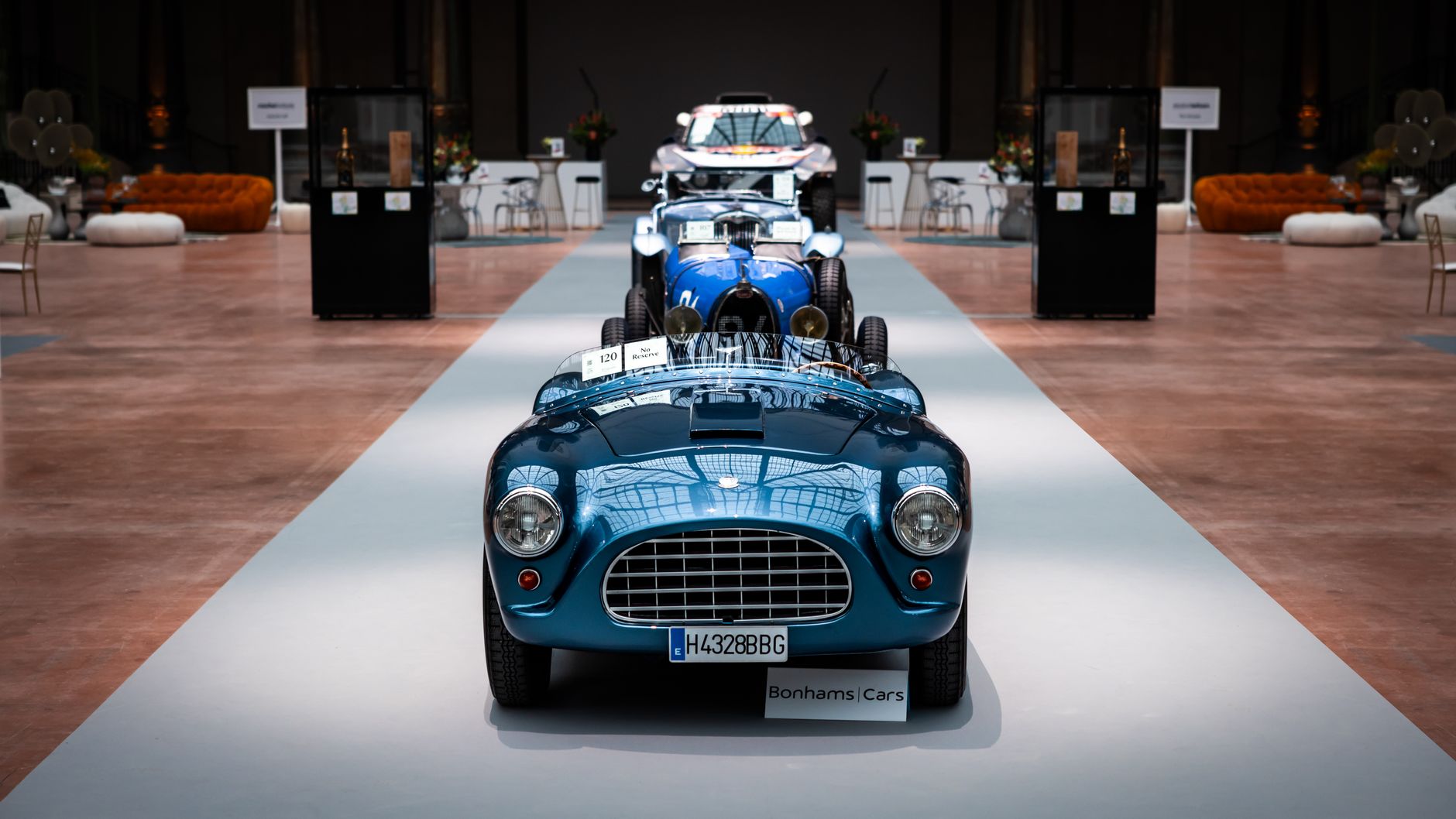
| Car | 1955 Mercedes-Benz 300 SLR Uhlenhaut Coupé | €135m (~$143m) | 2022 | RM Sotheby's, Stuttgart |
| Diamond / gem | CTF Pink Star | $71.2 million | 2017 | Sotheby's, Hong Kong |
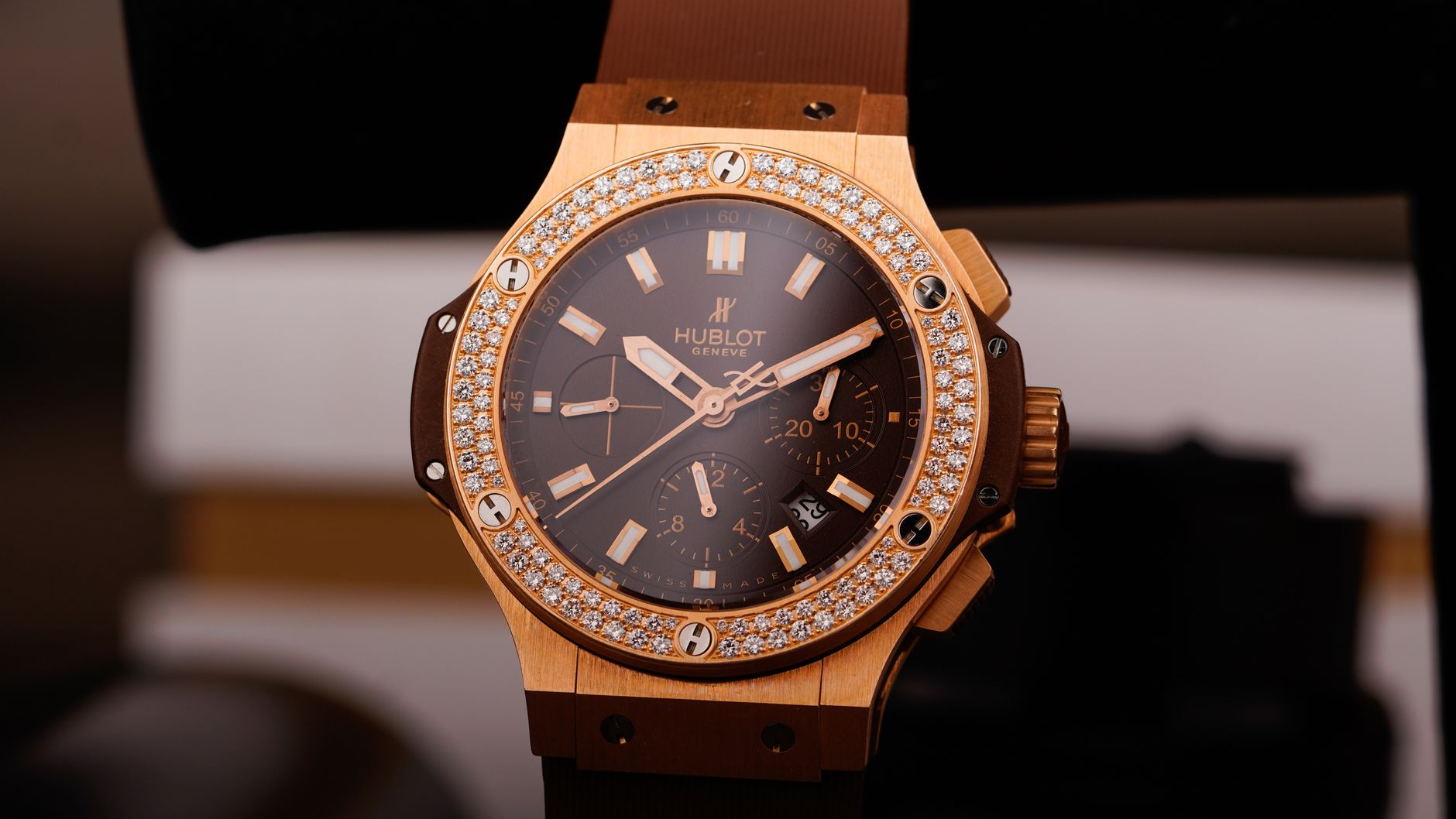
| Watch | Patek Philippe Grandmaster Chime 6300A | $31 million | 2019 | Christie's, Geneva |
| Whisky (single bottle) | Macallan 1926 Valerio Adami | $2.7 million | 2023 | Sotheby's, London |
| Yacht (build cost) | Azzam, 180m | ~$600 million | 2013 | Lürssen, Germany |
| Private jet (VIP build) | Boeing 747-8 VIP | ~$400 million+ | — | Private |
| Indian artwork | Amrita Sher-Gil, The Story Teller | ₹61.8 crore (~$7.4m) | 2023 | Saffronart |
A few of these deserve their own footnote. The Mercedes 300 SLR is one of only two ever built, and its 2022 sale shattered the old car record held by a 1962 Ferrari 250 GTO. The CTF Pink Star is a 59.6-carat pink diamond bought by Hong Kong jeweller Chow Tai Fook, which renamed it after the company's founder. The Patek Philippe Grandmaster Chime was a one-off steel piece sold for charity at the Only Watch auction, with the dial literally inscribed "The Only One."
Why these numbers aren't really comparable
It is tempting to rank everything in one straight line and crown a winner. The honest answer is that the categories don't play by the same rules.
- Auction vs private sale. A hammer price is public and verifiable. A yacht or a custom Boeing changes hands behind closed doors, and the figures float on estimates. Azzam's roughly $600 million is a build cost, not a sale price someone bid in a room.
- One-of-one vs many. The painting and the Mercedes are unique. There are 40 bottles of the Macallan 1926, which is partly why a bottle, however legendary, tops out in the low millions rather than the hundreds.
- The myth problem. You'll see a "$4.8 billion History Supreme yacht" quoted everywhere. There is no credible evidence it exists; it appears to be a fabricated stunt. We've left it out on purpose.
Once you separate documented auctions from private estimates, the picture gets cleaner. Art occupies a tier of its own. Cars and the biggest gems form the next band. Watches and whisky, for all their fame, are a rung below.
The India chapter: a ₹61.8 crore painting
India has its own record, and it belongs to a woman who died at 28. Amrita Sher-Gil's 1937 oil The Story Teller sold for ₹61.8 crore (about $7.4 million) at a Saffronart sale in September 2023, the highest price ever paid for any Indian artist. The painting shows village women at ordinary tasks — chewing betel, fanning, listening to a story — and that quiet domesticity now carries the country's auction crown.
The sale pushed past the previous Indian high held by S.H. Raza's Gestation, and it sat in a catalogue alongside Husain, Gaitonde, Souza and Jamini Roy. For a market long treated as a junior cousin of the Western art world, a ₹60-crore-plus result was a marker that Indian Modernism has serious global money behind it. It is still a fraction of Salvator Mundi, but the trajectory is the point.
So what is actually the "most expensive thing"?
Depends on how you define the question, and here's the verdict.
If you mean a single object sold in the open with a price anyone can check, it is Salvator Mundi at $450.3 million, and nothing else is close. If you mean the most money ever spent to acquire one physical possession regardless of how it was sold, the answer shifts to the superyachts and bespoke jumbo-jets — vessels like Azzam, or rumoured Airbus A380 and Boeing 747 conversions, where total spend runs past half a billion dollars once interiors are counted.
So the cleanest way to say it: a painting is the world's most expensive auctioned object, while a yacht or a flying palace is the most expensive thing people actually buy. Both are true. They just answer slightly different questions.
What pushes a price into record territory
Strip away the glamour and the same three forces show up every time.
- Genuine scarcity. One of two cars. A one-off watch. The largest flawless pink diamond the GIA has graded. When supply is fixed at a tiny number, the only variable left is how badly the richest buyers want it.
- A story you can repeat. Leonardo's lost Christ. A Mercedes named after the engineer who built it. A bottle whose label was drawn by an Italian artist. The narrative is half the value, because at this level buyers are purchasing membership in a story.
- A room full of rivals. Records are made when two or more people who can afford anything decide they must have the same thing. Charity auctions like Only Watch amplify this, turning ego and goodwill into a bidding war.
The practical takeaway for the rest of us is oddly grounding. These aren't really prices in the everyday sense of cost meeting use. They are the visible tip of how concentrated extreme wealth has become — and a reminder that, at the very top, the number on the tag is the product.