Why Your Car Overheats in the Indian Summer — and How to Cool It Down
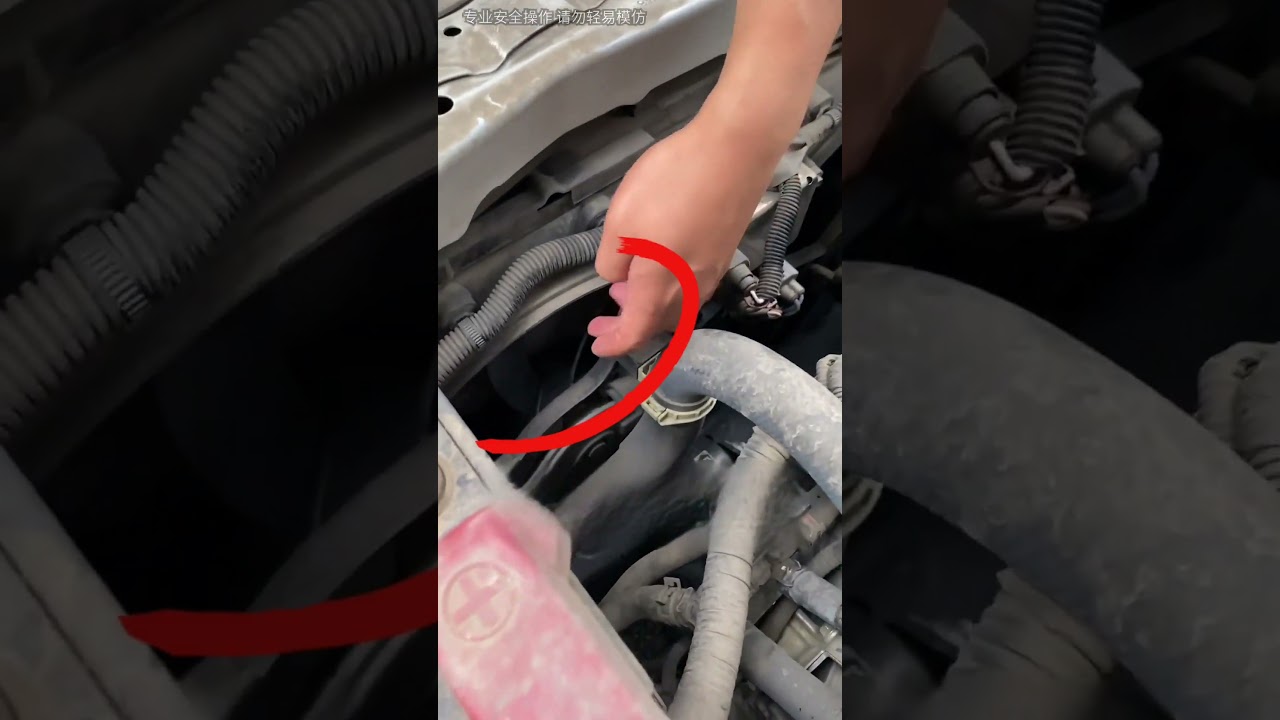
A short clip doing the rounds on YouTube has tapped into a very specific kind of dread: the moment the temperature gauge in your car starts creeping toward the red. Framed as a quick skills-and-knowledge teaser, the video poses a simple question — can you solve a car's high temperature problem? — and millions of viewers, many of them sweating through an Indian June, clearly feel the question is aimed at them.
The reason it travels so far is that car engine overheating is one of the few mechanical faults nearly every driver will face at least once, and almost nobody is taught how to handle it. It is not exotic. It is the radiator, the coolant and the fan doing ordinary jobs in extraordinary heat, until one of them quietly stops.
Why this clip struck a nerve right now
Timing is everything. The video is spreading at the precise moment large parts of India are baking through peak summer, with daytime temperatures in many cities sitting well above 40°C. Cars that coped fine in winter suddenly find their cooling systems working flat out, especially when stuck in slow traffic where there is no airflow over the radiator.
There is also a format effect. These bite-sized automotive clips thrive because they promise a single, useful trick in under a minute. People share them not because the production is slick but because the problem is real and the fix feels within reach. A viewer who has once watched their own needle climb on a flyover will stop scrolling instantly.
What the clip does well is start the conversation. What it cannot do in a few seconds is give you the actual diagnosis, which is where genuine knowledge matters.
What 'high temperature' is really telling you
Your engine is happiest in a fairly narrow band, typically around 90°C. The cooling system exists to hold it there: coolant absorbs heat from the engine, carries it to the radiator, and the airflow plus a radiator fan dump that heat into the atmosphere. The thermostat acts as a valve that decides when coolant starts circulating, and the water pump keeps it all moving.
When the gauge climbs, one link in that chain has broken. The most common causes are surprisingly mundane:
- Low coolant — usually from a slow leak in a hose, the radiator, or a perished cap.
- A stuck thermostat — jammed shut, it blocks coolant from reaching the radiator.
- A failed radiator fan — without it, overheating shows up most in idling traffic, not on the open highway.
- A weak or failing water pump — coolant stops circulating properly.
- A blocked radiator — clogged with debris, dust or internal scale.
- A blown head gasket — both a cause and a consequence, and the most expensive on the list.
Notice that none of these are about the engine being 'weak'. A perfectly healthy motor will overheat in minutes if a ₹500 part fails. That gap between cause and panic is exactly what makes the viral question so sticky.
The signs before the gauge spikes
Overheating rarely arrives without warning. The trouble is that the early signals are easy to ignore. Pay attention to these:
- A faint sweet smell near the bonnet, the tell-tale scent of leaking coolant.
- The temperature needle sitting higher than usual, or twitching upward in traffic then settling on the move.
- The air-conditioning suddenly blowing warm, often the first casualty as the engine fights for cooling capacity.
- A small puddle of green, orange or pink fluid under the parked car.
- Steam or a haze from the bonnet, which means you are already past the warning stage.
Drivers who catch the problem at the smell-and-needle stage usually walk away with a cheap repair. Those who push on until there is steam are gambling with the engine itself.
What to do the moment it overheats
This is the part the trending clip can only gesture at, and the part worth committing to memory. If your temperature gauge crosses into the red or a warning light comes on:
- Turn off the air-conditioning immediately — it adds a heavy load to the engine and the cooling system.
- Turn the cabin heater on full, as counter-intuitive as that sounds in summer. It pulls heat away from the engine and buys you a few minutes.
- Find a safe spot and pull over. Do not try to nurse the car home.
- Switch off the engine and let it cool for at least 15 to 20 minutes.
- Do not open the radiator cap while it is hot. The system is pressurised and the coolant is well above boiling; opening it can spray scalding fluid.
- Once cool, check the coolant level. If it is low and you have coolant or even clean water on hand, top up carefully.
If the level looks fine but the car overheats again quickly, the fault is mechanical — a fan, thermostat or pump — and it needs a workshop, not a top-up. Driving on regardless risks a warped cylinder head or a seized engine, repairs that can run into tens of thousands of rupees.
The Indian context the clip leaves out
Conditions on Indian roads stack the odds against your cooling system in ways a generic clip never mentions. Stop-go traffic is the worst case: with the car barely moving, there is almost no natural airflow through the radiator, so everything depends on the electric fan. If that fan is weak, overheating shows up in jams while the highway feels fine.
Ambient heat is the second factor. A cooling system designed with some margin can run out of headroom when the outside air is already at 44°C and the tarmac is hotter still. Add an older car with scaled-up internal passages or coolant that has not been changed in years, and the margin disappears.
There is a maintenance angle too. Coolant is not a fill-and-forget fluid; it degrades and should typically be replaced on the schedule in your owner's manual, often every two to three years or so. Many owners top up with plain water for years, which corrodes the system from the inside and lowers the boiling point. The cheapest insurance against the viral nightmare is a proper coolant flush and a quick pre-summer fan and hose check.
Why these clips keep going viral
Automotive 'skills' videos have become a reliable genre because they sit at the intersection of fear and fixability. Car trouble is frightening, the repair economy feels opaque, and a creator who appears to hand you a simple answer earns instant trust. The hashtags — driving, skills, knowledge — are engineered for exactly the audience that has felt that needle move.
The honest caveat is that no ten-second video can diagnose your specific car. Overheating has half a dozen root causes, and the right response depends on which one you have. The clip is a useful nudge to learn, not a substitute for opening the bonnet or visiting a mechanic.
If the trend does one good thing, it is this: it gets people to glance at a gauge they usually ignore until it is too late. In an Indian summer, that glance can be the difference between a ₹500 top-up and a five-figure engine rebuild.
The bottom line
Overheating is not a sign of a bad engine. It is a sign that a small, fixable part of the cooling system has failed, and that the heat outside has removed your margin for error. Keep your coolant topped up and fresh, check that your fan actually spins, and respect the warning light when it comes. Do that, and the viral question — can you solve the high temperature problem? — becomes one you can answer with a shrug.