Photo: This And No Internet 25 / Pexels
40,000 CBSE Class 12 Students Want Their Papers Rechecked: Why
Within roughly 48 hours of the window opening, almost 40,000 Class 12 students had logged in and asked the Central Board of Secondary Education (CBSE) to take a second look at their answer sheets. By Wednesday morning, June 4, 2026, that number was still climbing — and it has turned a routine post-result formality into one of the year's biggest school-exam stories.
The rush is not random. It lands in a year when the CBSE Class 12 pass percentage slipped to about 85.2%, down from 88.39% in 2025, and in the first year that the board scored papers using a new on-screen digital marking system. For thousands of students staring at a number that feels lower than it should, the re-evaluation portal has become the obvious next move.
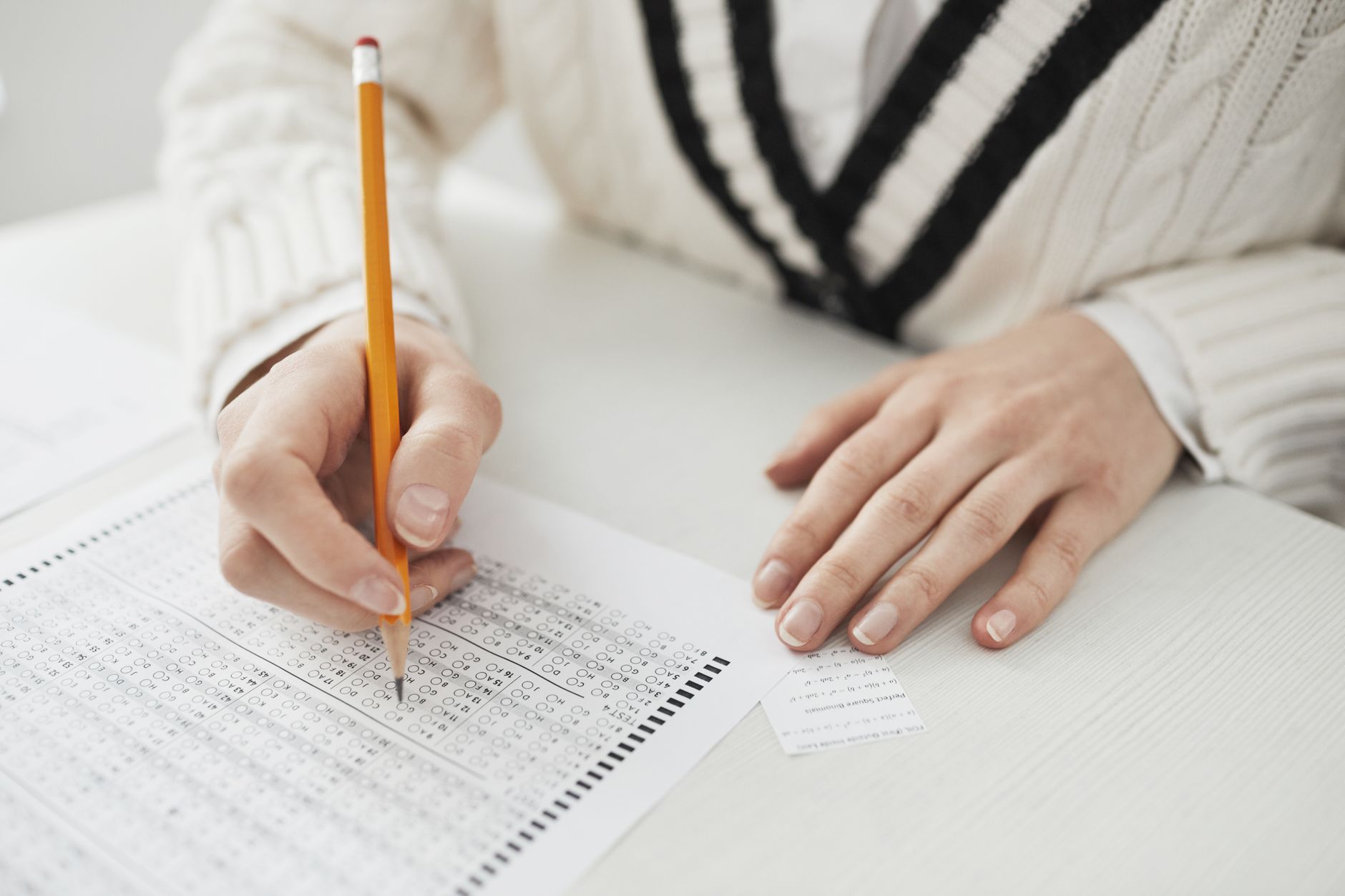
Why so many students are applying at once
A roughly three-point drop in the pass percentage sounds small. In a cohort of well over a million students, it represents a very large number of teenagers who either failed a subject they expected to clear or scored several marks below their own estimate. When marks decide college admissions, scholarships and cut-off-driven seats, even two or three marks can change a future.
The timing matters too. The Class 12 result was declared on May 13, 2026, the gap to admission deadlines is tight, and social media filled quickly with students comparing scores and pointing fingers at the new evaluation process. That collective anxiety — amplified by parents and coaching forums — is a big reason the application count crossed tens of thousands so fast.
CBSE, for its part, has pushed back on the idea of a systemic problem. The board's examination wing has maintained that on-screen marking is at least as reliable as manual checking, and that evaluators score strictly against the official marking scheme. Some teachers, though, have flagged real-world friction: screen fatigue from hours of digital checking, software that runs slowly, and visibility issues — concerns that feed the suspicion driving so many re-evaluation requests.

What "re-evaluation" actually means
Here is the part most students get wrong. Re-evaluation is not one action — it is a sequence, and each stage does something different. Knowing the order saves money and avoids disappointment.
- Verification of marks: The board re-checks the arithmetic and the basics — whether every answer was marked, whether totals were added correctly, and whether any part was left unchecked. This is the cheapest and most common fix.
- Photocopy of the evaluated answer book: You can request a scanned copy of your actual checked script. This lets you see exactly where marks were cut before deciding whether a deeper challenge is worth it.
- Re-evaluation of specific answers: A subject expert re-examines the particular questions you flag, comparing your answer against the marking scheme.
Many students jump straight to demanding a full re-check. In practice, verification catches the most errors — a missed page, an un-totalled column — at the lowest cost. The photocopy step is the smart middle move: it turns a guess into an informed decision.
Fees, refunds and the rules you must not miss
The costs are deliberately modest so genuine grievances are not priced out, but the structure rewards students who plan.
- Verification of marks: around ₹100 per subject.
- Re-evaluation: approximately ₹25 per question you want re-checked.
- Photocopy of the answer book: charged separately per script.
Two rules deserve bold attention. First, CBSE refunds the re-evaluation fee if your marks go up after the recheck — so a successful challenge effectively costs nothing. Second, the board typically allows only one verification request and one re-evaluation request per student, which is why officials keep urging candidates to club every subject and every disputed question into a single application rather than firing off separate ones.
There is no offline route and no grace period. Requests submitted after the deadline are simply not entertained, so a missed midnight cut-off means the option is gone for the year.
How to apply, step by step
The process runs entirely online, and it is Aadhaar-authenticated — a change that trips up some applicants. Here is the clean sequence:
- Go to the official post-result portal (postresult.cbseit.in, linked from the CBSE site) during the open window.
- Sign in and complete Aadhaar-based verification. Students without their own Aadhaar can use a parent's or guardian's Aadhaar details.
- On the dashboard, choose verification of issues or re-evaluation, depending on what you need.
- Select the subject and enter the specific details — for re-evaluation, the exact question numbers.
- Pay online and download the acknowledgement receipt. Keep it safe; it is your proof of application.
A practical tip: pull the photocopy of the answer book first wherever the schedule allows, study where marks were actually lost, and only then spend on re-evaluating the questions that genuinely look mis-scored. Blindly re-checking every question is expensive and rarely productive.
A bumpy launch — and what students should watch
The rollout was not entirely smooth. The portal reportedly faced technical glitches and attempted cyberattacks in its opening hours, slowing some applicants down before access stabilised. With a hard deadline and no offline fallback, students were warned not to leave submissions to the final night — a server crunch at the last minute could cost them the window entirely.
The smart play is straightforward: apply early, keep the Aadhaar login details and the acknowledgement receipt handy, and screenshot every confirmation page. If the site lags, try again rather than assuming the request went through.
What this episode really says
Strip away the noise and the 40,000 re-evaluation requests are a referendum on a transition year. CBSE moved a high-stakes, million-plus-student examination onto a digital evaluation system, the headline pass percentage dipped, and a chunk of students decided they would rather pay ₹100 to be sure than accept a number they distrust.
That is not necessarily a verdict that the marking was wrong. Verification and re-evaluation exist precisely so that human and digital error can be caught and corrected — and the refund-if-marks-rise rule is the board signalling confidence that most scores will hold. The real test comes when the revised results land: if a meaningful share of scores move up, the questions about on-screen marking will get louder; if they mostly stay put, CBSE's defence of the new system gets a lot stronger.
For the individual student, the lesson is simpler. Re-evaluation is a right, not a lottery. Use the photocopy to decide, club everything into one application, mind the midnight deadline, and treat the receipt as gold. Done right, it is the cheapest second chance a board exam will ever give you.