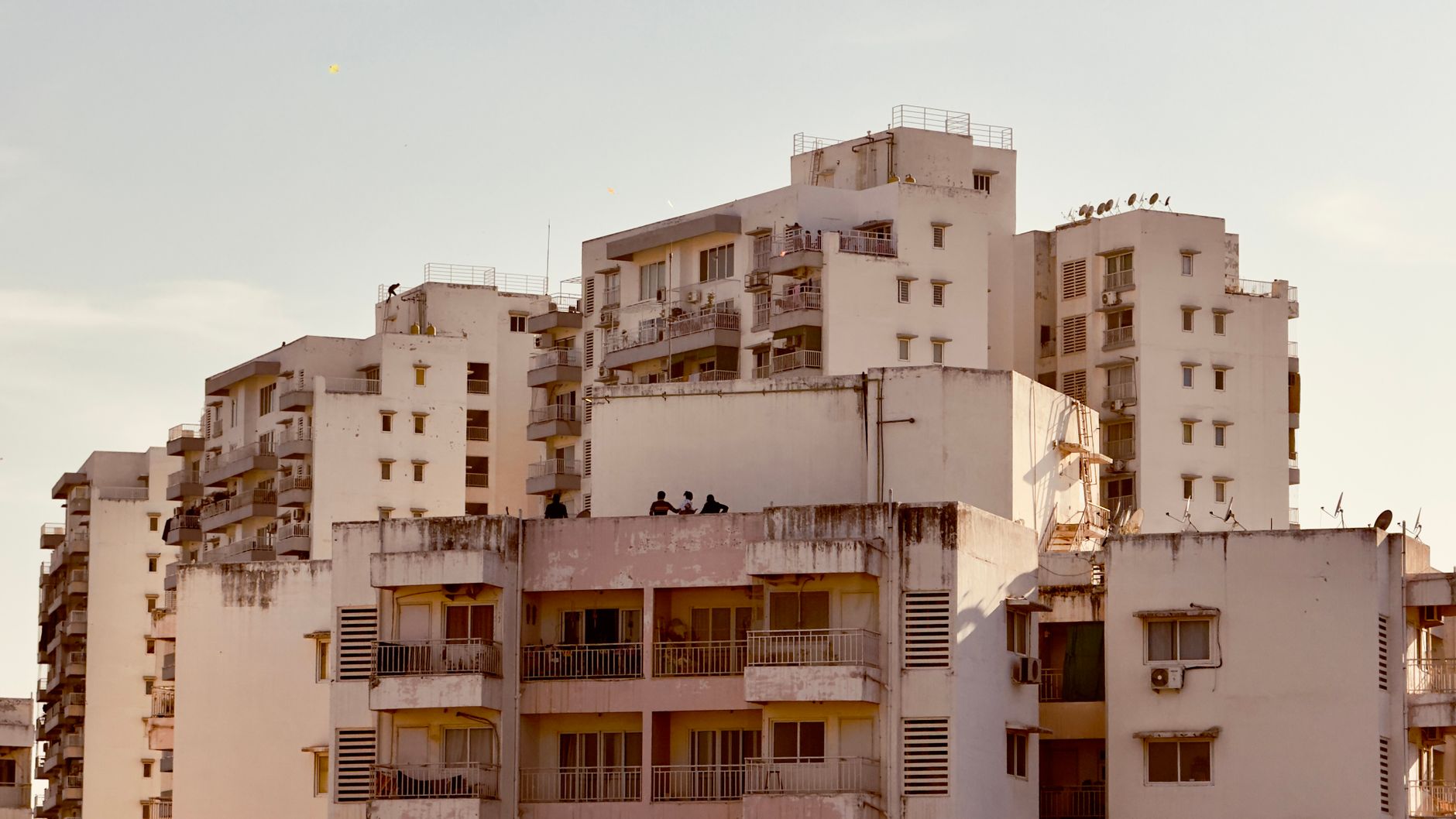
Photo: VAIBHAV PIXELS / Pexels
Cool Roofs: How White Paint Can Cut Your Indoor Heat
As June bakes much of India past 44C, the most overlooked weapon against the heat is not an air conditioner but a tin of white paint. A cool roof — a roof coated in reflective, light-coloured material — can lower the temperature inside the floor below it by roughly 2 to 4C, slashing both your electricity bill and your misery. It is one of the cheapest, fastest climate fixes available to an ordinary household, and one Indian state has already made it law.
The physics is almost embarrassingly simple. A dark or bare-concrete terrace absorbs most of the sunlight that hits it and radiates that heat downward into your home all evening. A white surface bounces a large share of that sunlight straight back to the sky. The result is a roof that stays cooler to the touch and a top-floor room that no longer feels like an oven after sunset.

What a cool roof actually is
A cool roof is any roofing surface designed to reflect sunlight and release absorbed heat quickly. In Indian conditions that usually means one of three things: a coat of white lime wash (the traditional, dirt-cheap option), a factory-made reflective acrylic or elastomeric coating, or light-coloured reflective tiles and membranes on newer buildings.
The number that matters is the Solar Reflectance Index (SRI) — a combined measure of how much sunlight a surface reflects and how fast it sheds heat. A fresh white coating can reach an SRI well above 80, while old grey concrete sits closer to 20. The higher the SRI, the cooler the roof. When you buy a cool roof product, the SRI or solar reflectance value on the label is the single most useful spec to compare.
Importantly, a cool roof is not the same as a green roof or a solar roof. It does not grow plants or generate power — it simply refuses to soak up heat. That makes it far cheaper and lighter than the alternatives, and it works on the vast majority of Indian homes that have a flat concrete terrace.
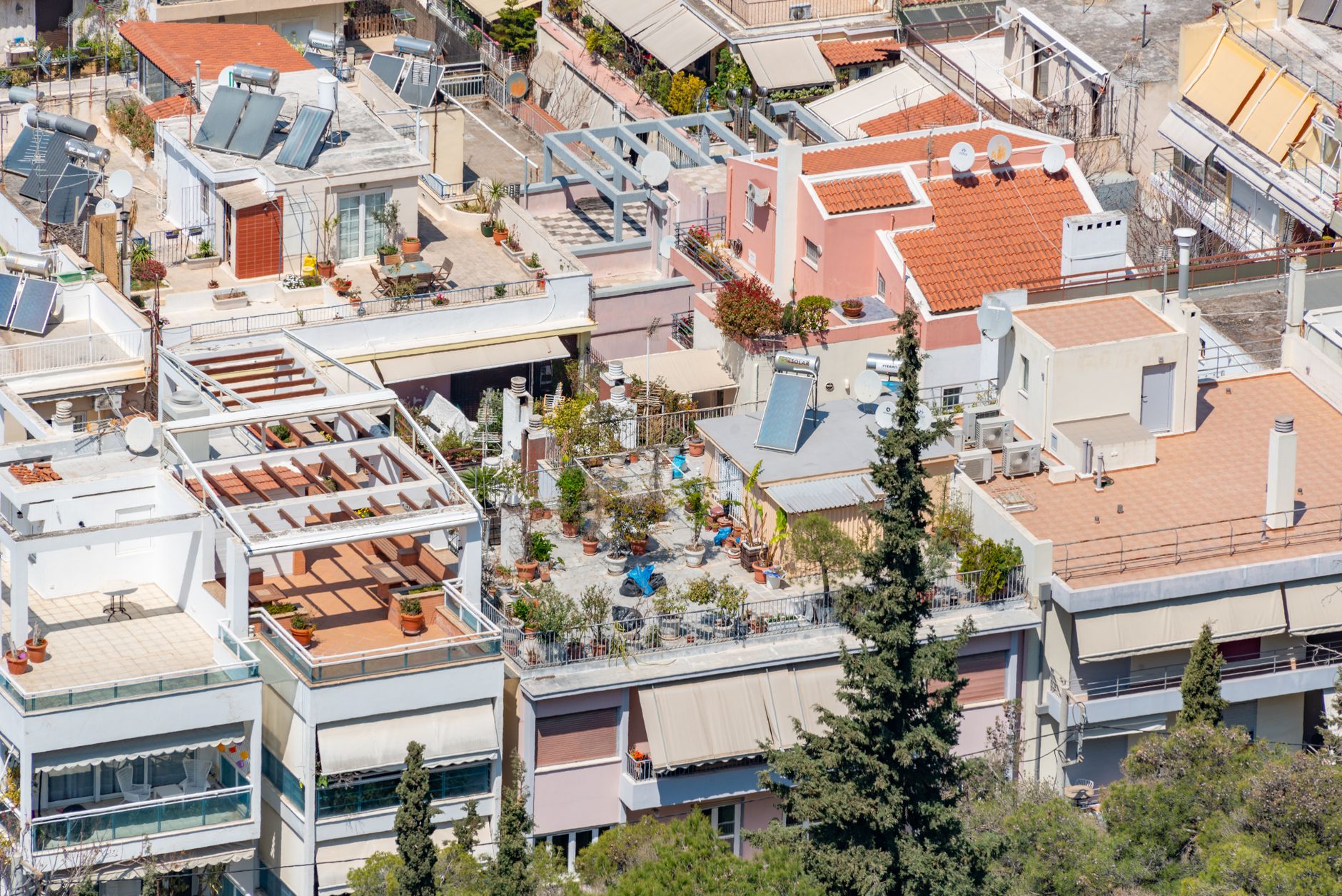
Telangana wrote India's first rulebook
In April 2023, Telangana launched what is widely regarded as India's first Cool Roof Policy, a five-year plan running through 2028. The headline ambition is striking: cover roughly 300 square kilometres of roof area across the state with reflective surfaces and save an estimated 600 million units of electricity a year.
The policy is not merely a suggestion. It is mandatory for residential plots of 600 square yards and above and for all government and commercial buildings, which must adopt cool roofing to get building approvals and occupancy clearances. For smaller homes it remains voluntary, but the state actively encourages it because the savings scale down just as neatly.
Why does a government bother legislating paint colour? Because the gains add up at city scale. Studies cited in the policy work suggest cool roofs can cut a building's air-conditioning energy use by up to 20%, and that blanketing a city in reflective roofs and pavements — plus shade trees — could shave as much as 2C off peak summer street temperatures. That last point is the real prize.
The urban heat island, and why this matters
Indian cities are measurably hotter than the countryside around them, a phenomenon called the urban heat island. Concrete, asphalt and dark rooftops absorb sunlight all day and breathe it back out at night, so dense neighbourhoods barely cool down after dark. For people without air-conditioning — the majority — those sleepless, sweltering nights are not a discomfort but a genuine health risk.
Cool roofs attack the problem at its source. Multiply one reflective terrace across a whole locality and you reduce the ambient heat that everyone, indoors and out, has to endure. It is a rare climate measure that helps the person who installs it and their neighbours at the same time.
There is an equity angle too. The households most exposed to extreme heat are often the ones in tin-roofed or single-room concrete homes with no AC and no insulation. A few hundred rupees of reflective coating delivers them a bigger temperature drop than it would a well-insulated bungalow — which is exactly why heat action plans across Indian cities increasingly push cool roofs in low-income settlements.
How to cool your own roof, step by step
You do not need to wait for a policy. Any homeowner with a flat terrace can do this in a weekend. Here is the practical sequence:
- Clean and repair first. Sweep the roof, scrub off algae and dust, and seal any cracks. Coating over a dirty or leaking surface is wasted money — reflectivity needs a clean base, and a cool coat is not a substitute for waterproofing.
- Pick your material. For the lowest cost, white lime wash (chuna) mixed to a thick consistency works and has cooled Indian roofs for generations. For durability, choose a reflective acrylic or elastomeric roof coating sold specifically as a cool roof or heat-reflective paint.
- Check the label. Favour a high solar reflectance / SRI rating and, ideally, a product that also offers some waterproofing.
- Apply two coats. Use a roller or brush on a dry day, let the first coat cure, then add a second for full opacity and reflectance. A bright, even white is the goal — patchy grey defeats the purpose.
- Re-coat on schedule. Lime wash may need refreshing every year or two; quality acrylic coatings typically hold their reflectivity for around four to five years before a touch-up.
On cost, expect a wide range. A basic lime-wash job can run as little as 15 rupees per square foot in materials, while branded elastomeric cool coatings land closer to 40 to 60 rupees per square foot. Even at the top end, the payback through lower fan and AC use often arrives within a couple of summers.
The catches worth knowing
Cool roofs are powerful but not magic, and a few honest caveats matter.
- Reflectivity fades. Dust, monsoon grime and algae dull a white roof over time, dragging down its SRI. The fix is periodic cleaning and recoating, not a one-time job.
- Glare and runoff. A brilliant white terrace can throw glare onto neighbours and, in rare cases, push extra reflected heat onto adjacent walls. Sensible placement and matte-white finishes ease this.
- It is not insulation. A cool roof reduces how much heat enters; it does not trap or block it the way insulation does. The two work best together, especially in homes that also run heating in winter, where a reflective roof can slightly raise heating needs in cold regions — a minor issue across most of India.
- Waterproofing is separate. Plain lime wash adds no leak protection. If your terrace already seeps, fix that with a proper membrane first or choose a coating that explicitly bundles waterproofing.
What comes next
Telangana's experiment is being watched closely, and elements of cool-roof thinking are spreading into city heat action plans, building codes and slum-upgrade schemes elsewhere in India. As heatwaves lengthen and grids strain under AC demand, expect more states to nudge or mandate reflective roofs, and more cool-roof products to hit the market with verified reflectance ratings.
For now, the technology is sitting in plain sight at your local paint shop. A cool roof will not replace an air conditioner on the worst days, but it will take the cruel edge off your top floor, trim your bill, and cool the street a fraction for everyone around you — all for the price of a few cans of white paint and an afternoon's work.