Photo: Pixabay / Pexels
Curiosity Crosses a Martian Boundary No Rover Has Seen
Somewhere on the slopes of a Martian mountain sits a pattern of ridges that exists nowhere else on the planet. NASA's Curiosity rover has spent roughly six months crawling through a field of crisscrossing stone ribs called boxwork — a honeycomb of low walls and sandy hollows that neither the rover's cameras nor any spacecraft circling overhead have spotted anywhere else on Mount Sharp. Now Curiosity has driven straight out of that one-of-a-kind terrain and across a long-awaited geological boundary into new ground, carrying with it a question scientists still can't fully answer: why did this strange landscape form here, and only here?
A landscape that appears in exactly one place
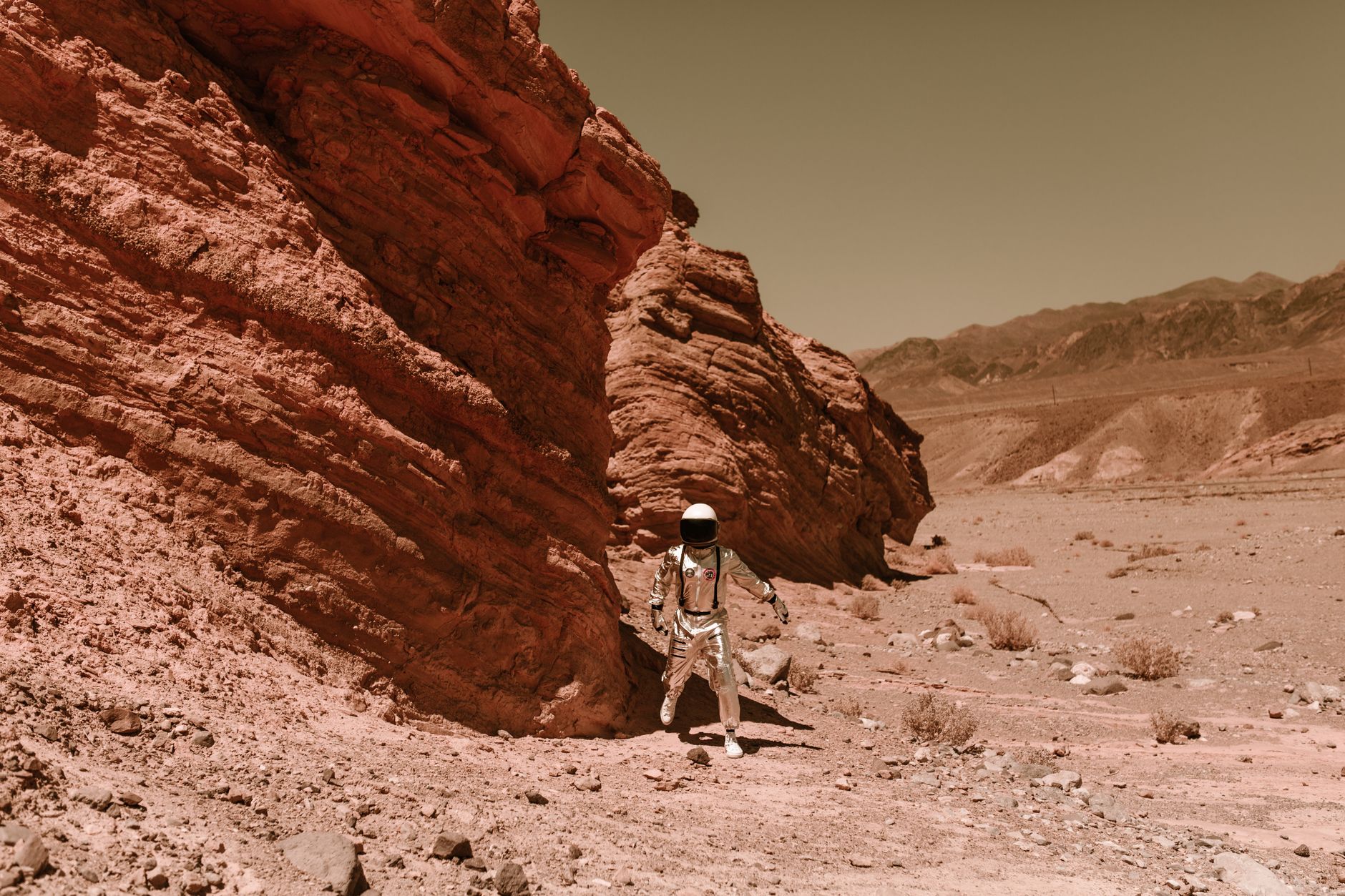
The boxwork formations look almost man-made. Picture a web of crumbling stone curbs, most of them only a few inches tall, fanning out across a layer of the mountain for miles. Between the ridges lie shallow, sand-filled pockets. From a distance the whole field resembles a cracked, hardened net laid over the rust-coloured slope.
What makes it remarkable isn't just the shape. It's that this exact pattern shows up in a single layer of Mount Sharp and nowhere else — not elsewhere on Curiosity's long climb, and not in the eyes of the orbiters that have mapped Mars for decades. Curiosity's project scientist summed up the puzzle bluntly, noting that the big mystery is why the ridges hardened into these large patterns, and why only in this spot.
How the ridges were built — by water that should have been gone
The leading explanation reads like a slow-motion recipe written over a billion years. Long ago, groundwater seeped through the rock and deposited minerals inside its cracks and fractures. Those mineral veins set like natural cement, far tougher than the stone around them. Then, across vast stretches of time, wind erosion scoured away the softer rock and left the hardened veins standing proud — the ribs we see today.
The twist is in the timing. This particular layer is rich in magnesium sulfates, salts that form as water dries up. Finding evidence of flowing groundwater inside a layer that records Mars drying out suggests water lingered in the subsurface later, and lower, than many scientists expected. In other words, even as the surface of Mars turned to desert, liquid water was still moving underground.
Why this matters for the question of life
For anyone wondering whether Mars was ever habitable, that detail is the heart of the story. Surface water on early Mars is well established. Underground water that persisted after the planet's wetter era is a different and arguably more tantalising clue.
Here's why it lands so hard:
- Subsurface water means there could have been sheltered, stable environments below ground long after the surface became hostile.
- Those environments would have been protected from radiation and the brutal swings of Martian surface conditions.
- The minerals left behind are exactly the kind of chemistry that can preserve records of ancient conditions for Curiosity to read.
None of this is proof of life. It's something subtler and, in its own way, more useful: evidence that the opportunities for life stretched deeper into Mars' history than the dried-up surface alone would suggest.
A rover that has been climbing a mountain since 2014
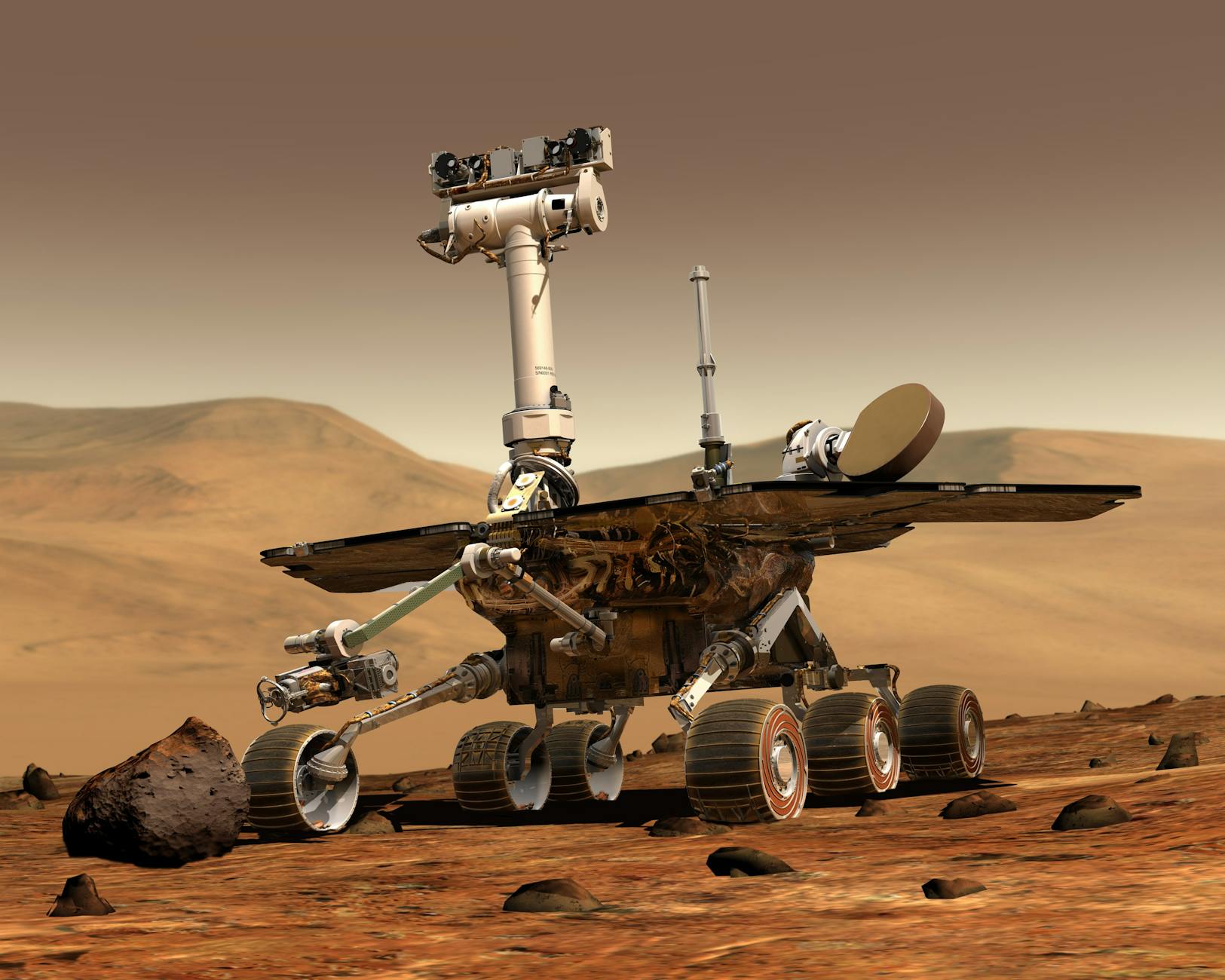
It's worth remembering the scale of what Curiosity is doing. The car-sized rover landed inside Gale Crater on 6 August 2012, and since 2014 it has been methodically driving up Mount Sharp, a layered mound that rises roughly 5.5 km (about 3.4 miles) from the crater floor. Each layer the rover crosses is effectively a page in a stacked geological diary, with the oldest chapters near the bottom and younger ones higher up.
Climbing the mountain, then, is a way of reading Martian history in order. The shift from clay-bearing rocks lower down to sulfate-rich layers higher up traces a planet gradually losing its water. The boxwork sits within that drying narrative, which is part of why its waterlogged origin story is so intriguing — it's a wet fingerprint pressed into a chapter about going dry.
Crossing the boundary into new terrain
In the spring of 2026, after months of mapping ridges with names like Valle Grande, Kimsa Chata, El Misti and Paniri, Curiosity reached the southern edge of the boxwork field. Over a short sequence of drives — a 35-metre push, then 39 metres, then a final 11-metre nudge — the rover most likely rolled across the boundary between the boxwork structures and the sulfate unit beyond. Mission scientists framed it plainly: Curiosity was leaving the boxwork terrain behind in search of new discoveries.
That new ground is layered-sulfate bedrock, the first such material the rover encountered after departing the boxwork. The hidden structure here isn't a web of ridges but the fine banding inside the rock itself — alternating light and dark layers that record shifting ancient conditions, captured in detail by Curiosity's cameras as it moved through buttes, troughs and outcrops.
What the drill is digging for next
By mid-2026 the rover had begun a fresh drill campaign at a site called Atacama, boring into the layered sulfate to pull up a powdered sample. The plan is to feed that powder to CheMin, an onboard instrument that uses X-ray diffraction to read out a rock's exact mineral makeup, while other tools study the surface chemistry of nearby targets.
The real prize is a comparison. Scientists want to line up the minerals at Atacama against a sample drilled earlier at a site called Mineral King, roughly 160 metres (about 525 feet) lower down the mountain. If the sulfate chemistry changes between those two elevations, it traces how water and climate shifted as Mars climbed toward its dry present — a vertical timeline written in salt.
That's the quiet power of this mission. Curiosity isn't sprinting toward a single headline. It's reading a mountain layer by layer, and every so often it stumbles onto something — a web of ancient water-cemented ridges that exists in just one place — that reminds everyone how much of Mars we still haven't met. The rover has crossed into terrain no machine has studied up close before, and the next chapter is already being drilled out of the rock.