Photo: panumas nikhomkhai / Pexels
Delhi EV Policy 2026: Petrol Two-Wheeler Ban by 2028 Explained
India's electric-vehicle conversation has, for five years, been a story of carrots: cash incentives, tax waivers and cheap registration designed to nudge buyers toward batteries. The Delhi EV Policy 2026 quietly rewrites that script. Buried in a 92-page draft is a far blunter idea — that at some point, the gentle nudging has to stop and the rules have to bite. If the proposal becomes law as written, Delhi will become the first large Indian city to set a hard date after which you simply cannot register a new petrol or CNG scooter or motorcycle. That date is April 1, 2028, and it is closer than it sounds.

What The Delhi EV Policy 2026 Actually Proposes
The Delhi government released the Draft Delhi Electric Vehicle Policy 2026-2030 on April 11, 2026, opening it for 30 days of public feedback that closed in mid-May. On paper it reads like every previous EV scheme — purchase subsidies, scrapping bonuses, charging targets. What makes it different is the regulatory spine running through it.
The headline measure is the phase-out of internal combustion two-wheelers. From April 1, 2028, the draft proposes that only electric two-wheelers be allowed fresh registration in the capital. Petrol and CNG scooters and bikes already on the road are not being confiscated, but the showroom door for new ones would close.
Three-wheelers face an even tighter clock. The draft proposes that from January 1, 2027, only electric three-wheelers can be newly registered in Delhi. For the city's vast fleet of autos and e-rickshaws, that is barely months away. Commercial and aggregator fleets — the bike-taxi and last-mile delivery economy that has exploded post-pandemic — get their own squeeze, with new combustion vehicles for aggregator operations being pushed out and existing ones given deadlines to switch.
The philosophical shift is the real news. Earlier policies asked Delhiites to go electric. This one, increasingly, tells them to.

From Carrots To Sticks: Why The Approach Changed
The reasoning is depressingly familiar to anyone who has spent a November in north India. Delhi's winter air routinely collapses into the 'severe' band, and tailpipe emissions from the city's millions of two- and three-wheelers are a stubborn, year-round contributor that smog towers and odd-even schemes never truly fixed.
Incentive-only policies had also begun to show diminishing returns. Subsidies are expensive, they expire, and the moment they shrink, EV sales tend to wobble — a pattern seen across several Indian states. By writing a registration cut-off into law, Delhi is trying to create the one thing subsidies cannot: certainty. A manufacturer planning a factory, a dealer planning inventory, a fleet operator planning a five-year loan — all of them can now see exactly when the combustion two-wheeler stops being a viable product in the capital.
That certainty cuts both ways. It gives industry a planning horizon, but it also removes the buyer's escape route. For a delivery rider earning on thin margins, 'you must buy electric by 2028' lands very differently than 'here's a discount if you'd like to.'
The Money: Subsidies, Scrapping And A ₹3,954-Crore Bet
Delhi is not relying on mandates alone. The draft carries a total proposed outlay of roughly ₹3,954 crore, split across purchase incentives, scrapping bonuses and charging infrastructure — a sizeable public bet meant to soften the transition rather than simply enforce it.
For electric two-wheelers priced up to about ₹2.25 lakh, the draft proposes subsidies linked to battery capacity, starting around ₹10,000 per kWh in the first year up to a cap of roughly ₹30,000, then tapering over three years. The taper is deliberate: the state wants to support early adopters while signalling that the free money will not last forever.
Scrapping is where the policy gets aggressive. Owners who scrap an old, polluting Delhi-registered two-wheeler and buy an EV could claim a bonus, and a much larger scrapping incentive — reportedly up to ₹1 lakh for eligible older vehicles paired with a new EV purchase — is on the table for the first lakh of applicants. Three-wheeler owners are offered their own scrapping sweetener. The intent is to pull the dirtiest, oldest vehicles off the road first, where the pollution payoff is highest.
There is also a quiet structural shift on tax. Since 2020, every EV in Delhi enjoyed full exemption from road tax and registration fees. The new draft proposes capping that exemption at EVs priced up to ₹30 lakh until March 2030. In plain terms, a mass-market electric scooter or hatchback keeps its perks, while a ₹70-lakh-plus luxury electric SUV would start paying — a recognition that public subsidy should chase clean air for the many, not discounts for the few.
The Hybrid Twist Nobody Expected
One of the draft's most debated lines concerns strong hybrids. Rather than treating them as just-another-petrol-car, the policy proposes a 50 percent exemption from road tax and registration fees for strong hybrids priced up to ₹30 lakh.
This is a meaningful olive branch to carmakers who bet on hybrid technology — the kind of self-charging petrol-electric setups found in popular mid-size models — and who have long complained that Indian policy unfairly lumps them with conventional engines. For buyers nervous about charging access, a half-price tax break on a hybrid offers a genuine middle path. Critics counter that hybrids still burn fuel and that handing them benefits dilutes the zero-emission message. Either way, it signals a more pragmatic, less purist version of electrification than the headline two-wheeler ban suggests.
Can The Charging Grid Keep Up?
A registration ban is only as credible as the infrastructure behind it, and this is where the policy faces its hardest test. Telling millions of riders to go electric is meaningless if they cannot reliably charge.
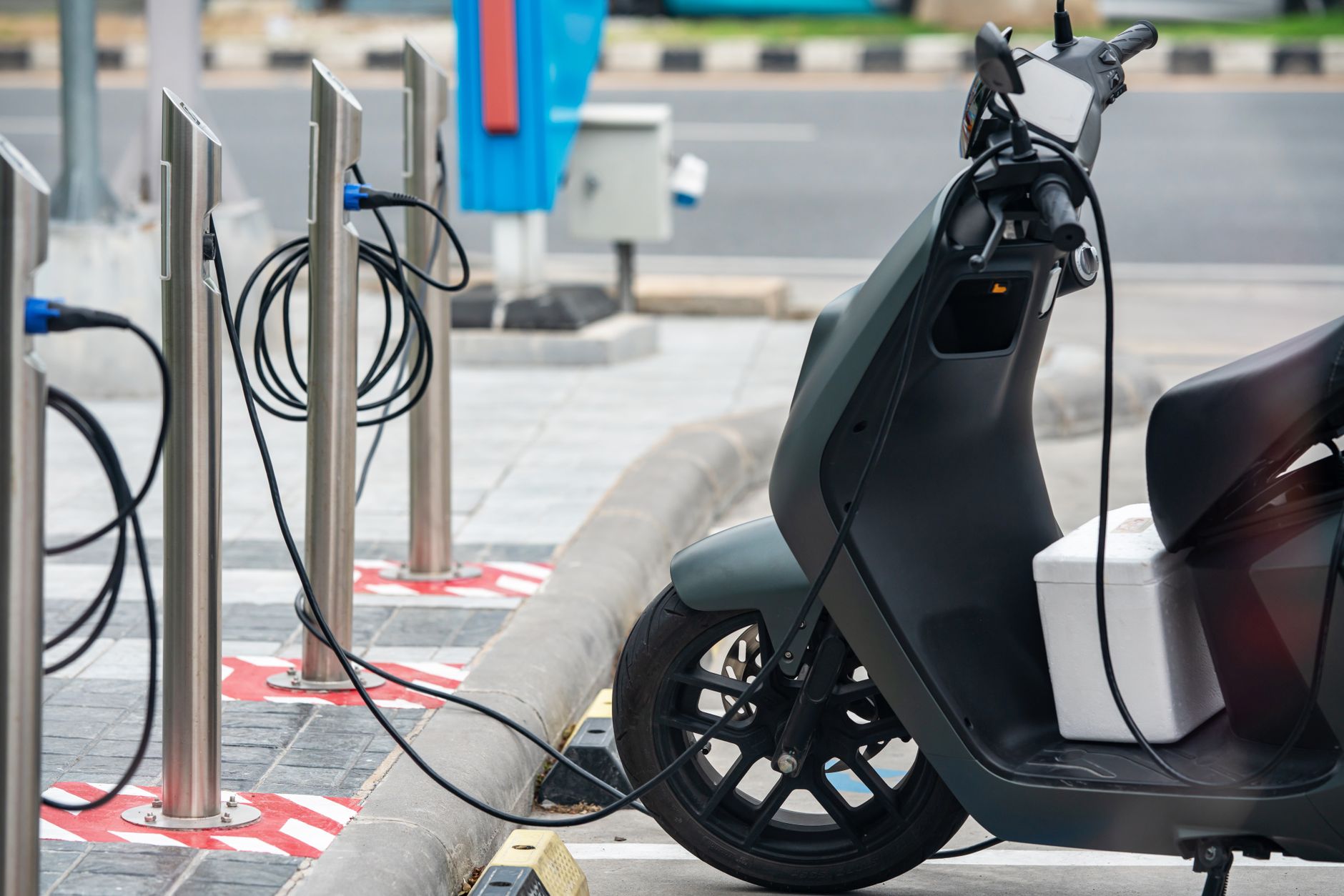
The draft tries to address this from the supply side, proposing that vehicle dealers set up public charging — with requirements such as every dealer deploying at least one public station with multiple charging points aimed at two- and three-wheelers. A dedicated chunk of the budget, on the order of ₹1,000 crore, is earmarked for charging infrastructure. The bet is that combining dealer obligations with public funding can finally close the gap between EV ambition and on-ground reality.
The sceptics have history on their side. Delhi has announced charging targets before and missed them. Apartment-dwellers without dedicated parking, gig workers who cannot afford downtime to charge, and the sheer density of the city all complicate the rollout. The 2028 deadline effectively dares the administration to build faster than it ever has.
What Comes Next, And Why It Matters Beyond Delhi
It is worth stressing that this is still a draft. Public feedback has been gathered, industry bodies and rider unions have lobbied, and the final notified policy could soften the dates, tweak the subsidies or carve out exemptions. Past Delhi EV policies have shifted noticeably between draft and law.
But even as a statement of intent, the document matters far beyond the capital's borders. Delhi is India's most-watched policy laboratory; what it tries on air pollution tends to ripple outward to other states and, eventually, into national thinking. A successful, enforceable two-wheeler phase-out here would give other smog-choked cities a template — and the political cover — to follow. A messy, infrastructure-starved rollout would hand sceptics across the country a cautionary tale.
For the ordinary Delhi commuter, the takeaway is simpler. The era of being asked nicely to consider an EV is ending. Over the next two to three years, the question quietly shifts from whether to go electric to when — and the government has now put a date on the calendar.
Source: autocarindia.com


