
Photo: Tomás Asurmendi / Pexels
Old Car in Delhi-NCR? Scrap It, Sell It, or Move It Out
If you own a diesel car that has crossed 10 years or a petrol car past 15 years and it is registered in Delhi-NCR, the clock has already run out. Since 1 July 2025, such vehicles are formally treated as end-of-life vehicles (ELVs), and the rules around them have hardened. They cannot ply on Delhi roads, fitness certificate or not. The question is no longer whether you keep the car. It is which of three exits costs you the least.
The three doors are: send it to a scrapyard, take a No Objection Certificate and move it to another state, or sell it to a buyer who can legally run it elsewhere. Each has a different payout and a different paperwork trail. Picking the wrong one can mean losing the car to seizure with nothing in your pocket.
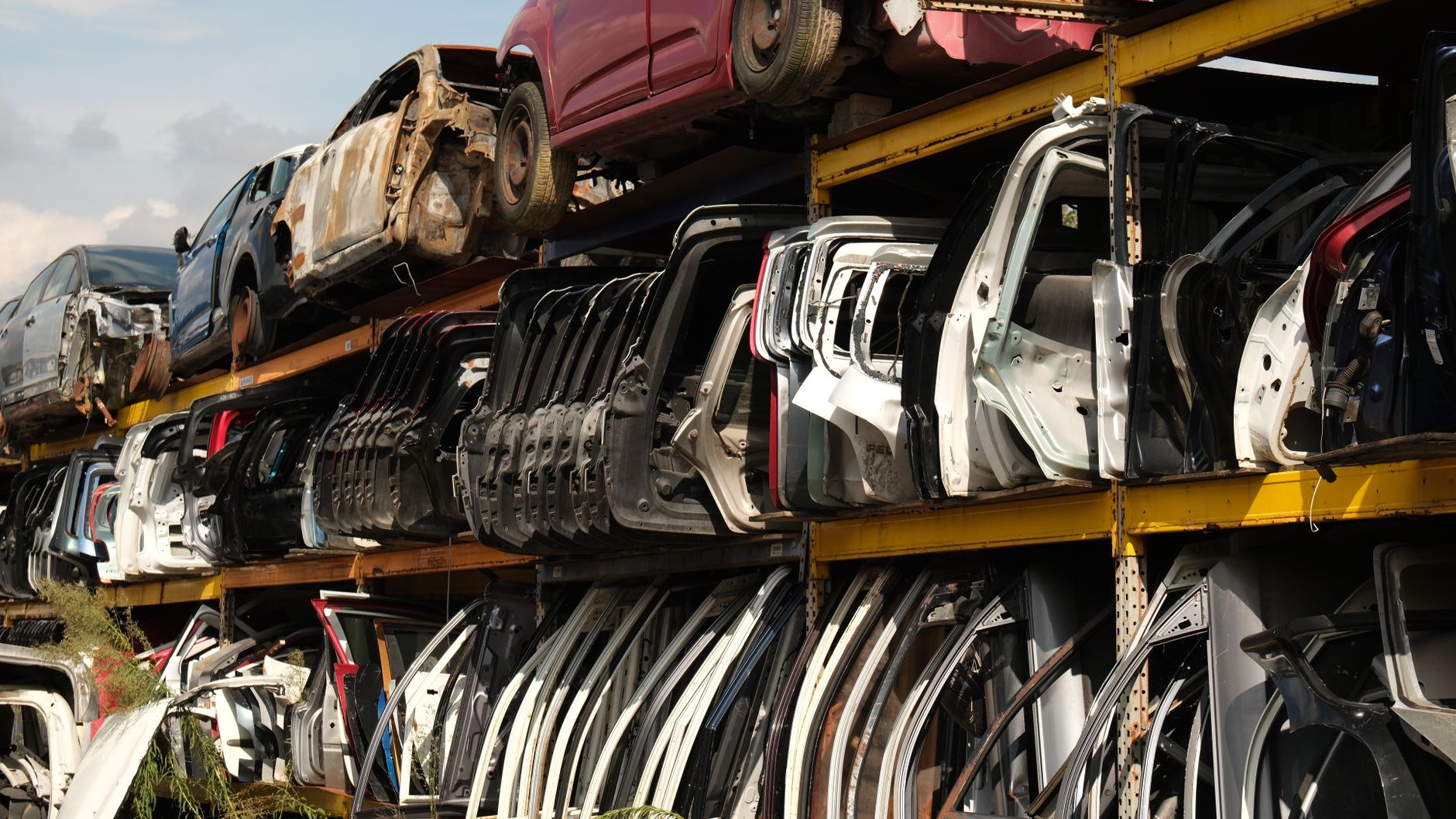
Why your old car suddenly became illegal
The age caps come from a long line of National Green Tribunal and Supreme Court orders aimed at Delhi's air. A diesel vehicle over 10 years and a petrol vehicle over 15 years are deemed too polluting to operate in the NCR, even if the engine runs fine and the body is spotless. This is an age rule, not a condition rule, which is what frustrates owners of well-kept cars.
Enforcement is the part that has teeth. An ELV spotted within Delhi can be impounded and sent directly for scrapping, often without a separate notice to the owner. Running one can attract a fine of up to ₹10,000 for a four-wheeler, plus towing and parking charges. The fuel-pump denial drive using number-plate cameras has been switched on and paused more than once, but the seizure power itself never went away. Treat the car as un-drivable inside NCR from day one of crossing the limit.
Door 1: Scrap it and bank the certificate
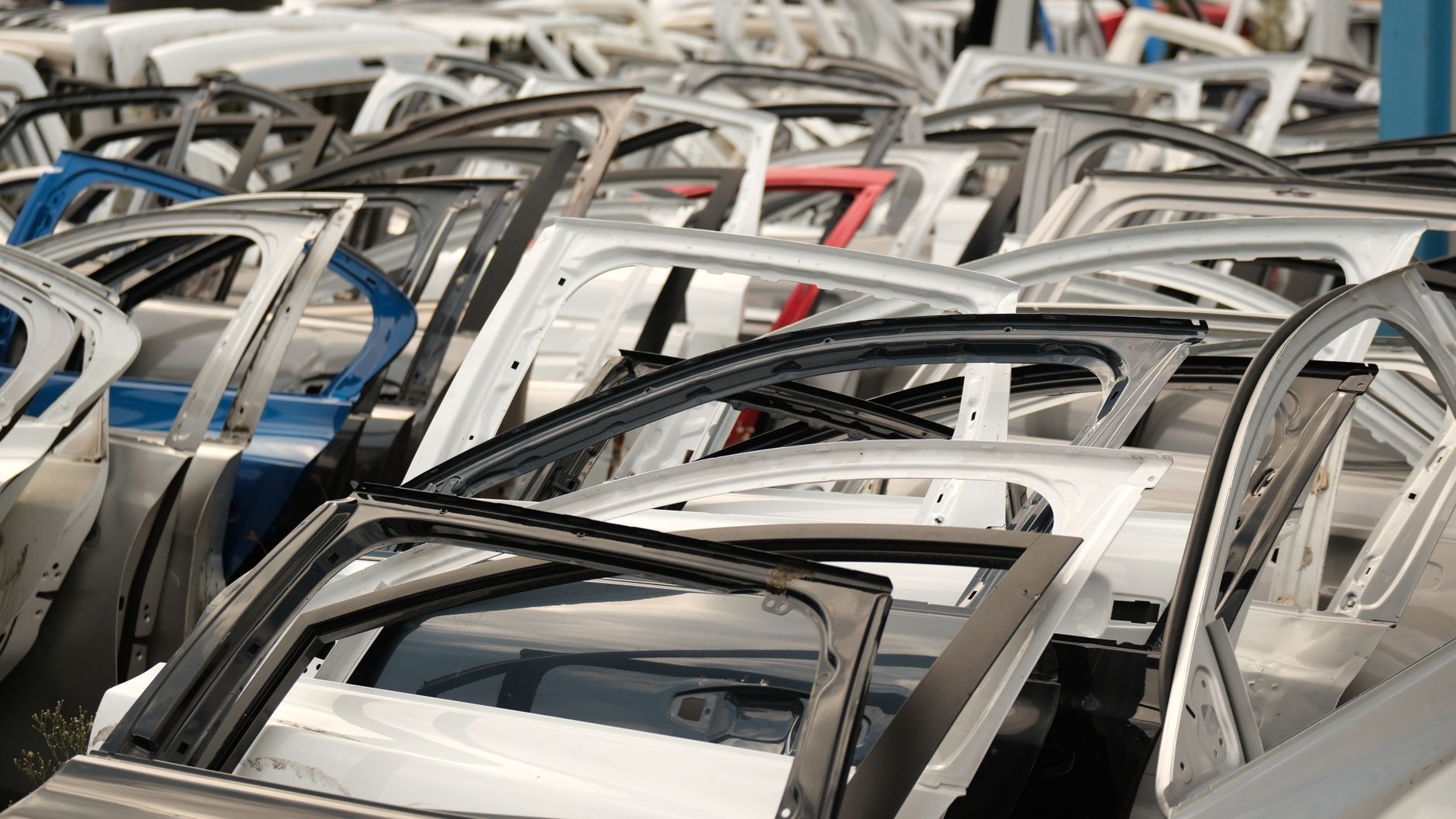
Scrapping sounds like the loss-making option, but the government has deliberately sweetened it. You take the car to a Registered Vehicle Scrapping Facility (RVSF), an authorised yard, and in return you get two things: cash for the metal, and a Certificate of Deposit.
The cash is modest, usually in the range of ₹20,000-40,000 for a mid-size car, tied to scrap metal weight and prevailing prices. The certificate is where the real value sits. It is valid for two years and bundles three incentives that stack automatically when you buy your next vehicle:
- Road tax rebate of up to 25% on a new personal vehicle (states like Gujarat and Maharashtra offer the full slab; others are still finalising theirs)
- A waiver of the registration fee on the new vehicle
- An OEM loyalty discount, typically ₹15,000-50,000, offered by makers such as Maruti Suzuki, Hyundai and Tata
Hand the certificate to the dealer with your other documents and the discounts are adjusted into the on-road price. You do not negotiate each one separately. If you were going to buy a new car anyway, scrapping is often the financially smartest exit once you add up all three benefits against the low resale value of a banned vehicle.
Door 2: Get an NOC and move the car out
A Delhi car is illegal in Delhi, but the same car may be perfectly legal in a state with different age rules. Most states outside the NCR allow vehicles to run for their full registration life, commonly 15 years for both petrol and diesel, with renewals after a fitness test. So you can move the car to, say, Uttar Pradesh beyond the NCR districts, or to a state where it still has road life left.
To do this you need a No Objection Certificate (NOC) from the Delhi RTO. A welcome relaxation now lets you apply for the NOC at any time, even if the registration lapsed years ago, which earlier trapped many owners. Once you have the NOC, the vehicle must be re-registered in the new state and you pay that state's road tax (often with a refund claim available on the unused Delhi tax).
The catch is real and worth saying plainly. A 10-year-old diesel has no second life left under a 15-year cap, so this route works best for petrol cars with several years to spare, or for diesels still well short of a decade. Confirm the destination state will actually accept and re-register the vehicle before you spend on transport and paperwork. Re-registering a car that is already near its limit is throwing good money after a dead asset.
Door 3: Sell it, but only the right way
Selling feels easiest, and it can be, provided the buyer can legally use the car. The honest market for an NCR ELV is buyers located outside the NCR who will themselves take the NOC route and re-register the vehicle in a cleaner zone. That instantly narrows your pool and pulls down the price.
Do not sell to anyone who plans to keep running it inside Delhi-NCR. The liability does not vanish at handover the way people assume. Until ownership is formally transferred and the car is out of your name on the Vahan database, a seizure or a violation can still trace back to you. The safe sequence is: agree the sale conditional on an NOC, complete the ownership transfer, then let the buyer re-register it in their state.
If a so-called dealer offers you a quick cash price with vague paperwork, walk away. A car that disappears into the grey market while still registered to you is a problem waiting to surface.
The decision in plain numbers
Here is how to think about it without overcomplicating things:
- Buying a new car soon? Scrap at an RVSF. The Certificate of Deposit's tax rebate, fee waiver and OEM discount usually beat what a banned car fetches in resale.
- Car is petrol with years of life left? The NOC and out-of-state route preserves the most value, because the car stays usable.
- Car is diesel near or past 10 years? Scrapping is realistically the only clean exit; re-registration elsewhere rarely works at that age.
- Selling privately? Only to an out-of-NCR buyer, only after a proper NOC and transfer. Never for cash-in-hand with loose paperwork.
Paperwork to keep ready
Whatever door you pick, the file is similar: the original Registration Certificate (RC), a valid insurance document, your PAN and address proof, and the car's chassis and engine numbers. For an NOC, you also need a no-dues confirmation on road tax and any pending challans cleared. For scrapping, the RVSF handles the de-registration on Vahan and issues the certificate; make sure that de-registration actually reflects online before you consider the matter closed.
The worst outcome is doing nothing. A parked ELV that gets towed off the street earns you no scrap value, no certificate and no resale, just a recovery fee to get the carcass back. Decide early, keep the documents clean, and pick the exit that matches your car's fuel and age rather than your attachment to it.


