Photo: Fahad Puthawala / Pexels
E20 Petrol: What 20% Ethanol Really Does to Your Car
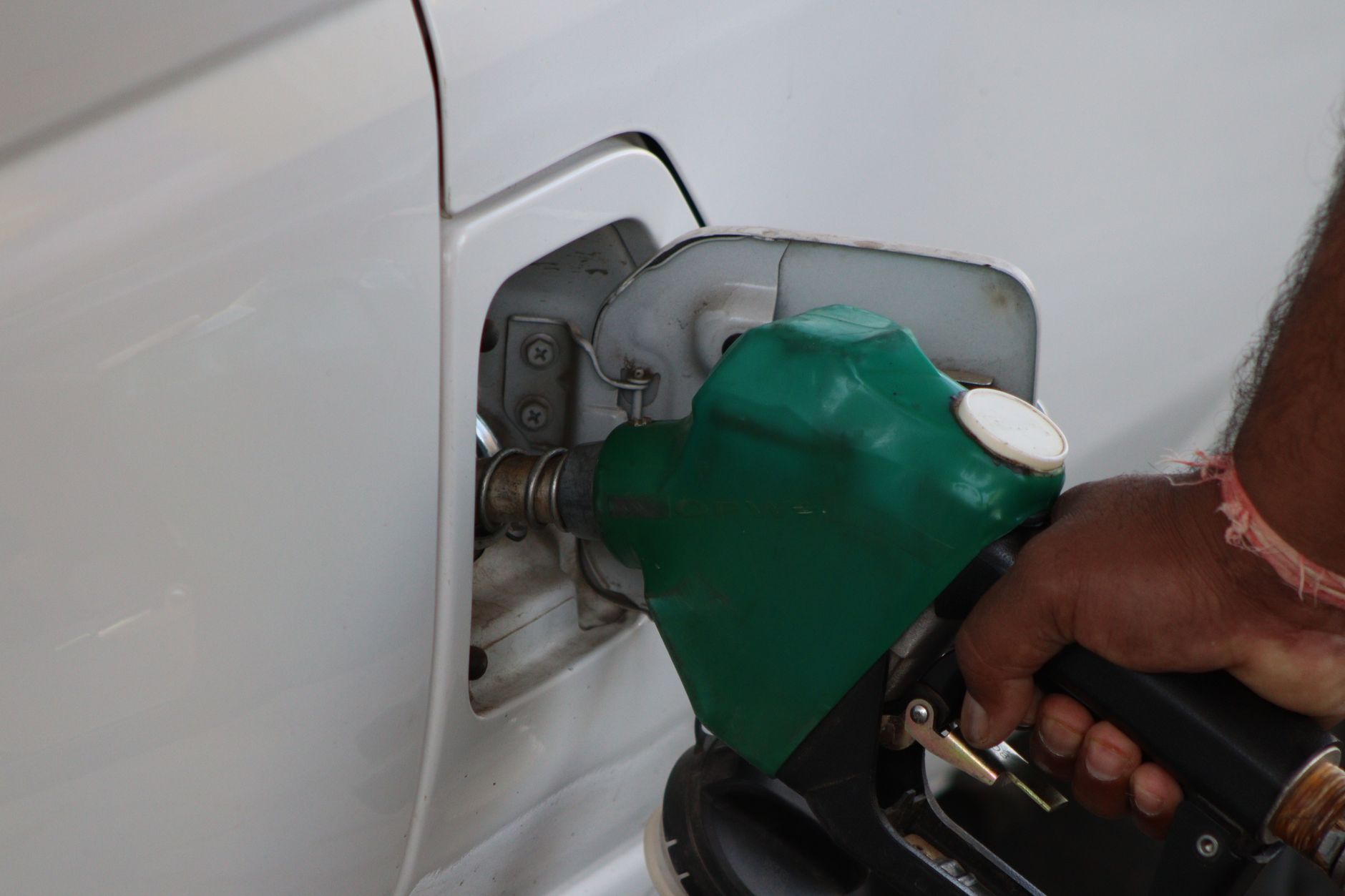
E20 petrol is no longer a future plan or a pilot project — it is what comes out of the nozzle when you fill up at almost any pump in India today. The country quietly hit its 20% ethanol-blending target around early 2025, roughly five years ahead of the original 2030 deadline. For most drivers the switch happened invisibly: no new grade to select, no warning sign, just a different fuel in the same tank. The questions only started later, when the mileage gauge began telling a slightly different story.
If you own a car bought before 2023, you have probably heard the rumours — that ethanol "eats" engines, slashes fuel economy, or voids your warranty. The truth is more nuanced and far less scary than the panic suggests. This is a practical guide to what E20 actually does, why your mileage may have dipped, and what you should and shouldn't worry about.

What E20 actually is
The name is simply chemistry shorthand: E20 means 20% ethanol blended with 80% petrol. Ethanol is an alcohol distilled mainly from sugarcane molasses and surplus grain — a domestically produced fuel that India has been pushing hard to cut its crude-oil import bill and trim tailpipe emissions.
The blending ladder climbed steadily over the past decade: from E5 to E10, and now to E20 as the national average. Earlier blends were mild enough that almost nobody noticed. At 20%, the proportion of alcohol is finally high enough to change how the fuel behaves in your tank and engine — which is exactly why it has become a talking point.
Why your mileage dropped
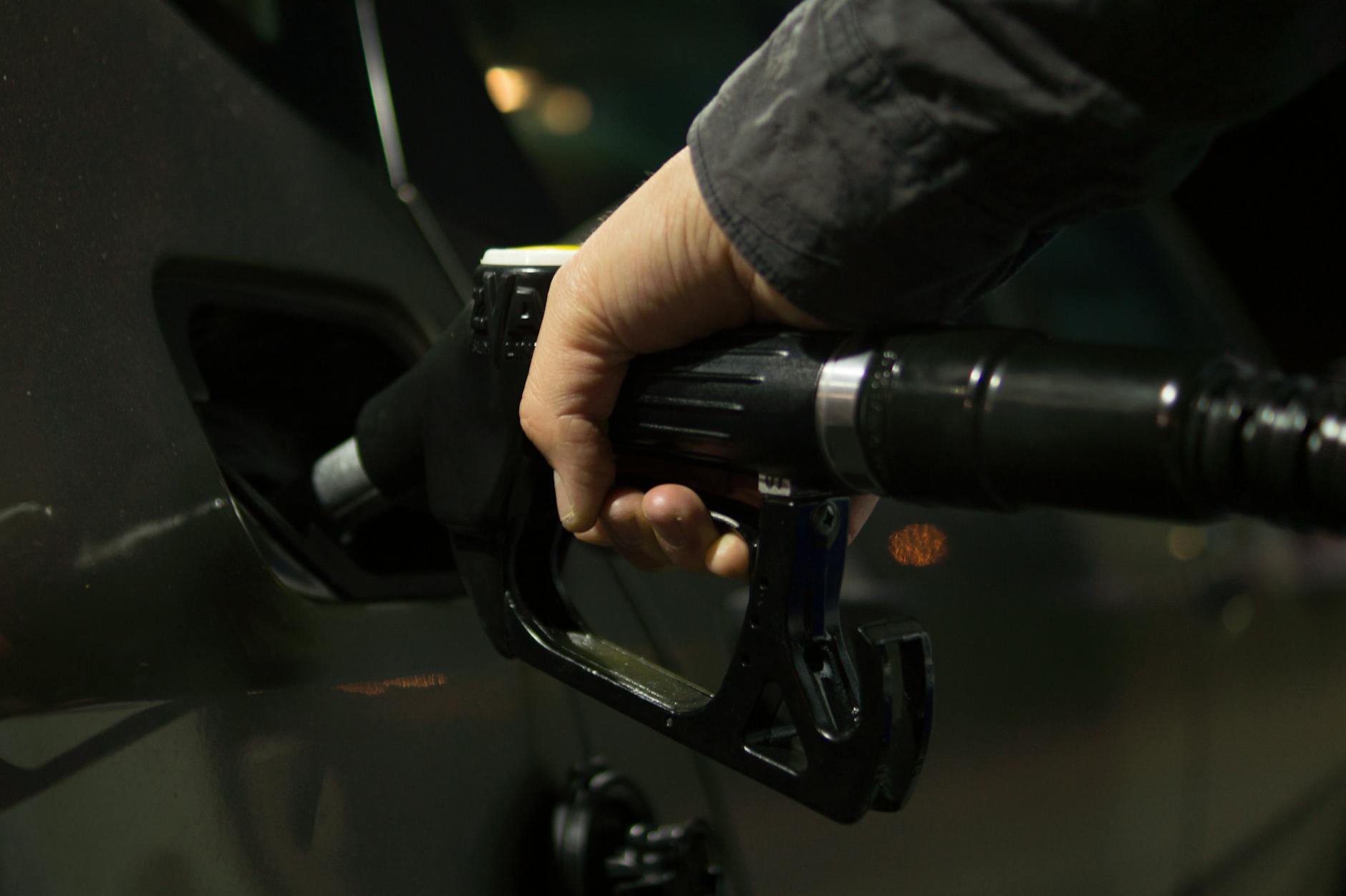
The core issue is energy density. Ethanol contains noticeably less energy per litre than petrol — only about two-thirds as much. Burn a litre of E20 and you simply get fewer kilometres of usable energy out of it than you did from older, lower-ethanol fuel.
The official numbers are modest. India's petroleum ministry has acknowledged a mileage dip of roughly 1-2% in newer, E20-tuned cars and up to about 6% in older vehicles that were never optimised for it. Those figures sound small, but real-world surveys tell a louder story: in one widely cited consumer poll, around 8 in 10 owners of cars bought in 2022 or earlier reported a fall in fuel efficiency through 2025.
Why the gap between official and reported figures? A few reasons:
- Older engine maps can't adjust their fuel-air mix to compensate for the alcohol, so they waste more.
- City driving, AC load and short trips magnify any efficiency loss.
- Perception bias — once people hear about a drop, they watch the gauge more closely and notice it.
The honest takeaway: a real but small mileage penalty exists, and it is larger for older cars than for new ones.
The engine-wear question
This is where fear outruns fact. Ethanol is hygroscopic, meaning it readily absorbs moisture from the air. It is also a mild solvent. In vehicles not designed for higher blends, that combination can, over time, degrade certain rubber hoses, gaskets, seals and some plastic components in the fuel system, and water absorption can encourage corrosion inside metal tanks.
That is the genuine concern behind the headlines. A consumer survey found that just over half of owners of 2022-or-earlier petrol cars reported some unusual wear, repairs or fuel-system niggles during 2025. Crucially, though, this is gradual wear of specific perishable parts — not the catastrophic engine destruction the scare stories imply.
Here is the reassuring part. Nearly 80% of vehicles sold in the last 15 years were engineered for E5 or E10, and the vast majority of them run E20 perfectly fine day to day. From April 2023, all new vehicles became E20-material-compliant, meaning their seals, hoses and tanks are built to handle the blend without accelerated wear. Fully E20-tuned engines, which also recover most of the lost efficiency, followed after that.
What older-car owners should actually do
If your car predates 2023, you do not need to stop driving it or hunt for special fuel. You just need to be a bit more attentive. A sensible checklist:
- Don't leave the tank near-empty for weeks. Ethanol pulls in moisture from humid air in a half-empty tank, so keep it reasonably full if the car sits idle.
- Watch the fuel lines and gaskets. During routine service, ask your mechanic to inspect rubber hoses and seals for softening or cracking, and replace perishables on schedule.
- Keep up with filters. Ethanol can loosen old deposits in the tank; a clean fuel filter prevents them from clogging the system.
- Track real mileage, not feelings. Note your tank-to-tank average over a few weeks before concluding anything — one bad city week is not proof.
- Use your manufacturer's guidance. Most carmakers have published model-wise E20 compatibility notes; check yours rather than relying on WhatsApp forwards.
For day-to-day driving, that is genuinely all most owners need to do. The blend is approved for use in their cars; the maintenance is just slightly more vigilant.
The bigger picture and what comes next
Zoom out and the logic of India's ethanol push is clear. Every litre of locally made ethanol displaces a litre of imported crude, supports farm incomes, and shaves some emissions. Reaching E20 ahead of schedule was a genuine policy achievement, even if the consumer experience has been bumpier than the announcements suggested.
The next frontier is the flex-fuel vehicle — cars whose engines and electronics are designed to run on anything from regular petrol up to very high ethanol blends like E85, automatically adjusting on the fly. Several manufacturers have shown flex-fuel prototypes for India, and these are the long-term answer to the mileage and compatibility complaints, because the engine is built around the fuel rather than tolerating it.
The missing piece so far has been transparency. Owners were never offered a clear lower-ethanol choice, nor compensated for any efficiency loss, which is what fuelled the backlash. As the fleet naturally turns over to E20-tuned and flex-fuel cars through the late 2020s, the mileage gap will shrink and the grumbling will fade.
For now, the practical verdict is simple: E20 is safe to use, costs you a little mileage, and asks older cars for a bit of extra care — not the engine apocalypse the rumour mill promised.


