Why 'Pranking a Girl Streamer Live' Clips Keep Going Viral
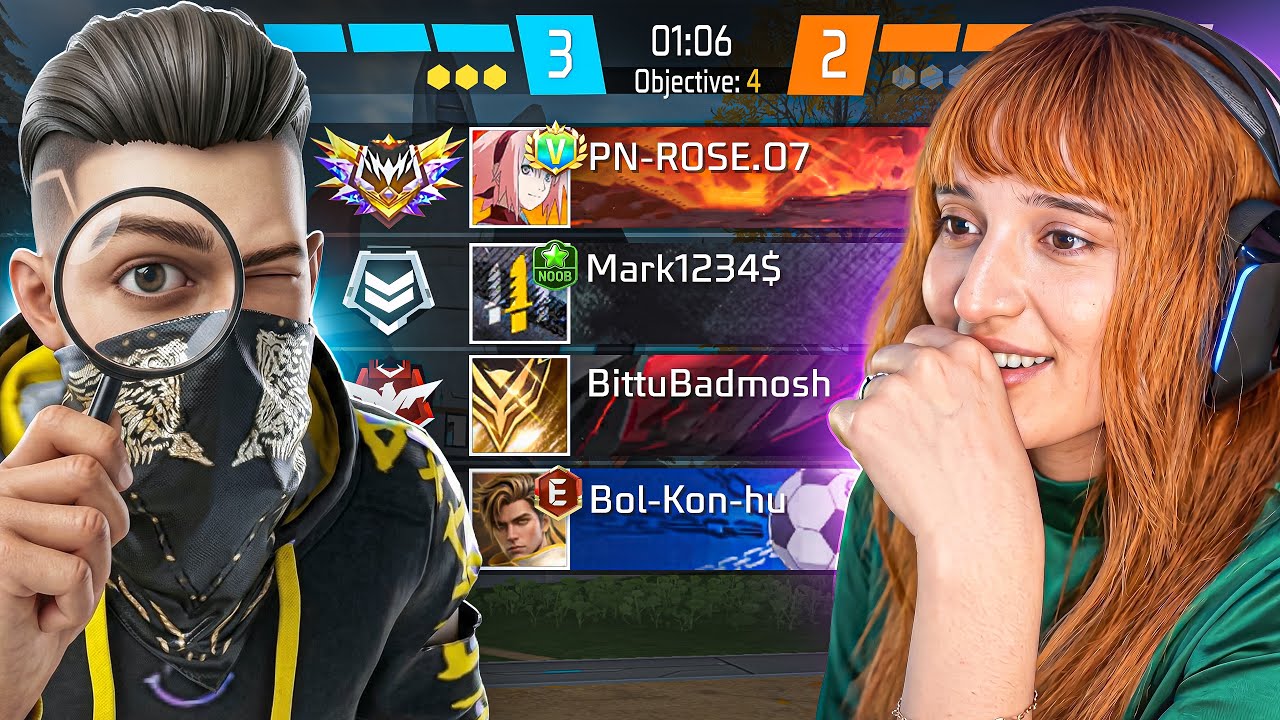
A clip titled along the lines of "I secretly pranked a girl streamer on live" is doing the rounds again, and the comments are split exactly the way these videos always split a room. Half the audience is laughing at the moment of genuine shock. The other half is asking a simpler question: did she actually agree to be filmed and turned into someone else's viral content?
That tension is the whole engine of the girl streamer prank genre. It is one of the most reliable formats on YouTube and short-video feeds right now, and it keeps producing hits without anyone needing a script, a budget or a single rehearsed line. To understand why a stranger's surprise can pull millions of views, you have to look at how live streaming, the clip economy and plain human curiosity feed each other.
What these clips actually show
The format is usually some version of the same setup. A creator joins, watches or interrupts another person's live broadcast and triggers a reaction the target was not expecting. Sometimes it is a harmless surprise donation with a silly message. Sometimes it is a creator revealing they have been quietly watching. Occasionally it tips into something more pointed, where the "prank" is really about catching a person off guard while thousands watch.
The thumbnail and title do a lot of work here. Words like "secretly" and "on live" promise two things at once: that something unplanned happened, and that the viewer is being let in on a secret the target did not know about. That gap, between the person on screen and the audience watching, is the oldest trick in entertainment. Hidden-camera shows ran on it for decades. Streaming just made it instant, global and endlessly repeatable.
Why the format goes viral so reliably
There is a real mechanical reason these videos travel. Recommendation systems on YouTube and short-form feeds reward two signals above almost everything else: a strong watch-time hook in the first few seconds, and high engagement in the comments. A real, unscripted reaction delivers both. You cannot fake the half-second where someone's face changes, and viewers argue endlessly underneath about whether it was funny or out of line.
A few things make the live stream prank especially sticky:
- It is short and self-contained. The payoff lands fast, which suits feeds built for scrolling.
- It feels authentic. Audiences are tired of overproduced content, so a raw webcam reaction reads as real even when the setup is staged.
- It invites a verdict. Every viewer becomes a judge, and that argument in the comments is exactly what the algorithm treats as a healthy, active video.
- It is cheap to make. No location, no crew, no permits. A creator with a second screen can produce one in an afternoon.
That low cost matters. When a format is easy to copy and proven to perform, hundreds of creators pile in, which is why your feed can feel like it is wall-to-wall reaction and prank content for weeks at a time.
The consent question nobody can dodge
Here is where the laughing and the criticism part ways. A prank only works if the target does not know it is coming. But the moment you film someone's surprise and publish it for profit, you are making a decision about another person's image without asking them first.
When the target is a woman streamer, that question gets sharper, not softer. Female creators already deal with a disproportionate volume of unwanted attention, and a viral clip can act like a spotlight pointed straight at them. Even a genuinely good-natured prank can drag in a wave of new viewers who were never her audience and do not treat her like a person doing a job. Comment sections fill with remarks about her looks, her relationship status, her reaction, anything but the thing she was actually streaming.
None of that means every prank is malicious. Plenty are arranged between friends, or between creators who know the bit will help them both. The honest answer is that you often cannot tell from the clip itself which kind you are watching, and the title is designed to keep you guessing. That ambiguity is a feature for the creator and a problem for the person being filmed.
Where pranks cross a real line
Most of these videos are harmless. A few are not, and the difference is worth naming clearly because the same word, "prank," gets stretched to cover very different things.
The genuinely risky versions involve:
- Stream-sniping with location reveals, where a prankster works out where someone is broadcasting from and shows up or hints at the address.
- Account or device tampering, which stops being a joke and becomes hacking the instant someone touches a login they were not given.
- Doxxing dressed up as comedy, where private details get flashed on screen "for the bit."
- Manufactured humiliation, where the entire point is to provoke a distressed reaction and harvest it for views.
These are the cases that draw platform strikes, channel takedowns and, in serious instances, police complaints. Indian law has no single "prank" statute, but provisions covering harassment, criminal intimidation, stalking and the misuse of private information can all apply when a stunt goes far enough. A clip being framed as a joke offers no protection if the underlying act is something a court would treat as harm.
The streamer's side of the screen
For people who broadcast regularly, this genre is just one more occupational hazard to manage. Experienced streamers build defences into their setup almost without thinking about it. A short broadcast delay of a few seconds blunts stream-snipers. Identifying details, tickets, boarding passes, anything with an address, stay off camera. Chat moderation runs tight, with trusted mods empowered to time people out fast.
The smarter creators have also learned to control the frame when a prank does land on them. A calm or funny response starves a hostile clip of the dramatic reaction it needs, while an angry one tends to become the very moment that travels. It is an unfair burden, essentially asking the target to perform good sportsmanship about something they did not sign up for, but it is the reality of working on a public platform.
What happens next
The prank-streamer format is not going anywhere, because the incentives that built it are still firmly in place. Reactions are free to film, cheap to edit and reliably rewarded with reach. As long as that holds, creators will keep chasing the bigger surprise, and a share of them will keep mistaking shock value for creativity.
The likely correction comes from two directions. Platforms continue to tighten rules on harassment and non-consensual filming, and enforcement, while patchy, is getting stricter. And audiences are slowly growing more skeptical, quicker to ask whether the person on screen was in on it and quicker to turn on creators who clearly were not punching up but down.
For now, the sensible way to watch one of these clips is to hold two thoughts at once. You can find the moment genuinely funny and still ask the basic question the title is built to make you forget: was the person being filmed actually okay with it? When the answer is yes, it is just entertainment. When the answer is no, no amount of views makes it harmless.