
Photo: Kunal Lakhotia / Pexels
Gold Near ₹1 Lakh: Smart Jewellery & Auspicious Gemstone Picks 2026
Gold has done something in 2026 that still makes Indian shoppers blink at the price board: 24-karat gold is camped in the ₹1 lakh-per-10-gram zone, a level that felt unthinkable just a few years ago. For a country that buys gold for weddings, festivals and faith alike, that single number reshapes every jewellery and gemstone decision this year. Here is a clear-eyed guide to where prices stand, how to buy smart, and which auspicious gemstones are worth your money in 2026 — with real pros and cons, not just astrology marketing.
Where the gold price trend stands in 2026
The broad picture is simple: gold has been one of the strongest assets of the decade, and the rally has not fully reversed. Through 2025 and into 2026, central-bank buying, a weaker rupee and global uncertainty kept bullion elevated, pushing 22K jewellery gold comfortably into the high tens of thousands per 10 grams and 24K brushing the ₹1 lakh frontier.
What that means at the counter is that the metal itself is only part of your bill. On top of the quoted rate, expect making charges of roughly 8-25% depending on whether the piece is machine-made or hand-crafted, plus 3% GST on the total. A ₹1 lakh gold purchase can quietly become ₹1.15-1.25 lakh once labour and tax are added — so the headline rate flatters the real cost.

Silver, the wild card of 2026
If gold has been steady-expensive, silver has been a rollercoaster. After a spectacular surge to record highs, the white metal saw a sharp, stomach-churning pullback, leaving the gold-to-silver ratio stretched and buyers unsure whether they are catching a bargain or a falling knife.
For jewellery and gifting, silver remains the affordable entry point, and its industrial demand from solar and electronics gives it a genuine long-term story. But treat it as a volatile asset, not a safe parking spot — its 2026 swings have been far wider than gold's.
How to buy gold jewellery without overpaying
The single most important habit in 2026 is to buy hallmarked gold only. Every genuine piece now carries a 6-digit alphanumeric HUID (Hallmark Unique Identification) along with the BIS mark and the purity grade (22K916, 18K750, and so on). No HUID, no deal.
A few rules that protect your wallet:
- Compare making charges, not just the gold rate. Two shops can quote the same metal price and differ by thousands on labour.
- Get the buy-back terms in writing. Many jewellers deduct heavily on old-gold exchange or charge fresh making on remakes.
- Demand a detailed invoice showing gross weight, net gold weight, stone weight (if any), purity, making charge and GST separately.
- For pure investment, skip jewellery. Sovereign Gold Bonds, gold ETFs and 24K coins avoid making charges and are easier to liquidate.
The auspicious gemstones worth buying in 2026
Now to the part that fills wedding-season showrooms. In Indian tradition the Navratna — nine gemstones tied to nine celestial influences — are believed to channel planetary energy. Astrology aside, these are also real, valuable stones, so buying them well matters. Below are the picks people are most drawn to in 2026, with honest pros and cons.
- Yellow Sapphire (Pukhraj) — Jupiter. The runaway favourite for marriage, prosperity and wisdom. Pros: hard, durable, widely available, strong resale. Cons: fine unheated Ceylon stones are pricey, often ₹8,000-40,000+ per carat, and the market is flooded with treated material.
- Emerald (Panna) — Mercury. Linked to intellect, communication and business. Pros: striking colour, high status. Cons: naturally included and brittle, so it chips easily; top Colombian/Zambian stones run ₹10,000-60,000+ per carat.
- Red Coral (Moonga) — Mars. Sought for courage, energy and overcoming obstacles. Pros: affordable, often ₹500-3,000 per carat, easy to wear. Cons: organic and soft, fades or scratches over time; dyed fakes are common.
- Pearl (Moti) — Moon. Associated with calm, emotional balance and sleep. Pros: gentle, inexpensive natural-look options. Cons: very soft, short-lived, and 'natural' basra pearls command steep prices versus cultured ones.
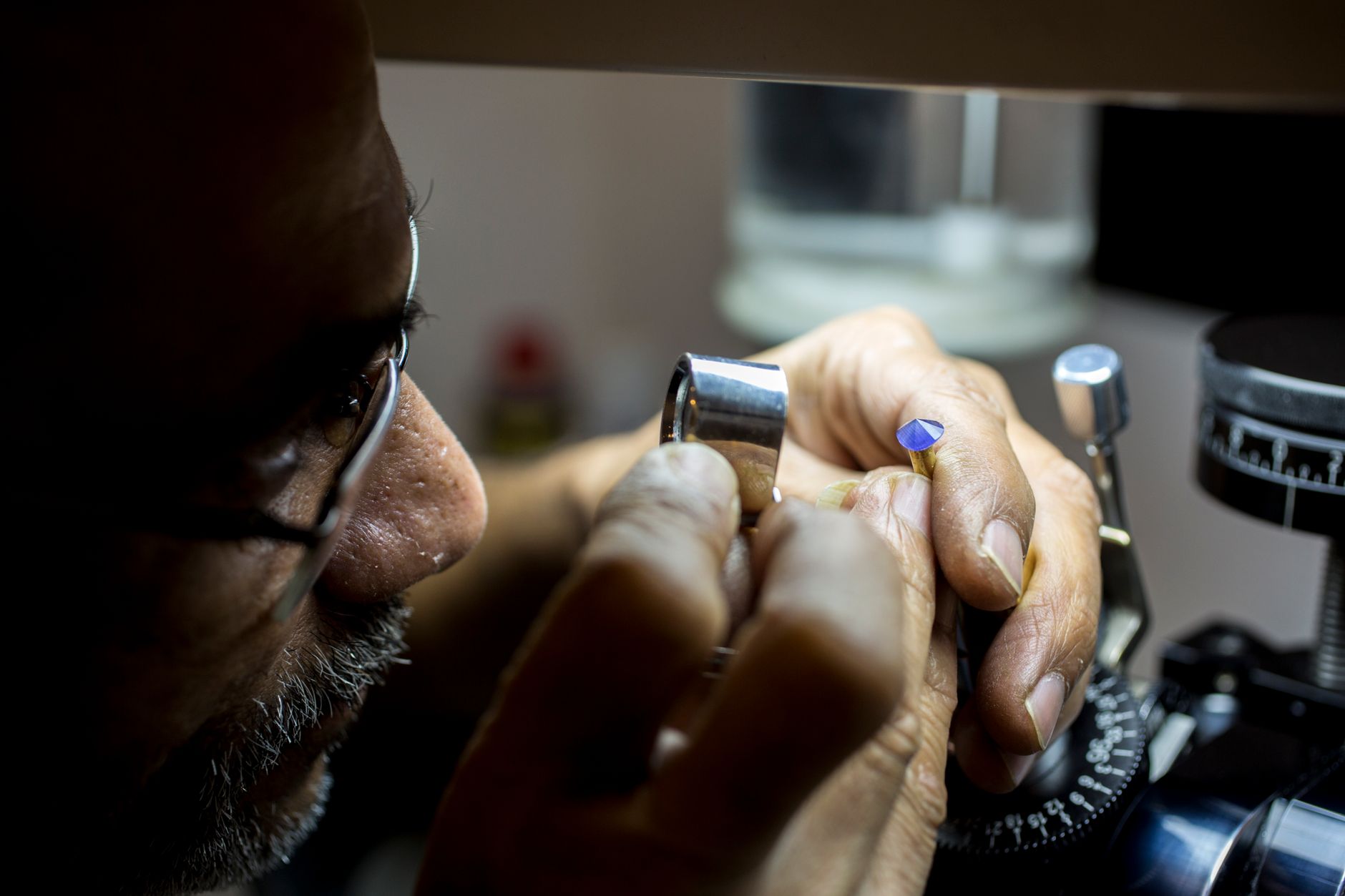
- Blue Sapphire (Neelam) — Saturn. The most powerful — and most cautioned-about — stone, said to act fast for good or ill. Pros: gorgeous, durable, strong investment grade. Cons: fine unheated stones can cross ₹20,000-1,00,000+ per carat; tradition urges a trial period before committing.
- Ruby (Manik) — Sun. For authority, confidence and vitality. Pros: extremely hard and timeless. Cons: unheated Burmese rubies are among the costliest coloured stones on earth.
Certification: the rule that beats every superstition
Here is the uncomfortable truth the gemstone trade rarely advertises: gemstones are largely unregulated compared with hallmarked gold. There is no government HUID for a sapphire. That makes a lab certificate your only real protection.
Before you pay, insist on a report from a recognised gem laboratory stating the species, weight in carats, origin and treatment status. The words to look for are 'natural' and 'no indications of heating/treatment' — untreated stones are rarer and command a premium, while heated, glass-filled or synthetic stones are worth a fraction. A stone sold without certification, however 'energised' or discounted, should be treated as costume jewellery until proven otherwise.
Smart-buyer checklist for 2026
Whether you are buying for faith, fashion or investment, the same discipline applies in a high-price year:
- Match the stone to your chart, not the trend. A genuine astrologer matches a gemstone to your horoscope; buying a blue sapphire because a relative thrived with one is a gamble.
- Set a carat and budget ceiling first, then shop — gemstone pricing rises steeply with size and clarity.
- Buy the stone and the setting separately if you want clarity on what you are paying for the gem versus the gold.
- Keep all certificates and invoices — they are essential for insurance and resale.
- Remember GST. Both gold and certified gemstones attract 3% GST, so factor it into comparisons.
The bottom line for 2026: gold near record highs rewards patience and hallmark discipline, while the gemstone aisle rewards scepticism and paperwork. Buy for meaning if you like — but buy like an investor, because at these prices, every gram and every carat counts.


