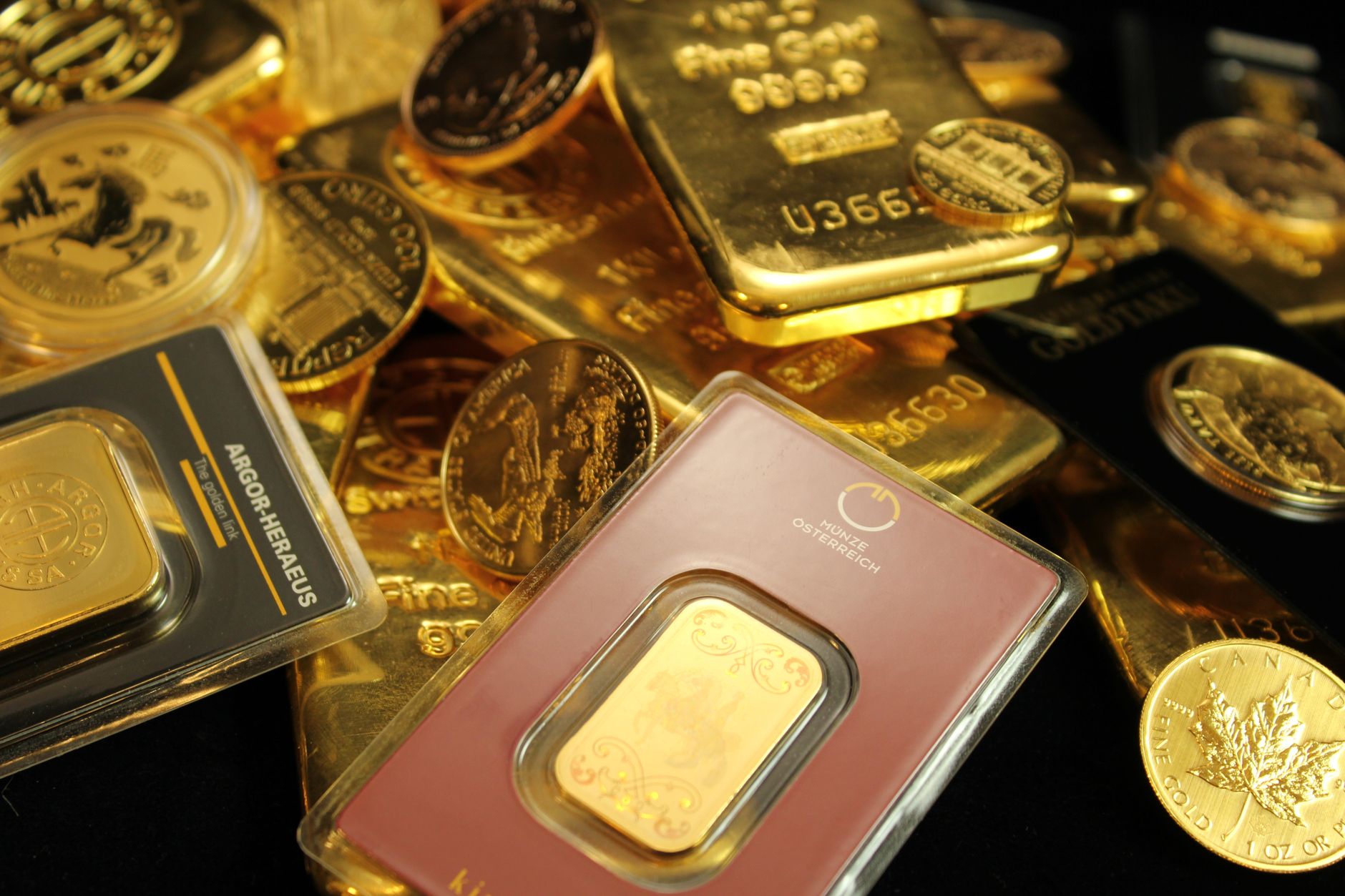
Photo: Zlaťáky.cz / Pexels
Gold Rate Today, 11 June 2026: 24K at ₹1,48,656; Silver Near ₹2.5 Lakh
Walk into any jeweller in the country this morning and the board will tell a familiar 2026 story: precious metals are sitting near record territory and refusing to come down. As of 11 June 2026, indicative retail 24K gold is around ₹1,48,656 per 10 grams, 22K gold near ₹1,36,268 per 10 grams, and silver close to ₹2,50,000 per kilogram. If you have been waiting for a dip before buying for a wedding or a festival, here is where things actually stand today and what is pushing the needle.

Gold rate today at a glance
For quick reference, these are the indicative pan-India rates before tax and making charges:
- 24K (999 purity): about ₹1,48,656 per 10g, or roughly ₹14,866 a gram
- 22K (916 purity): about ₹1,36,268 per 10g, the grade most jewellery is sold in
- 18K (750 purity): lower again, common in lighter and studded pieces
- Silver: about ₹2,50,000 per kg, or ₹250 a gram
The gap between 24K and 22K is simply purity. Pure gold is too soft for everyday ornaments, so it is alloyed down to 22K or 18K for strength. Coins and bars are usually 24K, which is why they track the headline rate most closely.
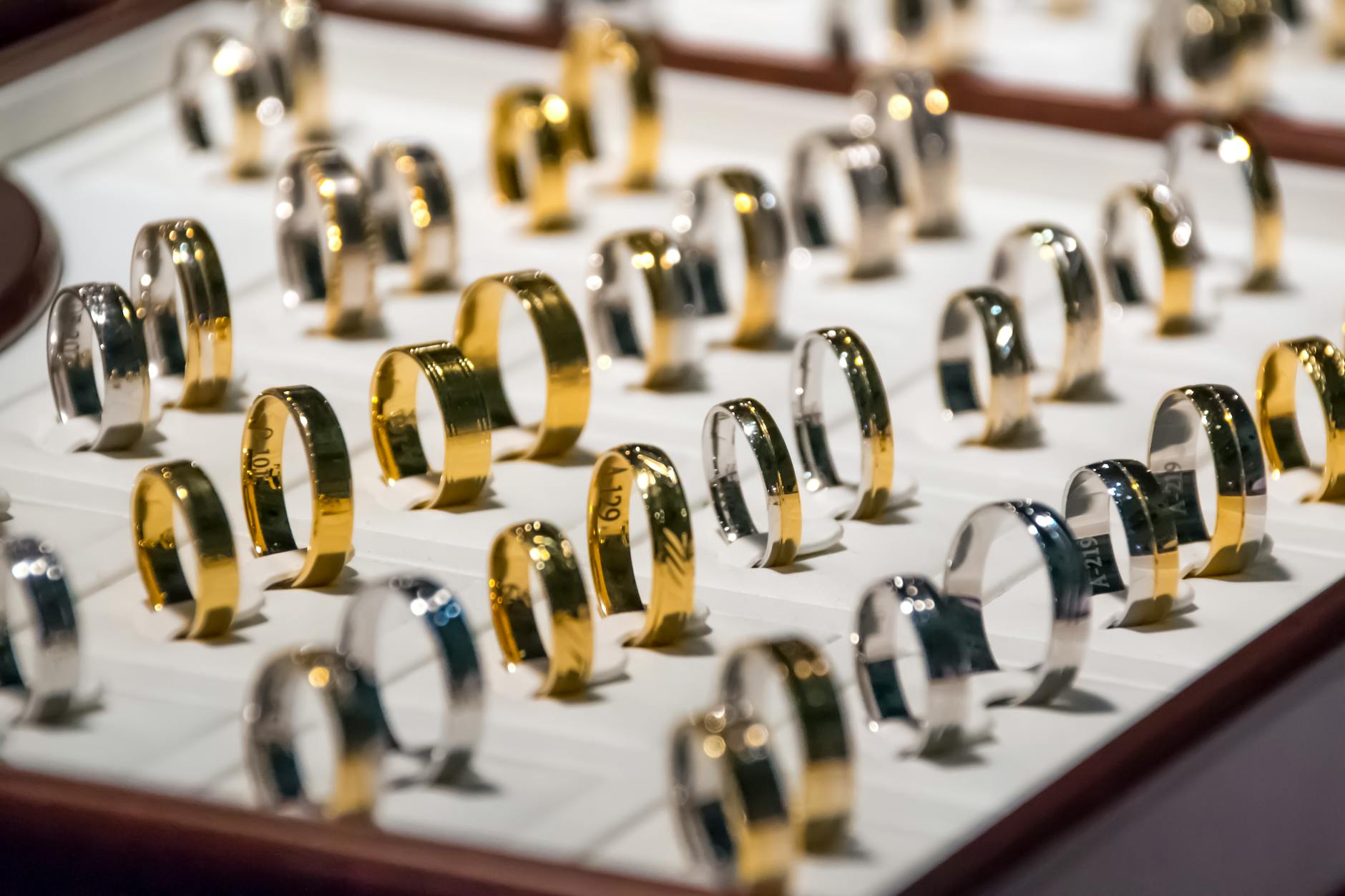
City rates vary, and so does your final bill
There is no single national price. Mumbai, Delhi, Chennai, Hyderabad and Bengaluru each post slightly different numbers because of local bullion association quotes, transport, octroi-style costs and the margins individual jewellers add. The spread is usually small — a few hundred rupees on 10 grams — but it is real, so confirm the live rate at the counter before you pay.
Two things the board price never shows. First, 3% GST is added on top when you buy jewellery. Second, making charges can range from a modest few percent on plain coins to well over 20% on intricate, labour-heavy designs. A ₹1.48 lakh quote for 10 grams of 24K can land meaningfully higher on the final invoice once both are stacked on. Always ask for the rate, the GST and the making charge as three separate lines.
What is moving gold and silver right now
Gold spent the first half of 2026 caught in a tug-of-war, and that fight explains today's level. On one side, the US Federal Reserve has held its policy rate around 3.50–3.75%, and a stronger-than-expected American jobs report has all but killed near-term hopes of rate cuts. Higher-for-longer rates make non-yielding assets like gold less attractive, which caps the upside.
Pulling the other way is geopolitics. Tensions in West Asia and worries about the Strait of Hormuz — the chokepoint for a large slice of the world's oil — have kept crude jumpy and pushed nervous money toward gold as a hedge. When investors fear inflation or instability, bullion tends to find buyers regardless of what central banks are doing.
The rupee matters too. With USD/INR near ₹95.26, a softer rupee makes imported gold dearer in local terms even when the global dollar price is flat. India imports almost all its gold, so the exchange rate quietly does a lot of the work behind that board number.
Silver's own engine
Silver near ₹2.5 lakh a kilogram is not just riding gold's coat-tails. The white metal runs on two demand engines at once. Like gold, it responds to interest rates, the dollar and inflation fears. But it also has a heavy industrial side — solar panels, electric vehicles, electronics and AI-related hardware all consume silver, and that demand follows its own cycle.
That dual nature is why silver tends to swing harder than gold in both directions. The widely watched gold-silver ratio — how many grams of silver one gram of gold buys — has narrowed sharply over the past year as silver outran the yellow metal. For buyers, the practical takeaway is simple: silver can reward patience, but it is the more volatile of the two and not the place to park money you might need next month.
Where the wider market sits
Precious metals never move in a vacuum, so here is the backdrop on 11 June 2026:
- Sensex: 73,983
- Nifty 50: 23,215
- USD/INR: ₹95.26
- Bitcoin: ₹59,59,469
Equities have been choppy rather than buoyant, which partly explains gold's resilience — when stocks feel stretched and uncertain, some money rotates into hard assets. Bitcoin, often pitched as a rival store of value, has had a strong run of its own, but its swings dwarf gold's and the two appeal to very different temperaments. Gold's pitch has always been boring stability, and in a jittery 2026 that pitch is selling well.
Is it a good time to buy?
The honest answer is that nobody rings a bell at the bottom. Prices are high by any historical standard, and chasing a record can sting if there is a pullback. Equally, every year that gold has looked "too expensive" recently, it has gone on to make new highs. Trying to time a single day's rate is a game most people lose.
A more sensible frame is purpose:
- Buying for a wedding or festival? Spread purchases over a few weeks rather than buying everything in one shot. Averaging smooths out the daily noise.
- Buying as an investment? Consider sovereign gold instruments, gold ETFs or digital gold instead of jewellery — you skip making charges and storage worries, and exit is cleaner. Keep gold to a sensible slice of your portfolio, not the whole thing.
- Buying physical jewellery? Insist on hallmarked pieces with a HUID, get the weight and purity in writing, and compare making charges across two or three shops before you commit.
For most households, gold is best treated as long-term insurance and a cultural commitment rather than a quick trade. The metal's job is to hold value across decades, not to make you money by next Diwali. Buy what fits your goal and your budget, check the live rate at the counter, read the invoice line by line — and let the headlines worry about themselves.


