Photo: Zlaťáky.cz / Pexels
Gold Rate Today, 12 June 2026: 24K at ₹1.45 Lakh, Silver ₹2.5 Lakh/kg
If you checked the gold rate today before stepping into a jeweller, here is the short version for 12 June 2026: pure 24K gold is hovering around ₹1,45,630 per 10 grams, while ornament-grade 22K gold sits near ₹1,33,490 per 10 grams. Silver is trading close to ₹2,50,000 per kilogram. Those are indicative national rates before tax and making charges, and they shift through the day as global cues and the rupee move.
For anyone planning a wedding purchase, a festival buy, or just topping up a long-term gold habit, the numbers matter less than the context around them. Let's run through what's setting prices, why your city's rate looks a little different, and whether today is a sensible day to buy.

Gold rate today: the numbers that matter
Think of the daily quote as a base price for the metal itself. On 12 June 2026:
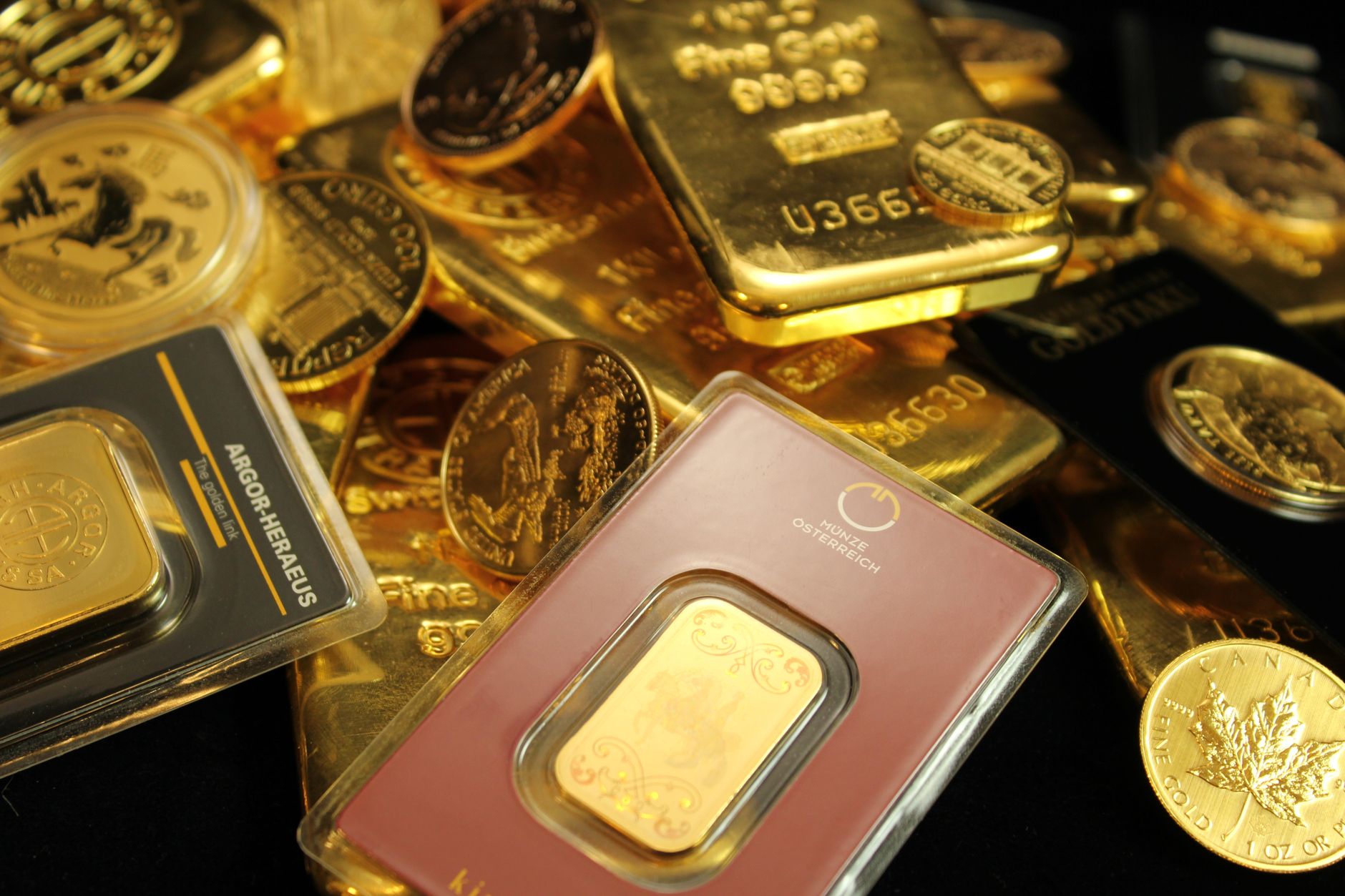
- 24K (99.9% pure) gold: about ₹1,45,630 per 10g — used for coins, bars and investment-grade gold.
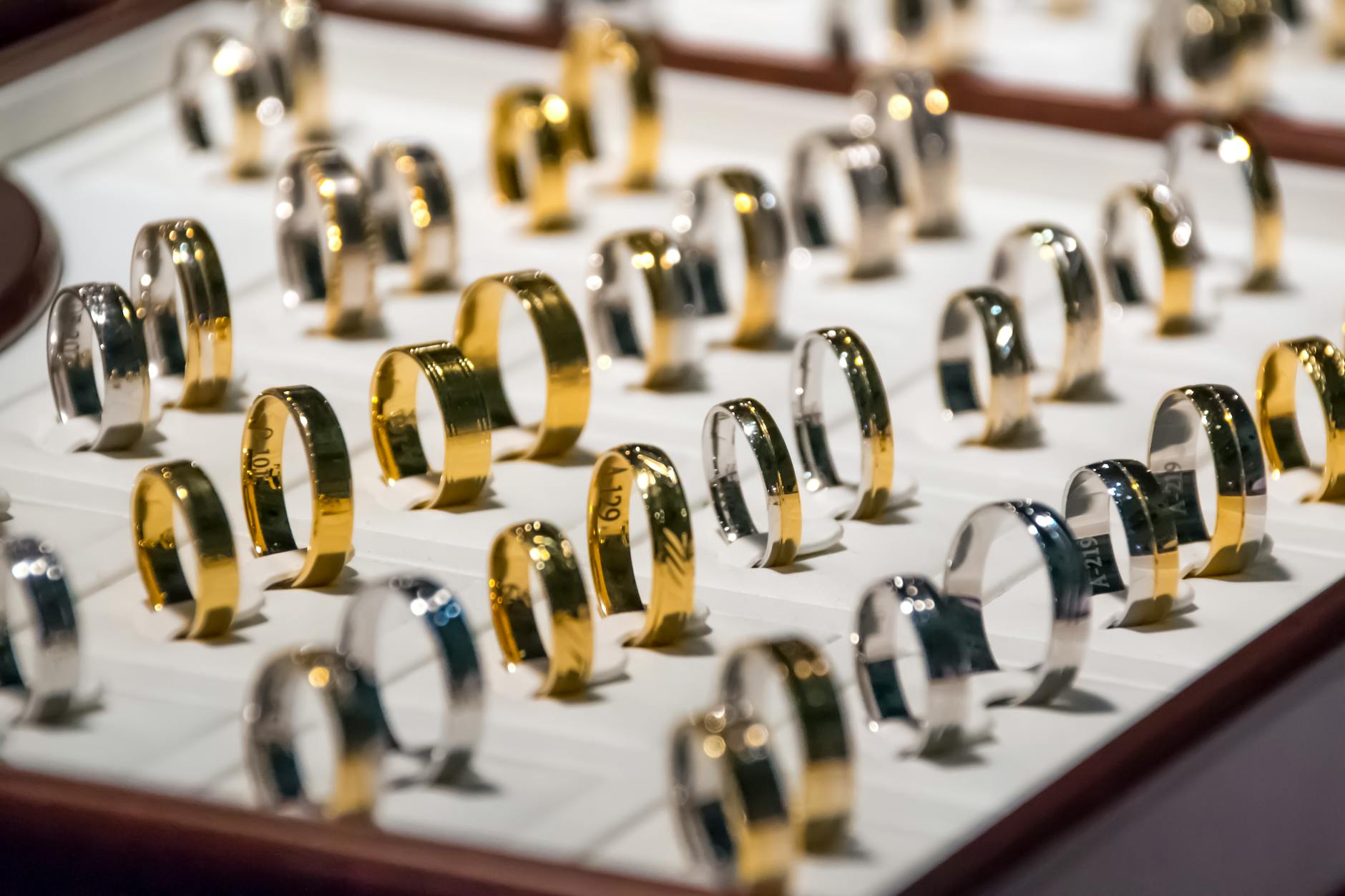
- 22K (91.6% pure) gold: about ₹1,33,490 per 10g — the standard for most jewellery because pure gold is too soft to hold intricate work.
- Silver: about ₹2,50,000 per kg, or roughly ₹2,500 for 10 grams.
The gap between 24K and 22K is simply the purity difference. A 22K piece is alloyed with metals like copper or zinc for strength, so per gram it costs less than pure gold. When a jeweller quotes you a price, ask which karat the rate refers to, because mixing them up is the easiest way to overpay.
Why prices are sitting where they are
Gold and silver don't move in isolation. A handful of forces are keeping them firm right now.
The biggest domestic lever is the rupee, which is trading around ₹95.3 to the US dollar. Since India imports almost all of its gold, a weaker rupee makes every imported gram costlier in local terms, even when the international dollar price stays flat. So part of today's high reading is a currency story, not a pure gold story.
Globally, central-bank buying and a steady appetite for safe-haven assets have underpinned bullion for months. Whenever investors worry about geopolitics or growth, gold tends to catch a bid. Silver carries an extra twist: beyond jewellery and investment, it's an industrial metal, used heavily in solar panels, electronics and electric-vehicle components. That demand keeps a floor under it, but also makes silver far more volatile than gold.
The wider market mood is broadly steady. The Sensex is around 73,983 and the Nifty 50 near 23,215, while Bitcoin sits at roughly ₹59,59,469. When equities are calm and near highs, some investors trim gold; when nerves return, money rotates back. That tug-of-war is part of why the daily rate wobbles.
Why your city's rate looks different
There is no single national price stamped on gold. The rate you see in Mumbai, Delhi, Chennai, Hyderabad and Bengaluru can differ by a few hundred rupees per 10 grams, and the reasons are mundane but real:
- Local association rates. City bullion associations set reference prices that move slightly differently based on local supply and demand.
- Transport and logistics. Gold has to be moved and insured, and those costs vary by region.
- Octroi-era habits and local levies. Some markets historically carried extra charges that still shape pricing conventions.
- Demand quirks. A heavy wedding season in one region can nudge local premiums up.
Southern cities such as Chennai often quote marginally higher because of strong, steady jewellery demand. The practical takeaway: always confirm the day's rate with two or three trusted local jewellers rather than assuming the figure you saw online is exactly what you'll pay.
The charges nobody puts in the headline
Here's where the quoted rate and your actual bill part ways. Two costs sit on top of the metal price.
GST adds 3% on the value of the gold. It's small in percentage terms but real in rupees on a large purchase.
Making charges are the bigger swing factor. These cover the labour and design work, and they range widely — anywhere from around 8% for simple machine-made pieces to 20-25% or more for elaborate, handcrafted designs. On heavy bridal jewellery, making charges alone can add tens of thousands of rupees.
So when you read "22K gold ₹1,33,490 per 10g," treat it as the starting line, not the finish. A worked example: 10 grams of 22K jewellery at that base, plus typical making charges, plus 3% GST, can land well above ₹1.5 lakh. Always ask for the rate, the making charge, the GST, and any deduction policy on old gold exchange in writing before you commit.
Is this a good time to buy?
The honest answer is that nobody can time the daily rate with any consistency, and anyone who claims otherwise is guessing. What you can do is match your buying to why you're buying.
Reasons it could make sense to buy now:
- You have a fixed near-term need — a wedding or a gift — and the date isn't flexible.
- You're building a long-term allocation and prefer to stagger purchases rather than wait for a perfect dip.
- A weak rupee and steady global demand suggest no obvious crash is on the horizon.
Reasons to pause:
- Both metals are near historically high levels, so you're not buying cheap.
- Silver's volatility means a kilo bought today could swing sharply in either direction within weeks.
- If your money is needed within a year, gold's short-term price risk may not suit you.
A sensible middle path for long-term buyers is to average in — spread purchases across months so you don't bet everything on a single day's price. For pure investment rather than ornaments, consider lower-cost routes like digital gold, gold ETFs or gold funds, which skip making charges entirely and are easier to sell. Physical jewellery carries an emotional and utility value that those instruments don't, but you pay for it in charges you can't recover at resale.
A quick checklist before you pay
Whether you buy today or next month, these habits protect you:
- Insist on hallmarking. A BIS hallmark with the six-digit HUID confirms purity and protects resale value.
- Get the breakup in writing — metal rate, making charge, GST and weight, line by line.
- Weigh it yourself and confirm whether the price is for gross or net weight, especially with stone-studded pieces.
- Compare two or three jewellers on making charges, since the metal rate barely moves between them but the labour markup does.
- Keep the invoice. It's essential for resale, exchange and any future hallmark or tax query.
Daily rates will keep moving with the rupee, global sentiment and demand. The figures for 12 June 2026 are a useful snapshot, but the smarter play is to focus on purity, transparent charges and your own timeline rather than chasing the perfect price.


