Photo: Zlaťáky.cz / Pexels
Gold Rate Today, 23 June 2026: 24K Near ₹1.48 Lakh, Silver Tests ₹2.5 Lakh
Gold rate today, 23 June 2026, at a glance
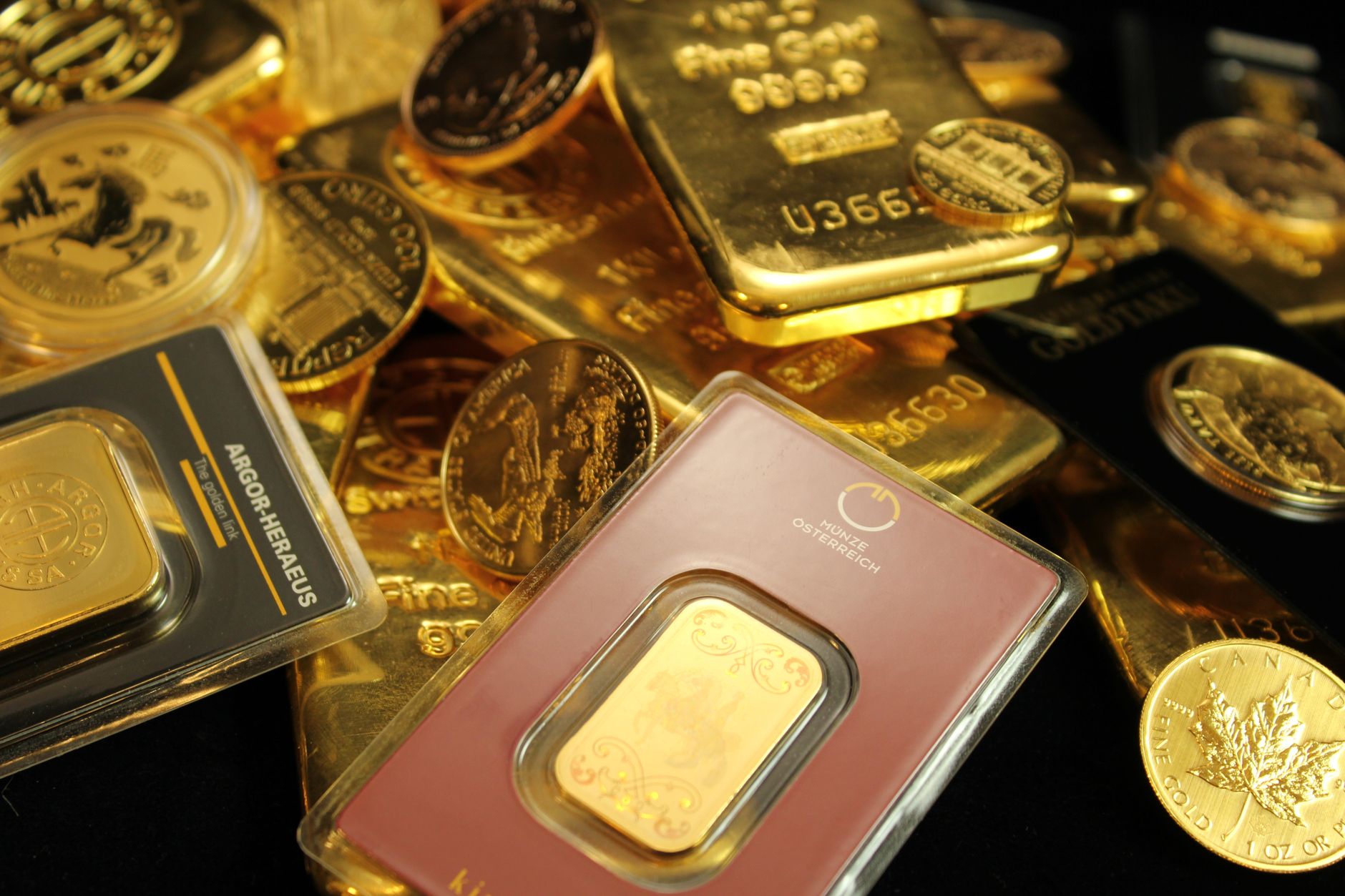
Gold opened the day in India trading firm but not frantic. As of 23 June 2026, standard 24K gold is around ₹1,47,635 per 10 grams, while 22K gold sits near ₹1,35,332 per 10 grams. Silver is the louder story, changing hands at roughly ₹2,49,900 per kilogram as it pushes back toward the ₹2.5 lakh mark.
Those are indicative bullion-level prices. The number you actually pay at a counter will be higher, because it excludes 3% GST and the jeweller's making charges. Keep that gap in mind before you compare a screen rate with a printed bill.
Here is the quick table most readers come for:
- 24K (999) gold: about ₹1,47,635 / 10g
- 22K (916) gold: about ₹1,35,332 / 10g
- Silver: about ₹2,49,900 / kg
- 1 gram 24K: roughly ₹14,763
- 8 grams 22K (a common chain weight): roughly ₹1,08,266

Why prices are sitting where they are
Gold takes its cue from three things at once: the global spot price in dollars, the rupee's exchange rate, and local demand. Today the rupee is relatively steady at ₹94.6 to the US dollar, which quietly caps how high domestic gold can run even when international prices firm up. A stronger rupee makes imported metal cheaper in rupee terms; a weaker one does the opposite.
The broader market mood is calm rather than fearful. The Sensex at 77,094 and the Nifty 50 at 24,103 point to an equity market that is holding ground, not panicking. When stocks are stable, the rush into gold as a safe haven cools, and prices tend to drift sideways instead of spiking.
There is also a newer competitor for the "store of value" trade. Bitcoin near ₹60,33,000 has pulled some speculative money that, a decade ago, might have leaned toward bullion. That doesn't replace gold's role in Indian households, but it does change the backdrop against which precious metals are priced.
Silver is the one to watch
Silver has been the more dramatic metal over the past year. After a blistering run to record highs and a sharp pullback, it is once again probing ₹2,49,900 per kg. The reason it swings harder than gold is simple: silver is half precious metal, half industrial input.
A big chunk of silver demand comes from solar panels, electronics and electric vehicles, so it reacts to factory orders and the global growth outlook, not just to fear and inflation. That makes the gold-to-silver ratio (how many grams of silver one gram of gold buys) a useful gauge. When silver outruns gold, traders watch for it to either confirm a genuine demand surge or snap back. For a household buyer, the takeaway is plainer: silver can reward and punish faster than gold, so treat it accordingly.
City rates vary, and so does your final bill
There is no single national price stamped across India. The rates above are benchmarks; the real number shifts a little from city to city because of local dealer associations, transport, and historical tax practices.
- Mumbai and Delhi usually track closest to the benchmark, being major bullion hubs.
- Chennai often quotes a touch higher, a long-standing quirk of the southern market.
- Hyderabad and Bengaluru typically land between the two, moving with regional demand.
The city gap is usually small, often a few hundred rupees per 10 grams. The bigger swing in your bill comes from two costs the headline rate ignores:
- GST at 3% on the value of the gold.
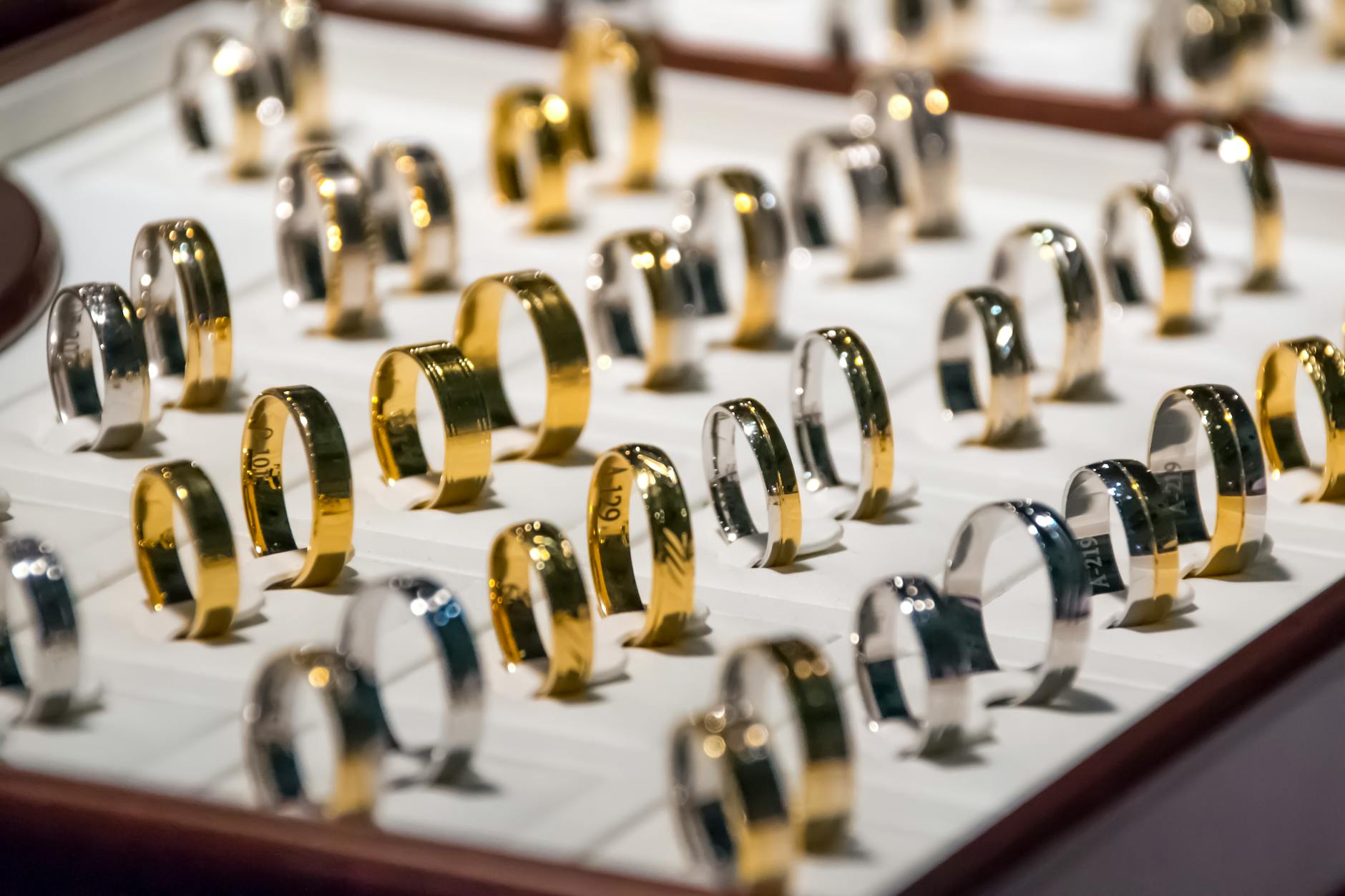
- Making charges, which can run anywhere from 6% to 20%-plus depending on the design, the brand, and whether the piece is machine-made or hand-crafted.
A heavily worked bridal set can carry making charges that dwarf the day's price move. Always ask for the rate, the GST and the making charge as three separate lines, and check the hallmark and HUID before you pay.
Is this a good time to buy?
The honest answer is that nobody reliably times a single day's print. But you can think about it sensibly.
The case for buying now: Gold has done its job through an uncertain stretch, holding value while offering a hedge against rupee weakness and any future flare-up in equity or geopolitical stress. If you have a real near-term need, a wedding, a festival, a gift, today's calm market is a reasonable, unhurried moment to buy rather than chasing a panic spike later.
The case for patience: With the rupee firm and stocks steady, there is no obvious catalyst forcing prices sharply higher this week. If your purchase is purely an investment with no deadline, you lose little by spreading it out instead of buying a lump sum at one price.
For most readers, the middle path works best:
- Buy for a goal, not a guess. Jewellery for an occasion is a consumption decision; treat the price as a cost, not a trade.
- Stagger investment buying. Putting a fixed sum in every month smooths out the highs and lows far better than one big bet.
- Mind the form. For pure investment, low-cost formats like digital gold, gold ETFs or gold mutual funds avoid making charges and storage worries that come with physical jewellery and coins.
- Keep it a slice, not the whole pie. A common rule of thumb is to cap gold and silver together at a modest share of your overall portfolio.
What could move rates from here
A few signals are worth watching over the coming sessions. Any sharp move in the rupee past ₹94.6 would feed straight into domestic prices, up if the rupee weakens, down if it strengthens. Global interest-rate expectations matter too: when the cost of holding cash falls, non-yielding gold tends to look more attractive.
Domestically, the demand calendar is its own force. As the wedding and festival season approaches, physical buying picks up and jewellers restock, which can firm up local premiums even when international prices are flat. Silver, meanwhile, will keep taking cues from industrial demand and the pace of the energy-transition build-out.
None of this is a forecast, and daily rates will keep wobbling. The practical move is to separate the two reasons people buy: if it is for use, buy when you need it and negotiate the making charges hard; if it is for wealth, automate small, regular purchases and stop staring at the daily number.
The bottom line for today
On 23 June 2026, gold is steady and silver is the spicier bet, with 24K near ₹1,47,635, 22K near ₹1,35,332, and silver around ₹2,49,900 per kg. City rates differ slightly, and your final bill will always sit above the benchmark once GST and making charges are added. Check the hallmark, ask for an itemised invoice, and buy on your own timeline rather than the market's mood.


