
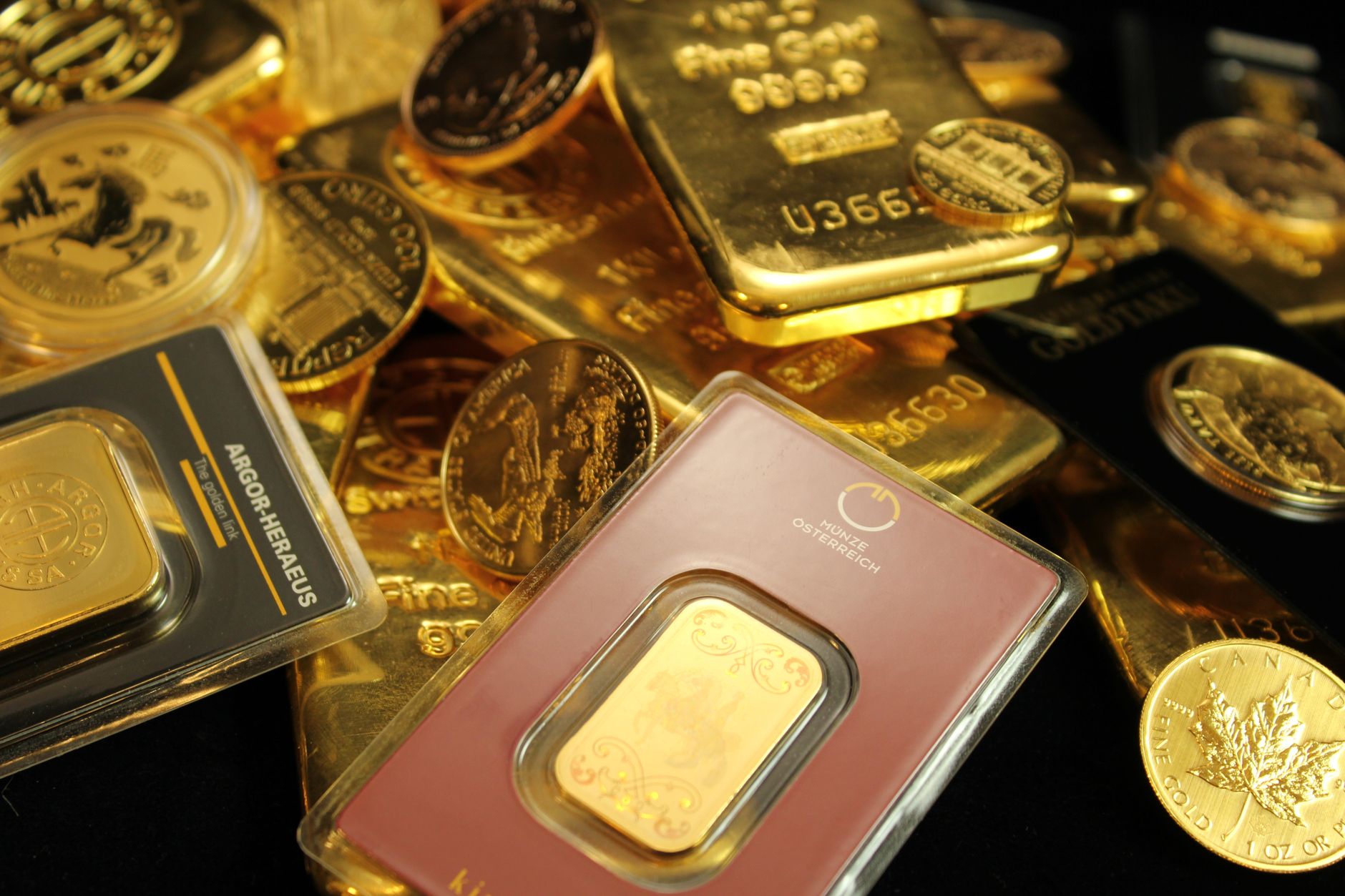
Photo: The Glorious Studio / Pexels
Gold Rate Today, 19 June 2026: 24K at ₹1,51,511, Silver Holds ₹2.6 Lakh
Gold opened the third week of June stubbornly high. The gold rate today (19 June 2026) has 24-carat gold at roughly ₹1,51,511 per 10 grams and 22-carat at about ₹1,38,885 per 10 grams, while silver is parked near ₹2,60,000 per kilogram. If you walked into a showroom expecting a summer discount, the ticker is not cooperating — precious metals have spent most of this year at or near record territory, and the latest readings keep that story alive.
The wider market backdrop on the same day: Sensex at 77,409, Nifty 50 at 24,168, the rupee at ₹94.36 to the US dollar, and Bitcoin at ₹60,42,102. Each of those numbers tugs at gold in its own way, and the rupee is doing most of the heavy lifting.

What today's rates actually mean for your bill
The figures above are for pure metal. They are not what you pay at the counter. Two add-ons sit on top:
- 3% GST on the value of the gold or silver.
- Making charges, usually 8–25% for jewellery depending on design, and far lower for coins or bars.
So a 10-gram 22-carat chain advertised at ₹1,38,885 can cross ₹1.55 lakh once tax and craftsmanship are added. Hallmarking, with its six-digit HUID code, is now standard, so insist on it — but remember it certifies purity, not price. The quoted rate is your starting line, never the finish.
Why gold and silver are sitting this high
Rupee gold prices are a product of two forces: the global dollar price of bullion, and how many rupees it takes to buy a dollar. Right now both push the same direction.
Gold has had a turbulent 2026. Safe-haven demand spiked earlier in the year around Middle East tensions, sending prices to record highs before a partial cooldown. Central banks have kept buying, which puts a firm floor under the metal. And the rupee near ₹94.36 is the quiet villain for Indian buyers: a softer currency makes every imported ounce dearer in rupee terms, so local prices can stay elevated even when global gold eases.
Silver is its own animal. It trades partly as a precious metal and partly as an industrial one, with solar panels, electronics and electric vehicles soaking up real-world supply. That dual demand has kept it firm around ₹2.6 lakh a kilo, but it also means silver swings harder than gold in both directions.
City rates are not the same everywhere
There is no single national gold price. Rates differ across cities because of local taxes, transport, jeweller association benchmarks and demand. As a rough guide for 24-carat gold per 10 grams, expect figures clustered around the headline number but rarely identical:
- Mumbai and Delhi usually track close to the benchmark, with Delhi often a touch higher.
- Chennai frequently runs a few hundred rupees above the pack, reflecting strong South Indian demand and purity preferences.
- Hyderabad and Bengaluru tend to sit in between, moving with regional buying.
The spread between cities is typically a few hundred rupees per 10 grams, occasionally wider. Before any large purchase, confirm the live rate with your specific jeweller on the day — published rates are indicative and change through trading hours.
Markets at a glance, and what they signal
The Sensex at 77,409 and Nifty at 24,168 suggest equities are holding steady rather than racing. When stocks are calm and confident, some investors trim gold; when nerves return, gold catches a bid. The current mix is more balanced than euphoric.
Bitcoin at ₹60,42,102 is worth a glance because crypto is increasingly pitched as 'digital gold'. Yet through 2026's uncertainty, physical gold has remained the asset Indian households actually trust for weddings, gifting and long-term security. The two rarely move in lockstep, and conflating them is a common beginner's mistake.
The rupee, again, deserves the spotlight. A currency hovering in the mid-90s against the dollar quietly raises the rupee cost of everything imported, gold included. Watch USD/INR as closely as you watch the gold ticker itself.
Is this a good time to buy?
There is no honest one-word answer, so here is the balanced version.
Reasons buyers are still stepping in:
- Long-term track record. Over decades, gold has preserved purchasing power and acted as a hedge against inflation and currency weakness.
- Wedding and festival needs. If you have a fixed event, spreading purchases over weeks beats trying to time a single perfect day.
- Diversification. A modest 5–15% allocation can steady a portfolio when equities wobble.
Reasons for caution:
- Prices are near records. Buying at elevated levels leaves less room for quick gains and more room for a correction.
- Making charges erode value. On jewellery, a chunk of your money vanishes into craftsmanship you cannot resell.
- Silver's volatility. Its industrial side can swing prices sharply, so it suits risk-tolerant buyers more than first-timers.
For pure investment rather than adornment, lower-cost routes such as digital gold, gold ETFs or government-backed instruments avoid making-charge leakage and storage worries. For ornaments, staggered buying — a little each month — averages out the price and removes the stress of calling the top or bottom.
The practical takeaway
Gold and silver are expensive today because the global picture is uncertain and the rupee is soft, not because of a passing spike. The sensible move is to separate need from speculation: buy what your family genuinely requires on a calm, planned schedule, and treat any investment allocation as a small, deliberate slice rather than a bet on tomorrow's rate. Confirm the live city rate, demand hallmarking, read the making charges, and never forget the 3% GST waiting at the bottom of the bill.


