Photo: merwak. raw / Pexels
Gold Rate Today, 25 June 2026: 24K at ₹1,44,553 per 10g
Gold Rate Today (25 June 2026): The Numbers That Matter
If you walked into a jeweller this morning, here is roughly what the board would say. 24K gold is hovering around ₹1,44,553 per 10 grams, while 22K gold, the grade most Indian jewellery is made from, sits near ₹1,32,507 per 10 grams. Silver is quoting close to ₹2,44,900 per kilogram.
Those are benchmark, pan-India figures. Treat them as a reference point, not the final price on your invoice. The moment making charges and tax get added, the cost climbs, and that gap is exactly where most first-time buyers get caught off guard.
The backdrop today is a mixed one. The Sensex is around 76,991 and the Nifty 50 near 24,022, both holding steady rather than racing anywhere. The piece of the puzzle doing the real work, though, is the rupee.

Why Gold Is Holding Firm Even on a Quiet Day
India produces almost no gold of its own. We import it, pay for it in dollars, and then convert. So the USD/INR rate, currently about ₹94.72, matters as much as the international price of the metal itself.
A weaker rupee makes every imported gram dearer in rupee terms. That is why local prices can stay stubbornly high even on days when global bullion slips a little. The currency quietly absorbs the discount before it ever reaches your local market.
Gold has also kept its shine for a more old-fashioned reason: nerves. When equities feel uncertain and global headlines stay tense, money looks for somewhere to sit quietly. Central banks around the world have been steady buyers, and that demand puts a floor under prices that retail buyers rarely see but always feel.
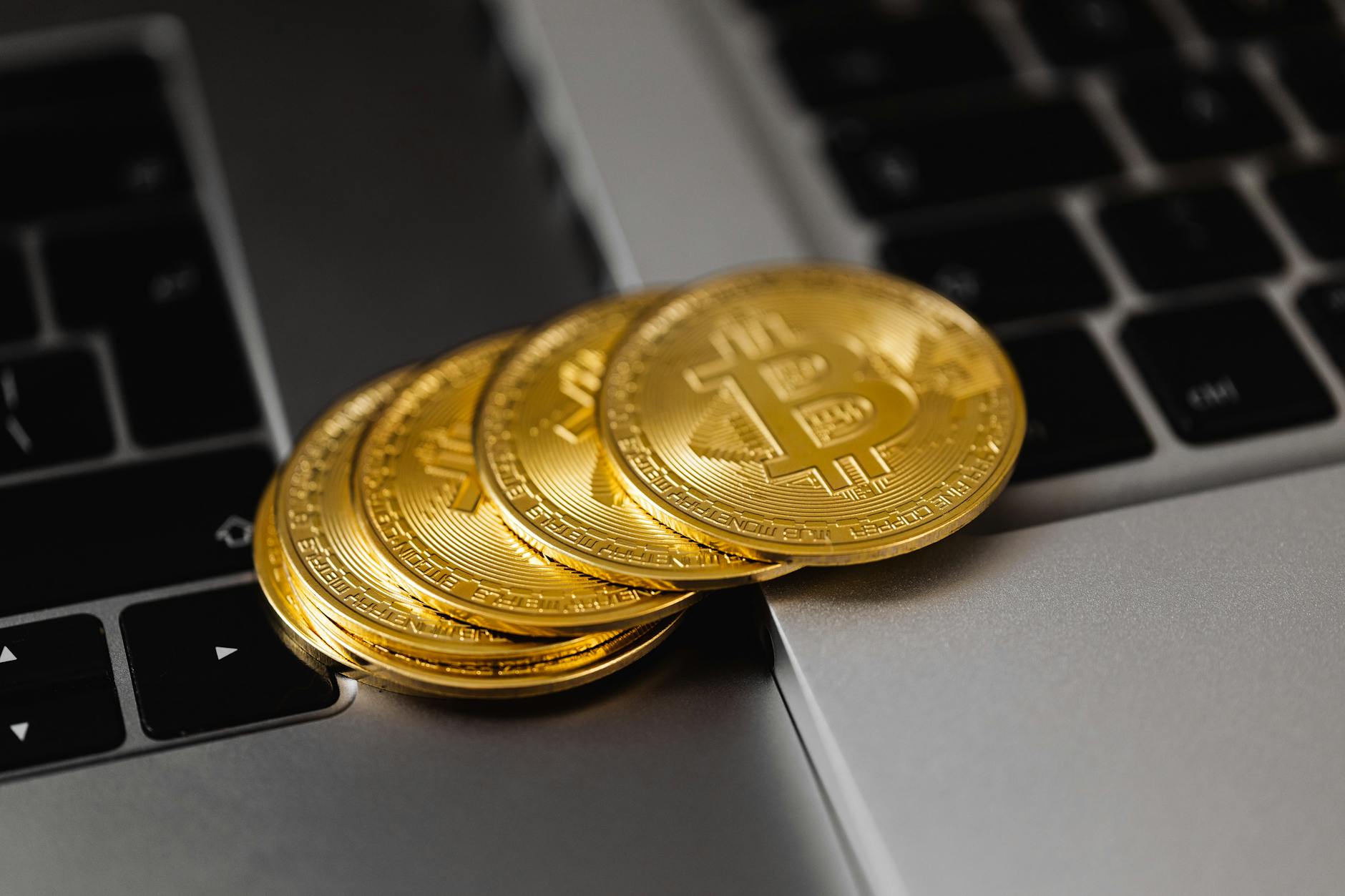
For a sense of where the speculative mood is, Bitcoin is trading around ₹59,38,000. When risk appetite runs hot, some of that money chases crypto and equities; when it cools, gold tends to get the attention back. Right now the two are coexisting without one clearly winning.

Silver: The Wilder Cousin
Silver deserves its own paragraph because it does not behave like gold. It is part precious metal, part industrial commodity, and that split personality makes it swing harder in both directions.
Much of silver's demand comes from solar panels, electronics and electric vehicles, so it rides on industrial cycles in a way gold never does. After a dramatic run earlier in the year, the ₹2,44,900 per kg level is calmer but still elevated. Anyone buying silver should expect a bumpier ride than gold, both up and down.
The gold-silver ratio, which tells you how many grams of silver buy one gram of gold, is worth a glance for serious buyers. When that ratio stretches very wide, some investors rotate toward silver on the theory it has more room to catch up. It is a strategy, not a guarantee.
City Rates Vary, and So Does Your Final Bill
Here is the part that trips people up. There is no single national price stamped on gold. The figures above are indicative, and the actual rate shifts city to city based on local taxes, transport, jeweller margins and association rates.
- Mumbai and Delhi usually track close to the national benchmark, with Mumbai often a shade lower as the main bullion hub.
- Chennai frequently runs a little higher, partly due to local demand patterns and duty structures.
- Hyderabad and Bengaluru tend to sit near the Delhi-Mumbai band, with small daily differences.
Differences of a few hundred rupees per 10 grams between cities are normal. So before you buy, check the rate quoted by a local jeweller or association on the day, not a number you saw on a national chart yesterday.
And remember what these rates leave out. The advertised price is the metal only. On top of it you pay:
- 3% GST on the value of the jewellery.
- Making charges, which can range from roughly 8% to 25% of the gold value depending on design.
- Sometimes a small hallmarking fee.
Making charges are the silent killer. They are largely non-refundable when you sell, which is why ₹1 lakh of gold jewellery is never worth ₹1 lakh the day you walk out.
Is This a Good Time to Buy? An Honest View
The truthful answer: nobody reliably calls the top or bottom of gold, and anyone who says otherwise is selling something. What you can do is buy sensibly.
Gold near record territory means you are not getting a bargain, but it also means the structural reasons for high prices, a soft rupee and steady global demand, have not gone away. If you are buying for a wedding, a festival or long-term security, waiting for a perfect dip often costs more in anxiety than it saves in rupees.
A few grounded principles help:
- Buy in tranches. Splitting purchases over months smooths out the price you pay and removes the guesswork.
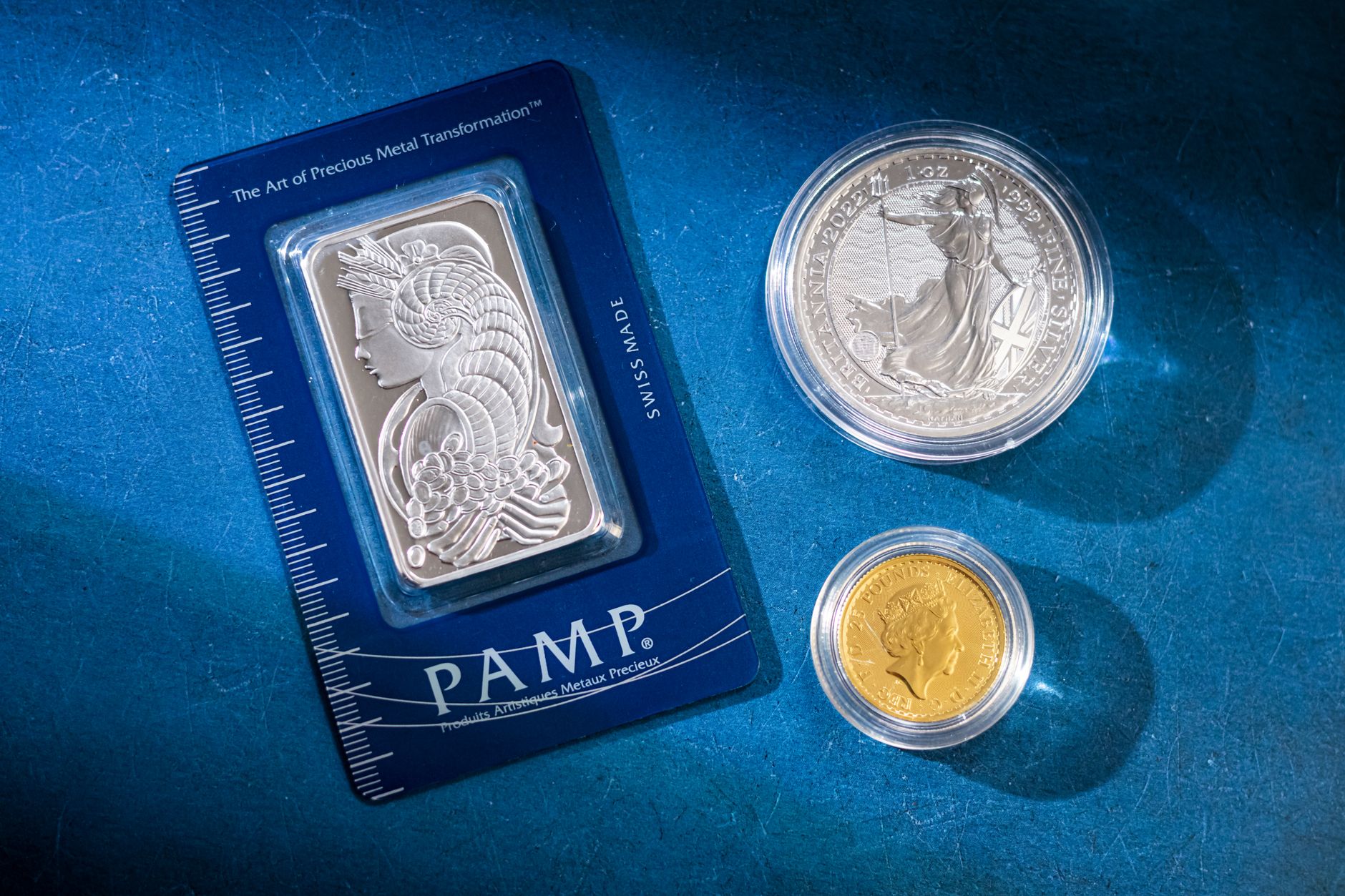
- Match the form to the purpose. For pure investment, 24K coins, bars, digital gold, gold ETFs or Gold mutual funds avoid heavy making charges. Keep jewellery for what you will actually wear.
- Insist on hallmarking. A BIS hallmark with a HUID is your proof of purity. Never skip it to save a token amount.
- Keep the bill. Resale, exchange and any future loan against the gold all depend on a clean invoice.
For silver, the same discipline applies with extra caution. Its industrial side makes it more volatile, so size your bet accordingly and do not treat it as a one-way street.
What to Watch From Here
The two levers most likely to move your next gold purchase are the rupee and global interest-rate expectations. If the rupee weakens further past current levels, expect domestic prices to stay firm regardless of what global charts do. If it strengthens, you may finally see some relief at the counter.
Keep half an eye on equity sentiment too. A confident Sensex and Nifty can pull money away from gold; a jittery market pushes it back in. Festival and wedding season demand in India adds its own seasonal pull later in the year.
For now, the picture on 25 June 2026 is one of high but stable prices. Gold is doing its quiet job of holding value, silver is offering more thrill than comfort, and the smartest buyers are the ones who check the local rate, count the charges, and buy a little at a time rather than betting the house on a single day.