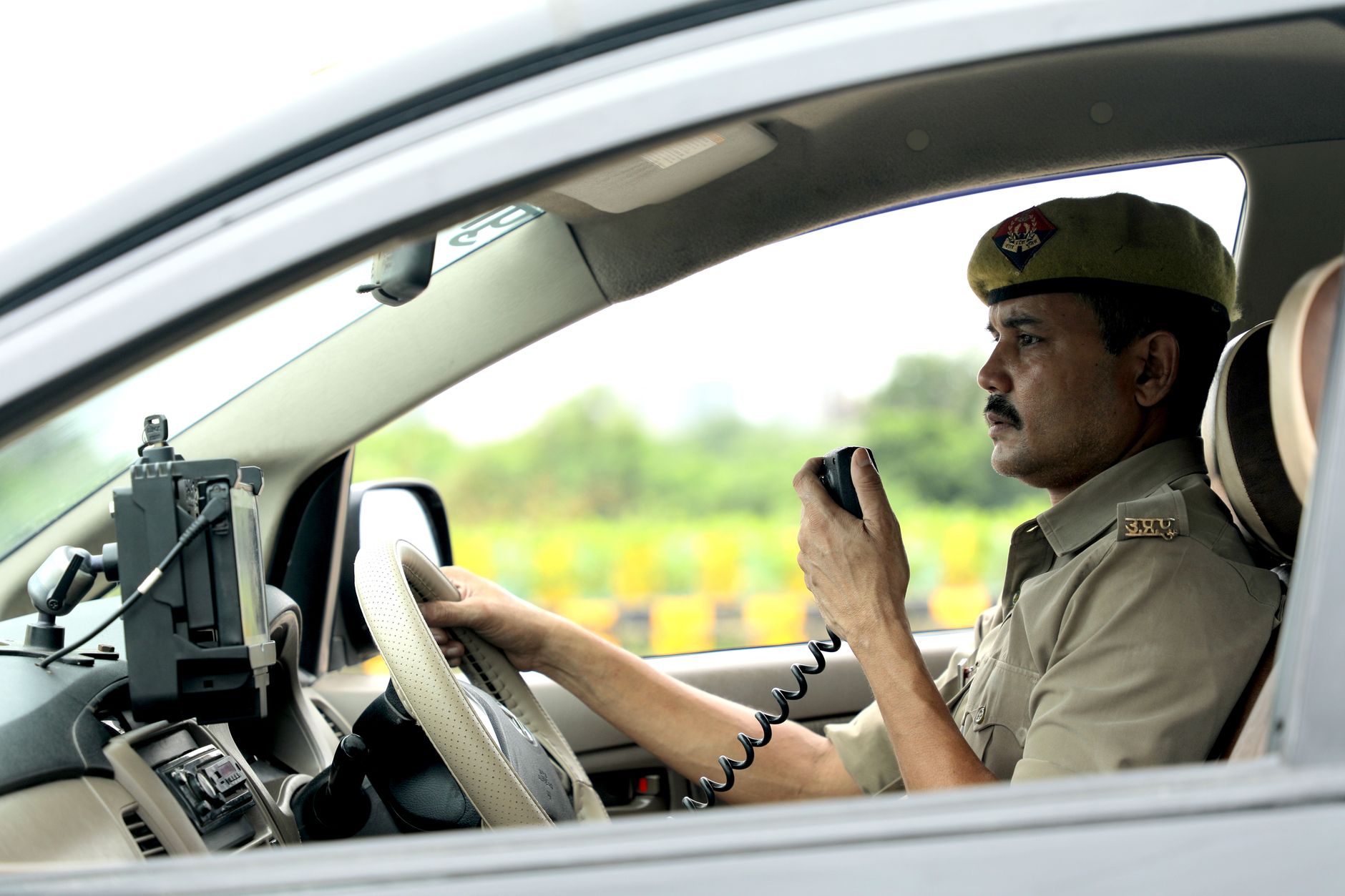
Photo: 112 Uttar Pradesh / Pexels
India's New Traffic Fine Rules for 2026: A Driver's Guide
If you drive anything on Indian roads in 2026 — a scooter, a hatchback, a delivery bike — the rule that should worry you most this year isn't a bigger fine. It's a clock. A traffic challan you ignore now starts a 45-day countdown that can end with your driving licence and vehicle registration suspended. The fine amounts have mostly stayed where the 2019 law put them, but the machinery for collecting them has quietly become a lot harder to dodge.
Here is a clear, current account of what the new traffic fine rules for 2026 actually say, what each common violation costs, and the exact steps to check, pay or contest a challan before it snowballs.

The big change in 2026 is the deadline, not the amount
The headline shift comes from amended central rules that tighten how e-challans are enforced. Once a challan is issued against you, you have 45 days to do one of two things: pay it, or contest it online with supporting evidence. Do nothing, and the law now treats your silence as acceptance.
After that, a 30-day payment window begins. Let that lapse as well and the consequences stack up fast. Transport authorities can move to suspend or cancel both your DL and RC. Licence and registration-linked services — renewals, ownership transfers, address changes — get frozen. Your vehicle can be flagged on government portals as "Not to be Transacted," which effectively blocks any sale or transfer until the dues are cleared. Persistent defaulters can even have the vehicle detained.
Two more provisions deserve attention. First, from 1 January 2026, anyone who racks up five or more traffic offences in a 12-month period can be classed a "serious offender," opening the door to outright licence cancellation. Second, if you want to fight a challan in court rather than online, you now have to deposit at least 50% of the penalty upfront — a deliberate brake on frivolous disputes.
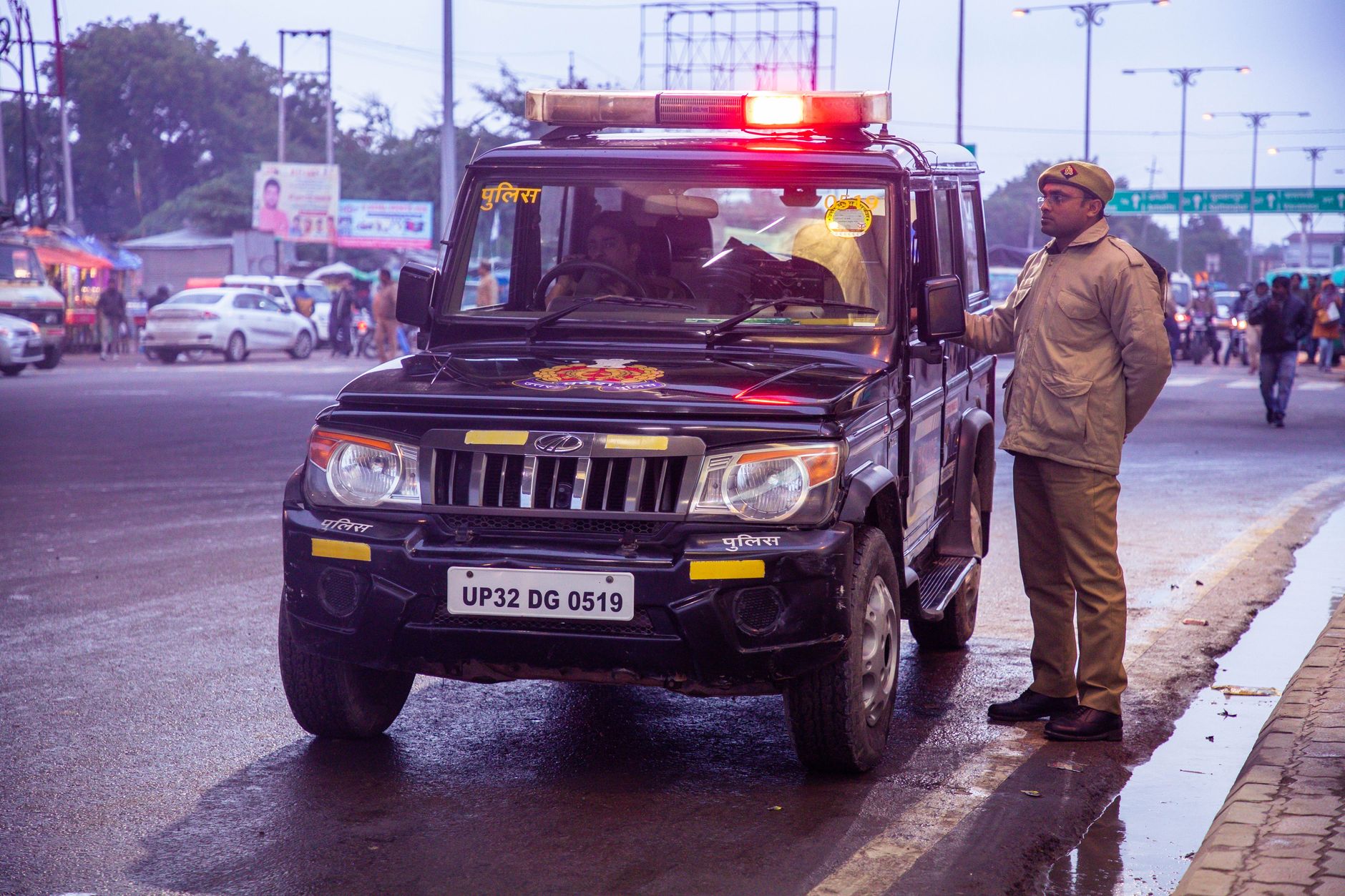
What the common violations actually cost
Before the numbers, one caveat that matters more than any single figure: the Motor Vehicles (Amendment) Act, 2019 sets the maximum penalty for each offence, but individual states notify their own amounts within those ceilings. So a red-light jump can be a flat fixed fine in one state and a court matter in another. Always treat the figures below as the central reference point, then check your own state's notified rate.
With that said, here is where the major penalties stand in 2026:
- Drunk driving: ₹10,000 and/or up to 6 months in jail for a first offence; ₹15,000 and/or up to 2 years for a repeat. This is non-compoundable — it means a court appearance, not a roadside settlement.
- No helmet (rider or pillion): ₹1,000, plus disqualification of the licence for three months.
- No seatbelt: ₹1,000.
- Over-speeding: roughly ₹1,000–₹2,000 for cars and light vehicles, and ₹2,000–₹4,000 for medium and heavy vehicles.
- Dangerous driving: ₹1,000 to ₹5,000 for a first offence under Section 184, rising to ₹10,000 and possible jail for repeats within three years.
- Using a mobile phone while driving: up to ₹5,000 in many states, with higher amounts for repeat offences.
- Driving without a licence: ₹5,000.
- No valid insurance: ₹2,000 and/or up to 3 months for a first offence; ₹4,000 for a repeat.
- No PUC certificate: up to ₹10,000 under Section 190(2). Several states also run a "No PUC, no fuel" line at petrol pumps.
- Driving on the wrong side: ₹1,000 to ₹5,000.
- Not giving way to an emergency vehicle like an ambulance: ₹10,000.
The two outliers worth memorising are the juvenile driving penalty — up to ₹25,000, three years' jail for the guardian or vehicle owner, and cancellation of the vehicle's registration — and overloading, which can run to ₹20,000 plus a per-tonne charge.
How to check what you owe
The single source most states draw from is the central e-challan database. You don't need to wait for a paper notice in the post.
- Open echallan.parivahan.gov.in or your state traffic police website.
- Enter your vehicle registration number, driving licence number or the challan number printed on any notice you've received.
- Add the OTP sent to your registered mobile number if prompted.
- View the list of pending challans, the offence and the amount.
State apps and portals — Delhi Traffic Police, Maharashtra's RTO services, and others — pull from the same records, so the figure should match. If you've changed your phone number since registering the vehicle, update it at the RTO; missed alerts are one of the most common reasons people blow past the 45-day window without realising a challan even exists.
Paying it — and the smart order to do things
Paying is the easy part. The portal accepts UPI, debit and credit cards and net banking, and the challan is marked settled within a day or two. The judgement call is whether to pay or contest.
If the challan is plainly correct — you did jump the signal, the camera caught the plate clearly — pay it inside the 45-day window and move on. Dragging it out gains you nothing now that the suspension machinery is live. If something is genuinely wrong — a cloned number plate, a vehicle that was sold, a camera misread — gather your evidence (sale papers, GPS or toll records, photographs) and contest it online within the same 45 days. That online route is free. The courtroom route, remember, now costs you a 50% deposit just to be heard.
Keep screenshots or receipts of every payment. Disputes over "already paid" challans do happen, and a dated confirmation is the fastest way to settle them.
Why the government tightened the screws
For years the weak link in Indian road enforcement wasn't the rulebook — it was collection. Cameras issued challans by the lakh, and a large share were simply never paid. Offenders gambled, correctly, that nothing would follow. By tying unpaid challans to the things people actually need — selling a car, renewing a licence, transferring ownership — the 2026 framework changes that arithmetic.
The serious offender tag works on the same logic. A driver who collects five violations a year is, statistically, a real risk to everyone else on the road, and the law now gives authorities a clean route to take that licence away rather than just adding another fine to a pile that never gets paid. Whether enforcement matches the ambition will vary by state, but the intent is plainly to make consequences feel real.
A short checklist before you next set off
Most of staying fine-free in 2026 is unglamorous and routine. Run through this:
- Helmet on, strap fastened, for rider and pillion. Seatbelts for everyone in a car, back seats included.
- Phone in a cradle or pocket, not your hand.
- Carry, physically or in the DigiLocker / mParivahan app, your licence, RC, valid insurance and PUC. Digital copies in these official apps are legally accepted.
- Check echallan.parivahan.gov.in once a month, especially before any vehicle sale or transfer.
- If a challan lands, diarise the 45-day date the moment you see it.
The fines themselves haven't become dramatically scarier this year. What changed is that pretending they don't exist is no longer an option. Treat the 45-day clock as the real rule of 2026, and the rest mostly takes care of itself.


