Photo: ATUL Patel / Pexels
Traffic Fines 2026: Five Slip-Ups Can Cost Your Licence
Most drivers in India still picture a traffic fine as a hundred-rupee inconvenience. That mental model is years out of date. Under the framework set by the Motor Vehicles (Amendment) Act, 2019 and tightened further for 2026, a single careless ride can cost thousands, and a careless year can cost you your licence. The biggest shift this year isn't a bigger number — it's a counter that follows you for twelve months.
Here's a plain, current rundown of the traffic fines in India for 2026 that actually matter, the new repeat-offender rule, and exactly how to check, pay or contest a challan without losing money you don't need to.

The 2026 rule that changes everything: five strikes
From 1 January 2026, the focus has moved from how bad one offence was to how often you offend. If you rack up five or more traffic violations in a single calendar year, the RTO or transport authority can suspend or cancel your driving licence for around three months.
What makes this sting is how low the bar is. The five don't have to be serious. A missed seatbelt, an expired PUC certificate, riding without a helmet, jumping one signal, or being caught glancing at your phone at a red light — each one is a tick on the counter. The tally runs from 1 January to 31 December and resets every new year, so last year's slip-ups don't carry over. Authorities are generally expected to give you a chance to explain before suspending the licence, but the direction of travel is clear: frequency now has consequences, not just severity.
The practical takeaway is simple. Treat every challan as part of a running score, not a one-off you can shrug off.

The fines worth memorising
These are the headline penalties under the central law. Remember that states can notify their own amounts, so your city may charge more or less, but these are the reference points most drivers are stopped for:
- Drunk driving: ₹10,000 for a first offence; a repeat can mean ₹15,000 and up to two years in jail.
- Driving without a valid licence: ₹5,000.
- No helmet (two-wheeler): ₹1,000, and your licence can be suspended for three months.
- No seatbelt: ₹1,000.
- Driving without insurance: ₹2,000 for a first offence, ₹4,000 for a repeat.
- No valid PUC (pollution) certificate: up to ₹10,000.
- Using a mobile phone while driving: ₹1,000 to ₹5,000.
- Jumping a red light: ₹1,000 to ₹5,000.
- Dangerous driving: ₹5,000, raised sharply from the old ₹1,000.
- Not giving way to an emergency vehicle (ambulance, fire engine): ₹10,000.
Two numbers surprise people most. A lapsed PUC — a slip of paper many forget for years — sits in the same ₹10,000 bracket as drunk driving. And blocking an ambulance, long treated casually, now carries a five-figure penalty.
Speeding, and why the fine depends on your vehicle
Overspeeding is one area where the amount shifts with what you drive. For a light motor vehicle — your everyday car or two-wheeler — the penalty typically runs ₹1,000 to ₹2,000. For heavier vehicles, or for repeat speeders, it can climb to around ₹4,000, with the possibility of licence impounding for serial offenders.
The complication in 2026 is enforcement. AI-powered cameras, ANPR (automatic number plate recognition) systems and speed sensors mean you often won't see a constable at all. The challan simply lands later, tied to your registration number, sometimes weeks after the fact. You can no longer assume that an empty-looking road means nobody is watching.
The fine no parent should ignore
If a minor is caught driving, the law comes down hard — and not on the child. Underage or juvenile driving carries a penalty of ₹25,000, with the registration of the vehicle liable to be cancelled and the guardian or vehicle owner held responsible, facing up to three years' imprisonment. The minor is typically barred from getting a licence until they turn 25.
It's the costliest routine mistake on this list, and it usually starts with something as innocent as handing a teenager the scooter keys for a quick errand. Don't.
How to check and pay an e-challan
Because so much enforcement is now camera-based, the smart habit is to check for pending challans yourself rather than wait for a notice. Here's the route:
- Go to the official portal, echallan.parivahan.gov.in.
- Enter your vehicle number, challan number or driving licence details and solve the captcha.
- Review any pending challans listed against you.
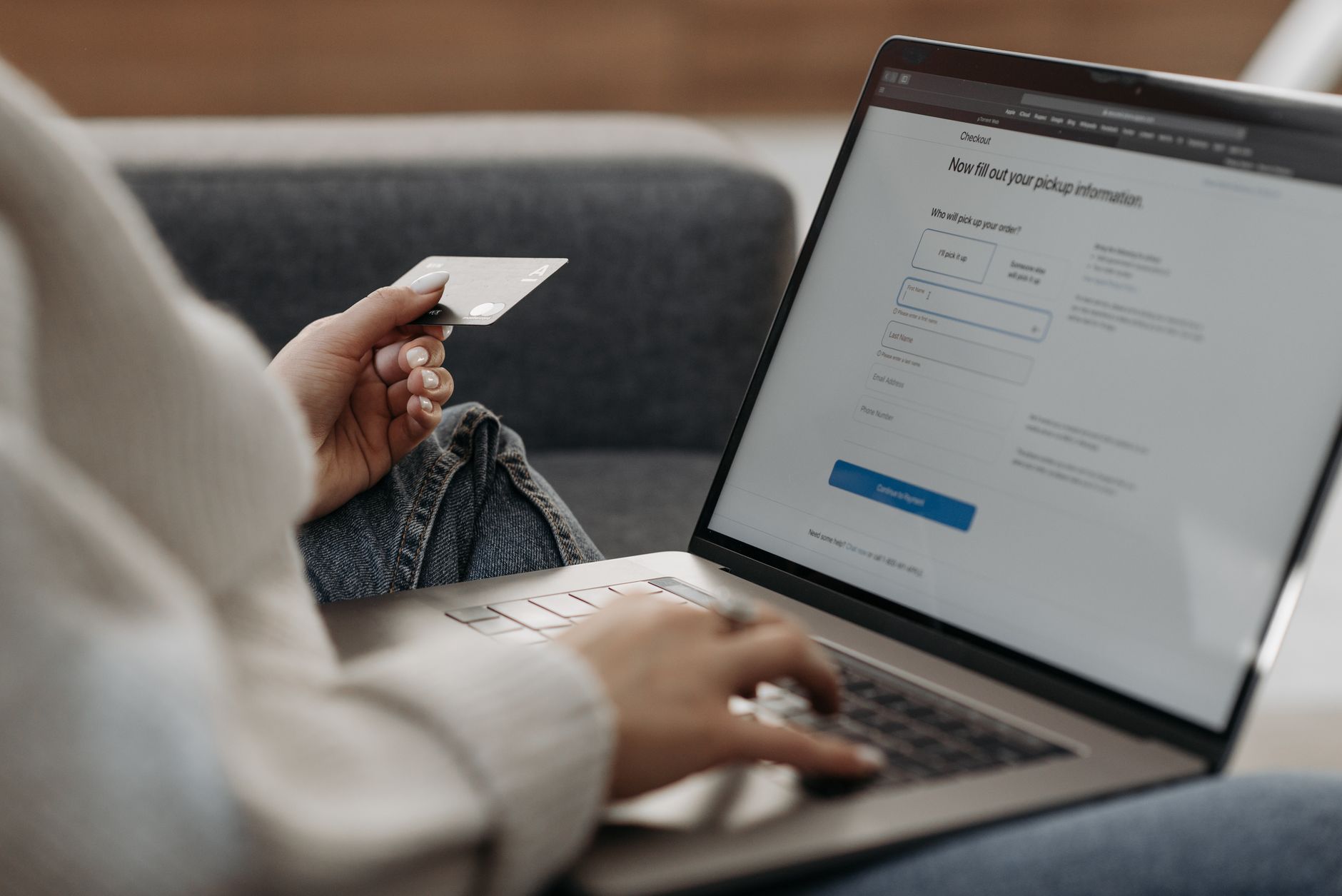
- Pay using UPI, debit or credit card, net banking or a wallet, and save the receipt.
Many state traffic police websites and apps, along with payment apps like Paytm, pull from the same database, so you can use whichever you trust. As a rule of thumb, respond to an online challan within about three days and a physical one within roughly fifteen, and settle the amount well within the window your notice specifies — delay only invites escalation.
If a challan is unfair, or already in court
Not every challan is correct. Number plates get misread, and the wrong vehicle occasionally gets tagged. If you genuinely didn't commit the offence, you can dispute it — gather evidence such as timestamped photos, GPS history or toll records, and raise the grievance through your state traffic police portal or the relevant helpline rather than paying on autopilot.
For challans that have already been pushed to court because they went unpaid, two routes save time and money:
- Virtual Court: Visit vcourts.gov.in, select your state, enter your vehicle number to view outstanding cases, and pay online, often at a reduced figure.
- Lok Adalat: These periodic settlement camps let you clear old, pending challans in a single sitting, frequently with meaningful reductions. Only compoundable offences — those where a fine can replace prosecution — qualify, and the challan must still be unpaid.
Ignoring a challan is the one option with no upside. It can snowball into a court summons, vehicle impoundment or licence suspension, and it quietly adds to that five-violation counter now hanging over every driver.
What this all adds up to
The theme running through India's 2026 rules is that small, repeated carelessness is now expensive in a way it never used to be. Keep your insurance and PUC current, wear the helmet and belt every single time, never let a minor drive, and check your challan status every few weeks so nothing festers. Do that, and the scary numbers above stay where they belong — on a list you read, not a bill you pay.