Photo: Rohit Jha / Pexels
Traffic Fines 2026: New Rules Indian Drivers Can't Ignore
If you drive or ride in India, 2026 is the year the cost of carelessness changed shape. The headline isn't a single bigger fine — it's a quieter rule that watches the whole year. Pile up enough traffic fines and the state can now take your licence off the road for months, not just lighten your wallet. Here is what is actually in force, what each violation costs, and the exact steps to settle a challan before it snowballs.
A caveat up front, because honesty matters more than tidy numbers: penalty amounts in India are not uniform. The Motor Vehicles (Amendment) Act, 2019 sets the ceiling, but every state notifies its own figures and updates them periodically. The amounts below are the widely enforced central maximums for 2026. Always cross-check your own city's rate on the RTO or state traffic police site, because the same offence can cost more in Delhi than in, say, Maharashtra.
The big change: five strikes and your licence is gone
The most consequential update for ordinary drivers has nothing to do with a higher fine. From offences recorded on or after 1 January 2026, if you rack up five or more traffic violations in a single calendar year, the licensing authority can suspend your driving licence — reported widely as around three months for a first round.
What stings is what counts toward that tally. It isn't only the dramatic stuff. A forgotten seatbelt, glancing at your phone at a red light, riding without a helmet, jumping a signal, a missing PUC — each is one strike. Five small lapses across twelve months can end the same way as five reckless ones.
A few things keep it fair, and worth knowing:
- You get a notice and a hearing before any suspension. The authority cannot pull your licence silently.
- Each one-year window is assessed independently — last year's offences don't carry into the new count.
- If you don't respond to a challan within the notice period, the offence can be treated as admitted, which feeds the count automatically.
The practical takeaway: stop treating a ₹500 challan as background noise. In 2026 it's also a data point on a record that can cost you the right to drive.

What the common violations cost
These are the offences most riders and drivers actually get pulled over for, with the typical 2026 penalties. Treat them as benchmarks, not gospel for your exact pincode.
- Drunk driving: ₹10,000 and/or up to six months' jail for a first offence; ₹15,000 and up to two years for a repeat. This is the line that ruins lives, and enforcement is heaviest here.
- Driving without a valid licence: ₹5,000.
- Dangerous driving / using a handheld phone: up to ₹5,000 under the dangerous-driving provision. Holding the phone even for navigation counts.
- Over-speeding: roughly ₹1,000–₹2,000 for cars and light vehicles, and ₹2,000–₹4,000 for heavier vehicles or repeat offences.
- Jumping a red light: commonly ₹1,000, though some states route it through a court challan where the amount is decided there.
- No seatbelt: ₹1,000 — and the driver can be fined for each unbuckled occupant.
- No helmet: ₹1,000, and under Section 194D it can also bring a three-month licence disqualification. A cheap, non-certified helmet draws the same ₹1,000.
- No valid insurance: ₹2,000 first time, ₹4,000 for a repeat, with possible imprisonment.
- No PUC certificate: up to ₹10,000 under Section 190(2).
Notice that a bare helmet or a lapsed PUC now sits in the same conversation as your licence record. The cheap fixes — a ₹500 ISI helmet, a ₹100 pollution check — are insurance against a far bigger number.
Hand the keys to a minor, and you pay
One provision still surprises parents every year. If someone underage drives your vehicle, the law doesn't chase the child — it comes for the registered owner or guardian.
Under Section 199A, allowing a minor to drive can mean a ₹25,000 fine, up to three years' imprisonment, and cancellation of the vehicle's registration for a year. The minor's own eligibility for a licence can be pushed back until they turn 25. The reasoning is blunt: an adult handed over a machine the child wasn't allowed to operate, so the adult answers for it.
If you have teenagers at home and a two-wheeler in the porch, this is the single rule most worth a family conversation.
Why your fine differs from your friend's
It's a genuine source of confusion. Two people commit the same violation in two cities and pay different amounts. That's not a glitch — it's the design.
The central Act fixes the upper limit; states decide where within that range to set their notified fine, and they revise it. Delhi tends to enforce the higher end, with over-speeding at ₹2,000 rising to ₹4,000 for a repeat. Other states sit lower for the same offence. Cities are also leaning hard on AI cameras, ANPR number-plate readers and automated challans, which means more violations are now caught without a constable flagging you down. The envelope that lands at home weeks later is often the first you hear of it.
So when you read a fine figure online, read it as a starting point and confirm the local number.
How to check and pay an e-challan
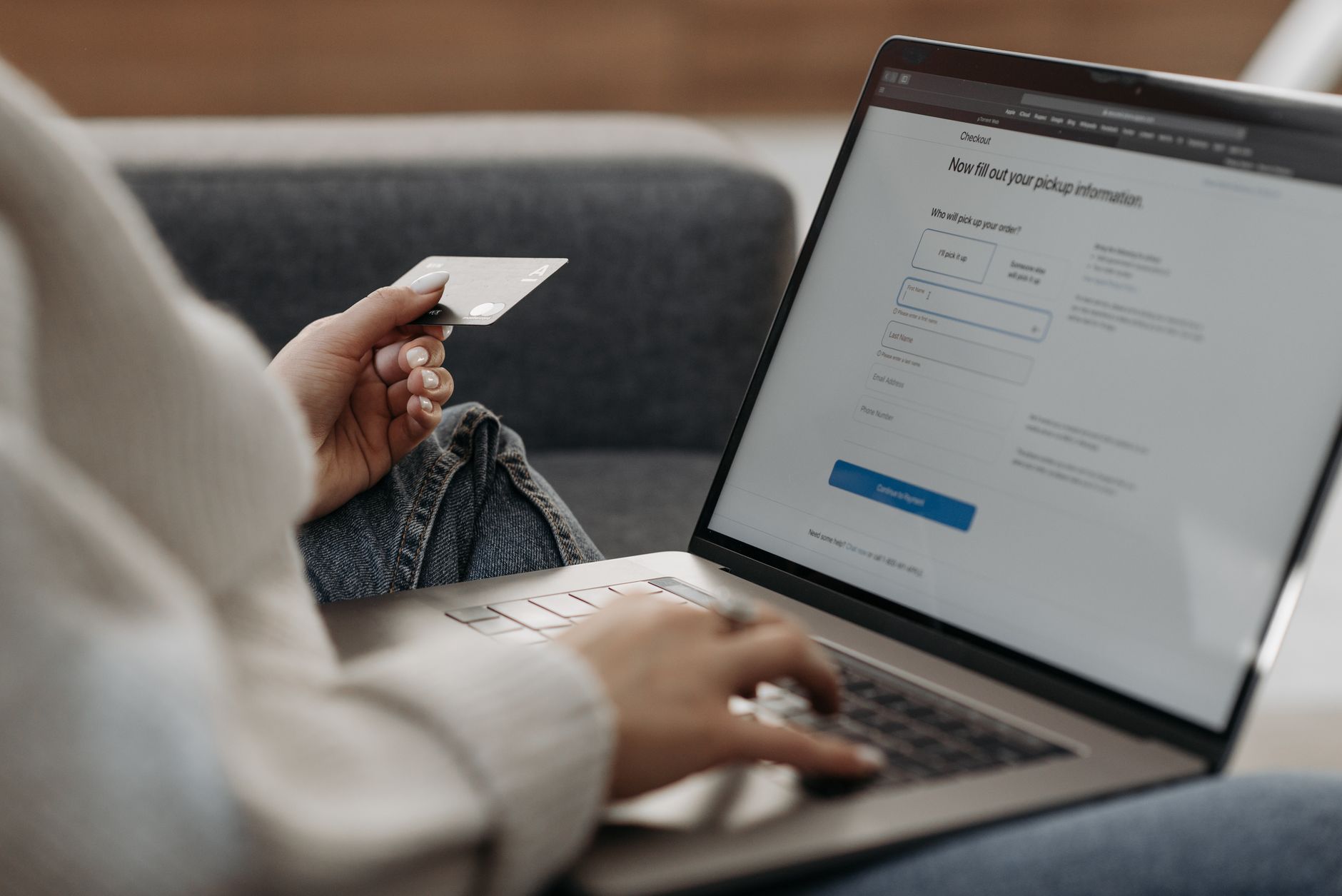
Most challans now arrive digitally and link to your vehicle and phone number. Ignoring one doesn't make it vanish; it makes it worse. After roughly 60 days unpaid, the case can be moved to a virtual court, which can mean a summons and a steeper outcome.
To settle one cleanly:
- Go to the official portal, echallan.parivahan.gov.in (or your state traffic police site / a trusted app).
- Choose the e-challan / check status option.
- Enter your vehicle number, challan number or driving licence number and the captcha.
- Verify with the OTP sent to your registered mobile, then review the pending challan details.
- Pay by UPI, debit/credit card or net banking, and download the receipt.
Paid status can take 24–48 hours to reflect, so check again a day or two later if it still shows pending. Keep the receipt — disputes do happen, and your proof of payment is the fastest way to close them.
Small habits that keep your record clean
None of this requires becoming a nervous driver. It rewards a few boring habits. Buckle up before you start the engine, including the front passenger. Wear a certified helmet, not a token one. Keep your PUC, insurance and licence current, and store soft copies in the DigiLocker or mParivahan app, which are accepted in lieu of physical documents. Check your challan status once a month so a camera-issued fine never quietly ages into a court case or a strike against your licence.
The spirit of the 2026 framework is less about collecting money and more about steady behaviour. The fines were always there. What's new is that the system now remembers them — and after five, it can ask you to step away from the wheel for a while.