Photo: merwak. raw / Pexels
Gold Rate Today, 5 June 2026: 24K, 22K & Silver Prices in India
If you opened your phone this morning to check the Gold Rate Today, here is the short version for 5 June 2026: pure 24K gold is trading around ₹1,54,801 per 10 grams, ornament-grade 22K gold is about ₹1,41,901 per 10 grams, and silver is hovering near ₹2,80,000 per kilogram. Those are eye-watering numbers by any historical yardstick, and they say as much about a weak rupee and jittery global markets as they do about the metals themselves.
This is our practical daily snapshot for Indian buyers — what the rates are, what is pushing them, why your local jeweller may quote something slightly different, and whether today is actually a sensible day to buy. Treat the figures as indicative benchmarks, not the exact bill you will pay at the counter.

Gold Rate Today: 24K and 22K snapshot
Here is where the key metals sit as of 5 June 2026:
- 24K gold (999 purity): approximately ₹1,54,801 per 10 grams
- 22K gold (916 purity): approximately ₹1,41,901 per 10 grams
- Silver: approximately ₹2,80,000 per kilogram (₹280 per gram)
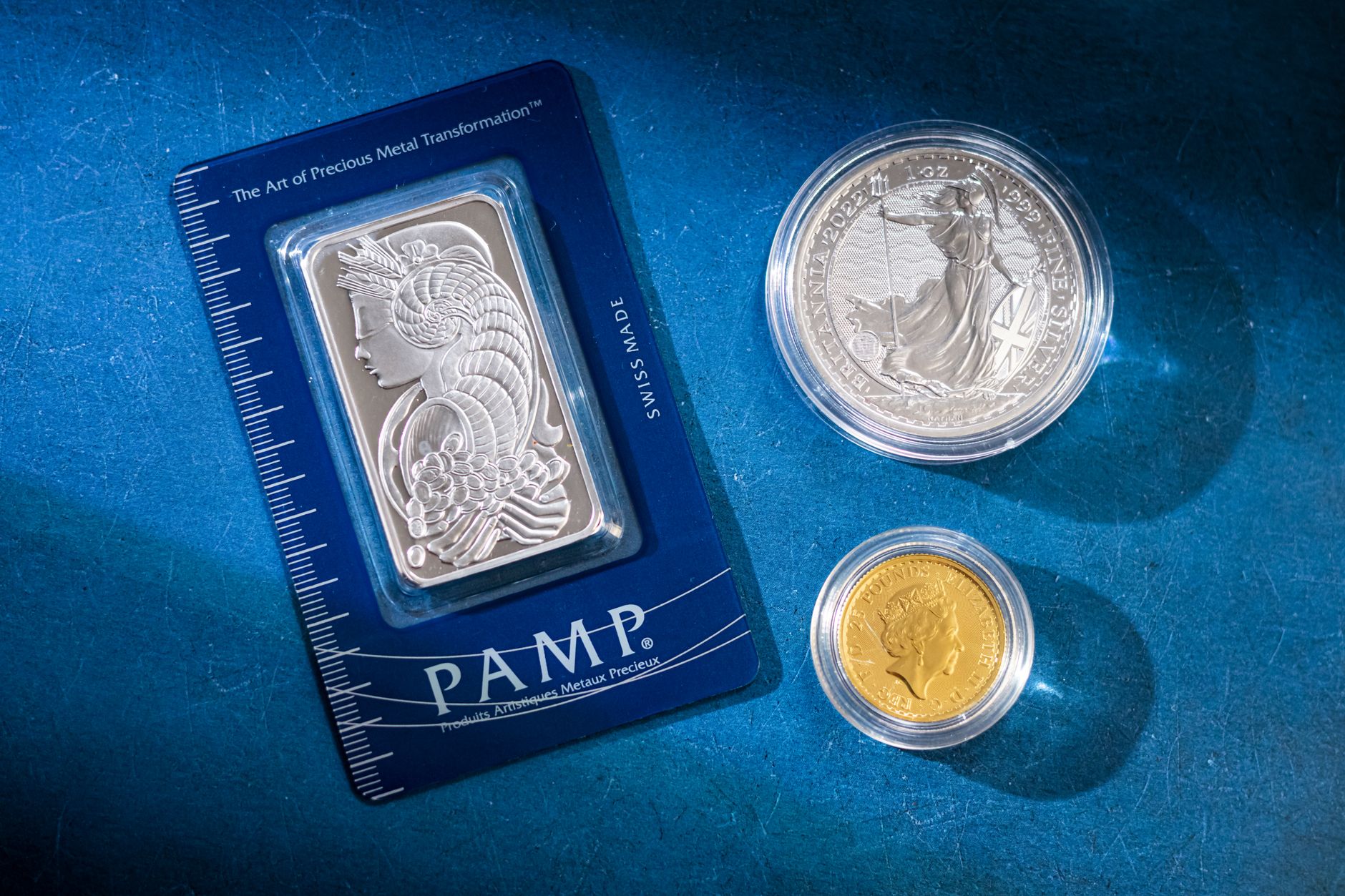
The gap between 24K and 22K is not a discount — it reflects purity. 24K is 99.9% pure but too soft to hold a setting, so it goes into coins, bars and bank-grade bullion. 22K is 91.6% gold alloyed with harder metals, which is why almost all Indian jewellery — bangles, chains, mangalsutras — is made in 22K. If a shop quotes you 24K prices on a necklace, ask questions.

What's moving gold, silver and the markets
Precious metals never move in a vacuum. Three forces are doing most of the work right now.
First, the rupee. The USD/INR rate is around ₹95.66, and a weaker rupee makes imported gold costlier in local terms even when the dollar price is flat. India buys almost all its gold from abroad, so the exchange rate is a hidden lever on every price tag.
Second, global risk appetite. Equities are holding up — the Sensex is near 74,360 and the Nifty 50 around 23,417 — but lingering geopolitical tension and uncertainty over the rate-cut path keep safe-haven demand for gold alive. When investors feel nervous, gold tends to find a floor.
Third, silver's own story. Silver had a dramatic round trip over the past year, spiking to records before a sharp correction, and it remains far more volatile than gold because roughly half its demand is industrial — solar panels, electronics and electric vehicles. That makes it a higher-beta bet: bigger upside, but bigger drawdowns too. For context, Bitcoin is trading around ₹64,25,000, a reminder that the whole 'store of value' universe has been on a tear.
Why your city's rate is different
There is no single national gold price, which is why your cousin in another city may quote a number that does not match yours. Rates differ across Mumbai, Delhi, Chennai, Hyderabad and Bengaluru for a few practical reasons:
- Local taxes and octroi-style levies vary by state and municipality.
- Transport and insurance costs from refining hubs add small differences.
- Jeweller association rates are set locally each morning and can lag or lead the spot move.
- Demand patterns — a wedding-heavy market may carry a slight premium.
Usually the spread between cities is modest — a few hundred rupees per 10 grams — but it is real. Southern markets like Chennai often quote slightly differently from northern ones. Always check the rate published by a trusted local jeweller or association on the day you buy.
The two numbers your bill adds that the rate doesn't show
This is the part that trips up first-time buyers. The 'gold rate today' is only the metal value. Your final invoice almost always includes two extras:
- GST of 3% on the value of the gold (and on making charges).
- Making charges, the jeweller's fee for crafting the piece — often 6% to 20% of the gold value, or a flat per-gram rate. Intricate, hand-finished designs cost more; plain coins and bars cost least.
So a chain quoted at the 22K rate can land 10-25% above the headline metal price once GST and making charges stack up. When you sell or exchange later, making charges are typically not recovered, which is why coins, bars and sovereign-style instruments are cheaper ways to own pure gold than ornate jewellery. Always ask for a hallmarked piece with its six-digit HUID and an itemised bill that separates metal value, making charges and GST.
Is it a good time to buy?
The honest answer: it depends on why you are buying, not on whether today's number feels high.
The case for buying: gold has historically been a reliable hedge against a falling rupee and inflation, and Indian households treat it as both savings and security. If you are buying for a wedding, a long-term goal, or to diversify, sitting on the sidelines waiting for a dip can backfire — gold has repeatedly made new highs after every 'too expensive' moment.
The case for caution: prices are near record territory, and buying a lump sum at the top has burned investors before. Silver in particular is volatile enough that a 10-15% swing in either direction is routine, so position size matters.
A balanced approach for most readers:
- Stagger your purchases rather than going all-in on one day — averaging smooths out the highs and lows.
- Match the form to the purpose: jewellery for use, but digital gold, gold ETFs or gold funds for pure investment, where you avoid making charges and storage worry.
- Cap precious metals at a sensible slice of your portfolio — many advisers suggest keeping gold to roughly 5-15%.
- Never borrow to buy gold or silver as a speculative trade.
If you are a festival or wedding buyer with a fixed timeline, buying in tranches over a few weeks is usually wiser than trying to perfectly time the bottom.
What to watch next
Keep an eye on three signals that will steer the gold rate today and in the coming weeks: the rupee's direction against the dollar, the global interest-rate outlook, and any flare-up in geopolitical risk that sends money toward safe havens. Festival and wedding-season demand at home can also nudge local premiums.
For now, the takeaway is simple: gold and silver are expensive but not irrational given a soft rupee and an uncertain world. Check your city's rate, insist on hallmarking, read the GST and making-charge lines on your bill, and buy in a way that fits your goal rather than the headline. We will be back tomorrow with a fresh snapshot.


