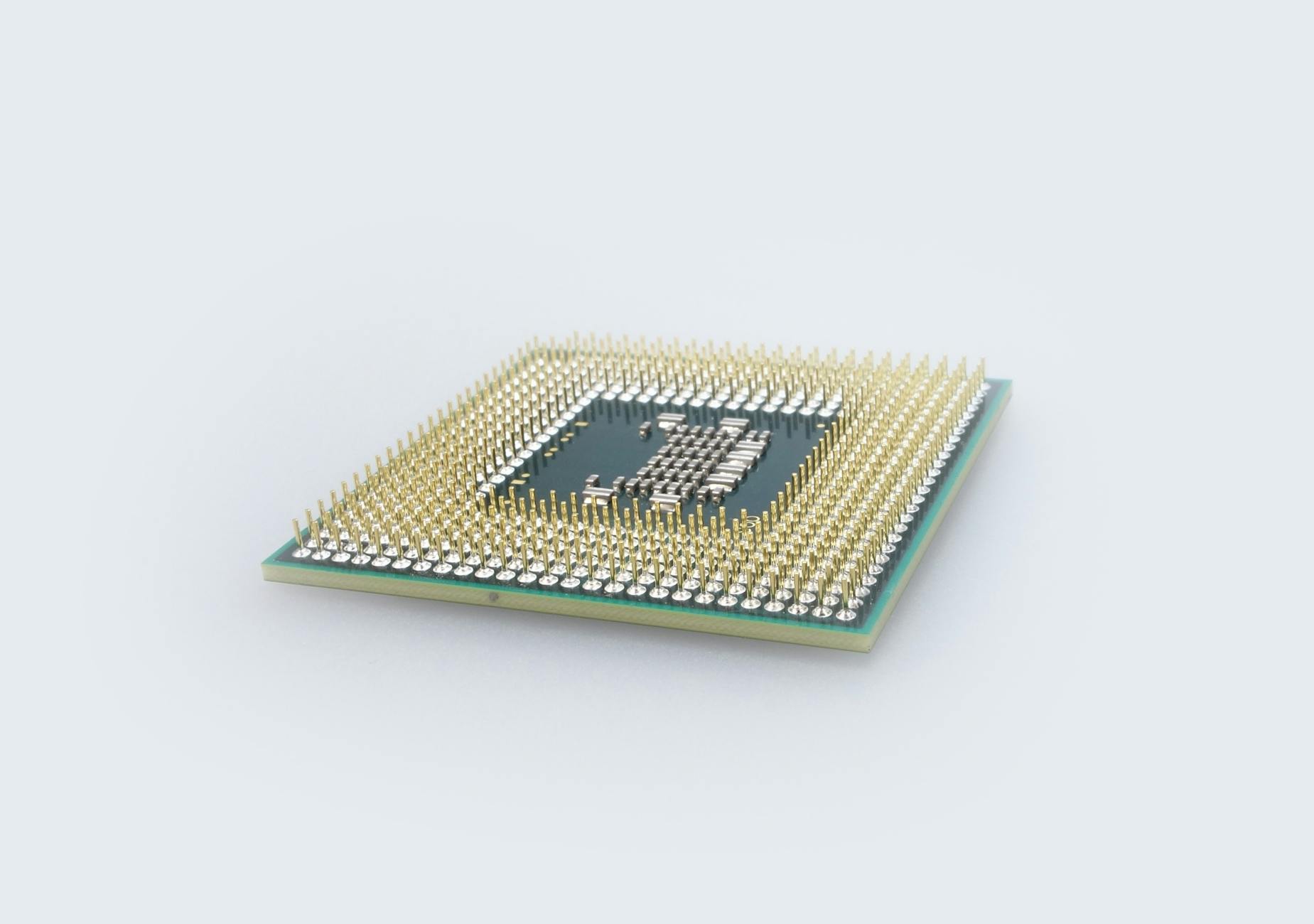
Photo: Pixabay / Pexels
GaN Power Chips: India Builds Its First Gallium Nitride ICs
India has quietly crossed a meaningful line in its long march toward chip self-reliance. For years the conversation around "Made in India" silicon has been dominated by big fabs, foundation stones and assembly plants. But the next great leap in electronics is not just about making more of the same silicon — it is about a fundamentally better material. And on that front, India just shipped its first contender. Cyient Semiconductors has launched the country's first commercial family of GaN power chips, or gallium nitride power integrated circuits, marking a small but symbolically large step into a technology that is reshaping everything from phone chargers to AI data centres.
The announcement, made in mid-May 2026 alongside US-based partner Navitas Semiconductor, may not have the glamour of a flagship smartphone launch. Yet it touches almost every device you will buy this decade, because power electronics is the unglamorous plumbing that decides how efficiently energy flows through a gadget — and how hot, heavy and wasteful that gadget ends up being.

What Exactly Are GaN Power Chips?
For more than half a century, the workhorse material of power electronics has been silicon. It is cheap, abundant and well understood. But silicon is also bumping into the limits of physics. It switches relatively slowly, leaks energy as heat, and forces engineers to add bulky cooling and heavy components to compensate.
Gallium nitride is a so-called wide-bandgap semiconductor. In plain terms, it can handle higher voltages, switch on and off far faster, and run cooler than silicon doing the same job. That combination lets designers build power systems that are smaller, lighter and more efficient. It is the reason the tiny, palm-sized fast charger that fully juices your laptop in under an hour exists at all — older silicon designs would have needed a brick two or three times the size.
The new Indian portfolio is not a single chip but a family of seven devices. Crucially, these are integrated power ICs rather than bare transistors: each one bundles the switching element together with the drive, control and protection circuitry, plus features like current sensing and electromagnetic interference management. That integration matters because it makes the parts far easier for engineers to design into real products without becoming power-electronics specialists themselves.
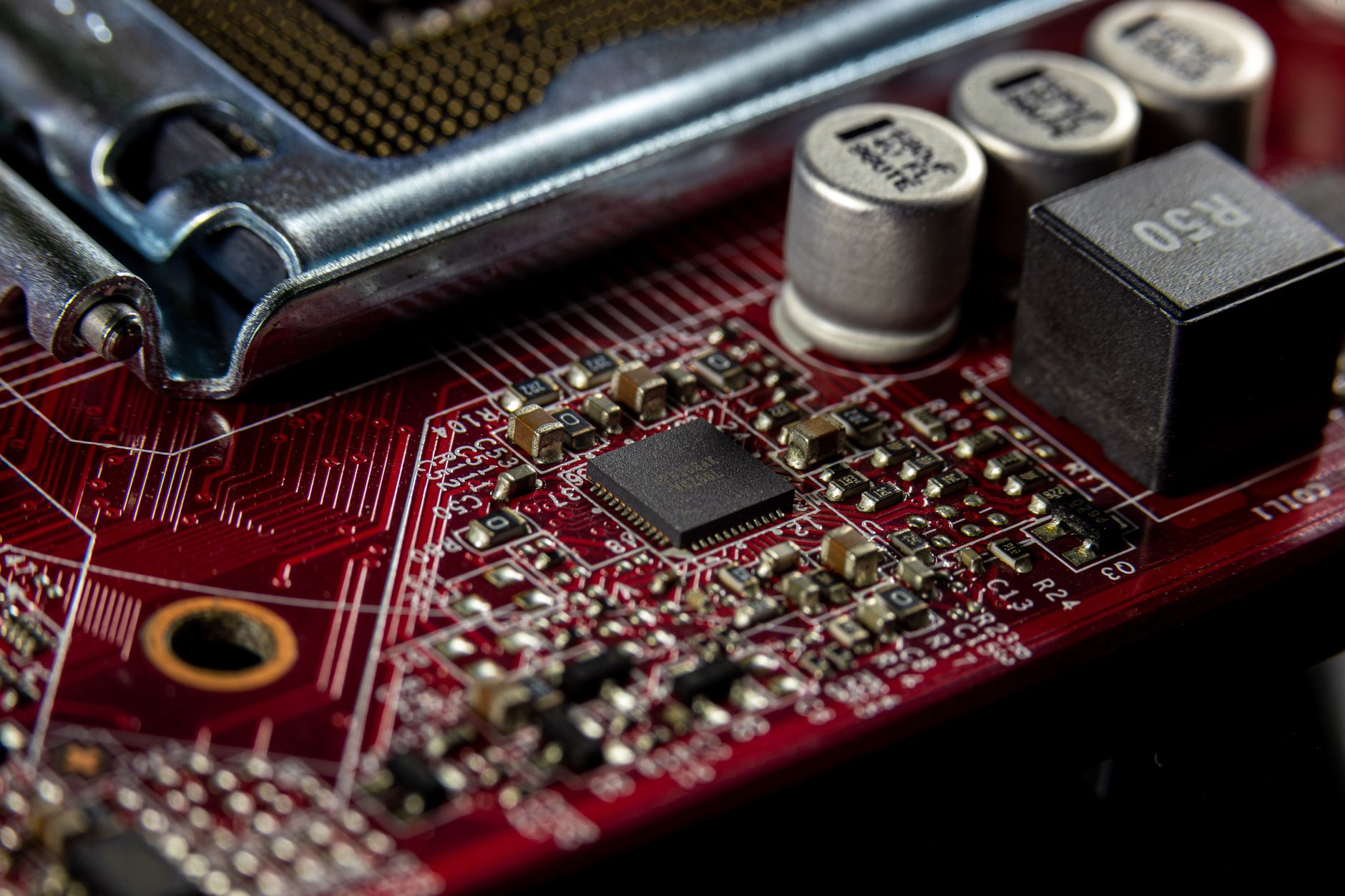
Inside The Seven-Chip Lineup
The initial range is rated at 650 volts, with the underlying devices capable of handling up to 700 volts — a sweet spot for a huge swathe of mains-powered and high-power applications. The chips come in a standard, easy-to-assemble surface-mount package designed for good thermal performance, which is industry shorthand for "it gets the heat out without exotic engineering."
The family spans a range of on-resistance values, roughly from 120 to 330 milliohms. Lower on-resistance generally means the chip can handle more current with less wasted energy, so the spread lets manufacturers pick the right part for the job rather than over-paying for performance they do not need. It is a pragmatic lineup aimed at volume adoption, not a single hero product chasing headlines.
This is also Cyient Semiconductors' first commercial GaN product family, making it a genuine milestone for the company as much as for the country. Sampling — the stage where customers get early units to test and qualify in their own designs — is expected to begin from June 2026, which means real Indian-branded GaN parts are landing in engineers' hands right now.
Why GaN Power Chips Matter For India
The timing is no accident. GaN power chips sit at the intersection of several forces converging on India at once: an explosion in data-centre construction to feed the artificial intelligence boom, a rapid rollout of electric two- and three-wheelers, a fast-charging ecosystem in every pocket, and a national push to reduce dependence on imported electronics.
The new family targets exactly these arenas — AI data centres, telecommunications, consumer fast charging, industrial power systems and electric mobility. Each of these is a market where wasted watts translate directly into higher electricity bills, bigger cooling systems and more carbon. A data centre running thousands of power supplies, for instance, can shave meaningful operating costs simply by switching from silicon to GaN. For an EV maker, lighter and more efficient power conversion can mean a little more range from the same battery.
For a country that imports the overwhelming majority of its semiconductors, having a domestic name in the power-chip game — even one that begins by licensing proven technology — changes the strategic picture. It is the difference between buying every component from abroad and owning a piece of the design and supply chain at home.
The Navitas Partnership And The Licensing Model
It is important to be precise about what has and has not happened here. Cyient Semiconductors is not claiming to have invented a new GaN process from scratch. The chips are built on technology licensed from Navitas Semiconductor, a US-listed specialist that is one of the recognised leaders in GaN power devices.
Under the arrangement, Cyient licenses Navitas's GaN technology for use in India and will also act as a second source for select Navitas devices that are already in mass production. That "second source" detail is more significant than it sounds. In the semiconductor world, customers are deeply nervous about single points of failure — the pandemic-era chip shortages taught everyone that lesson painfully. Having an additional, geographically separate manufacturer of the same part makes the whole supply chain more resilient.
Navitas's chief executive framed the tie-up as advancing a vision of a robust local supply chain and manufacturing presence in India. The agreement explicitly sketches a pathway toward domestic GaN manufacturing — the longer-term prize. Today's launch is about designing and bringing products to market; the ambition is to eventually make more of that journey on Indian soil.
The Bigger Semiconductor Picture
This development slots neatly into a broader story unfolding across India's chip ambitions. The country has been courting fabrication and assembly investments, with high-profile projects underway and the first commercial Indian-made chips expected to reach the market through 2026. Government policy, from production incentives to a budget that has dangled long tax holidays for data-centre and cloud investment, has been engineered to pull this ecosystem into existence.
GaN power chips fit that strategy from a different angle. Building a leading-edge logic fab costs tens of billions of dollars and takes years. Power electronics, by contrast, offers a faster, more capital-efficient on-ramp into advanced semiconductors — one where India can build design expertise, packaging capability and customer relationships without first matching the world's most expensive factories. It is a smart place to plant a flag.
There is also a competitive subtext. China has moved aggressively into GaN and silicon-carbide power devices, and the global race to dominate wide-bandgap materials is intensifying as electrification accelerates. For India to have even a licensed foothold in this space, with a stated roadmap to localise, is a hedge against being left dependent on rivals for a technology that will sit inside almost every future electric vehicle and AI server.
What Comes Next
The honest assessment is that this is a beginning, not a triumph. Seven chips, built on licensed technology and only now entering the sampling phase, do not by themselves make India a power-semiconductor powerhouse. The real tests lie ahead: whether customers design these parts into shipping products, whether volumes scale, and whether the promised move toward domestic manufacturing actually materialises rather than remaining a line in a press release.
But milestones matter precisely because they are firsts. A few years ago, the idea of an India-branded GaN power IC family would have been aspirational. Now it is sampling. If the partnership delivers on its localisation roadmap and the target markets — AI infrastructure, EVs, fast charging — grow as expected, these unglamorous little chips could end up being one of the more consequential entries in India's semiconductor story. Watch this space, and watch your charger get smaller.
Source: stocktitan.net