Photo: Douglas Guix / Pexels
The Long Wait at the Window: Fixing India's Grievance System
Anyone who has chased a pension correction, a delayed ration card, or a property record knows the particular exhaustion of it. You file the complaint, you get an acknowledgement number, and then nothing. The file moves to another desk, then back, then sideways. Months pass. The frustrating part is not that India lacks a system for this. It has one of the largest digital grievance redressal machines in the world. The problem is the distance between a complaint being closed on a dashboard and a citizen's problem actually being solved.
This is an analysis, not a verdict on any government or party. Grievance redressal is one of the few areas of governance where successive administrations across states and the Centre have genuinely tried to improve, and the data shows real movement. It is also an area where honest citizens are still let down often enough that pretending otherwise would be dishonest. Both things are true at once.
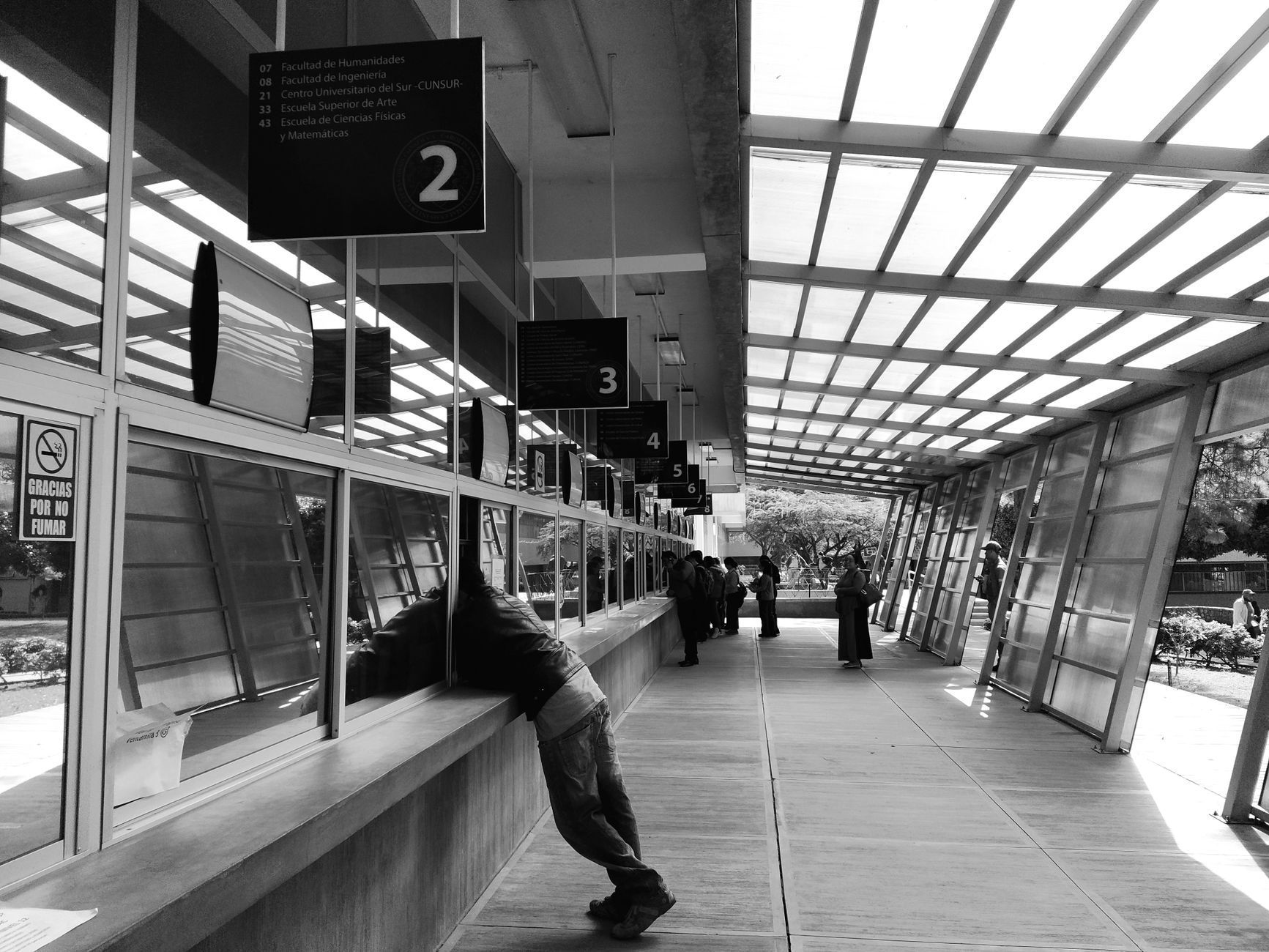
The wait is real, even when the numbers improve
Start with what is undeniably better. The Centre's CPGRAMS portal, the Centralized Public Grievance Redress and Monitoring System, now closes a typical complaint in about 15 to 16 days on average for central ministries, down from roughly 27 to 28 days a few years ago. In October 2025 alone, central departments recorded over 1.44 lakh grievances resolved. That is not a trivial scale, and the speed gain is real.
Yet averages hide the cases that break people. As of early 2026, central ministries were still sitting on around 71,800 pending grievances, of which nearly 5,845 had been pending for more than 90 days. A three-month-old complaint about a withheld pension or a stuck scholarship is not a statistic to the household waiting on it. And the central portal is only the visible tip. The vast majority of everyday friction happens at municipal counters, tehsil offices, electricity boards and police stations, where tracking is patchier and a citizen's only real tool is to show up again and again.

A closed file is not the same as a solved problem
The deeper issue is quality, not speed. CPGRAMS asks citizens to rate how their grievance was handled, and the satisfaction figure has hovered around 62% on feedback collected through its call centre. In plain terms, close to four in ten people who bothered to respond were not happy with the outcome. Anyone who has received a one-line reply that restates the rules without addressing the actual problem understands why.
This is the classic failure mode of any complaint system: the incentive to mark a case "disposed" is stronger than the incentive to fix it. A grievance can be technically closed with a generic note, a redirection to another office, or an instruction to file a fresh application elsewhere. The dashboard turns green. The citizen is back at square one. To its credit, the Department of Administrative Reforms now mandates a detailed Action Taken Report before a case can be shut, which forces officials to record what they actually did. The intent is right. The challenge is making sure the report describes a real resolution and not a polished dead end.
What governments have genuinely got right
It would be unfair to treat this as a story of pure dysfunction. Several reforms over the past few years have moved the needle, and they deserve a fair hearing.
- Tighter timelines. Comprehensive guidelines issued in August 2024 cut the redressal target from 30 days to 21 days, with a requirement to send an interim reply if a case needs longer.
- A real appeal route. If you rate a resolution as unsatisfactory, CPGRAMS now lets you escalate to a higher officer, building a second look into the process rather than leaving you stranded.
- Rural reach. Integration with the Common Service Centre network means a villager without a smartphone or English can file through a local operator, which matters enormously for who actually gets heard.
- Senior-level review. A framework introduced in January 2025 puts grievance review on the desk of secretaries to the government, signalling that this is leadership business, not a back-office chore.
- State service guarantees. Most states now have a Right to Public Services Act, starting with Madhya Pradesh in 2010 and Bihar in 2011, fixing legal deadlines for routine services like caste and income certificates, mutations and licences.
Taken together, these are not cosmetic. A system that resolves tens of lakhs of complaints a year and has cut its average wait by almost half in six years is a system that is trying. The question is how to close the gap that remains.
Where it still breaks down for ordinary people
Four weak points show up again and again, regardless of which government runs the office.
First, toothless penalties. The state service-guarantee laws look strong on paper, but the fines for missing a deadline are often small, rarely imposed, and almost never reach the citizen as compensation. A law without a real cost for breaking it slowly becomes advice.
Second, the awareness gap. Many citizens do not know CPGRAMS exists, do not know their state has a Right to Service Act, or do not know which of a dozen portals and helplines is the correct one. People who most need redressal, the poor and the less literate, are the least likely to navigate it without help.
Third, redirection loops. Complaints get bounced between departments because no single officer owns the outcome. The grievance is forwarded, not fixed, and the clock quietly resets each time.
Fourth, the same-office problem. When the body that caused the harm is also the body that judges your complaint about it, the deck is tilted. Genuine independence at the appeal stage is the exception, not the rule.
The reforms that could actually move the needle
Governance scholars and a parliamentary standing committee that examined this exact subject have converged on a fairly practical list. None of it requires reinventing the system; it requires hardening what already exists.
- Root-cause analysis over one-off fixes. If hundreds of people complain about the same broken process, fix the process. Treating each grievance as isolated guarantees the same complaint arrives forever. Mandated trend analysis turns a complaint box into an early-warning system.
- Independent appeals. An appellate authority that sits outside the offending department, with the power to reward diligent officers and penalise negligent ones, changes the incentive from closing files to solving them.
- An enforceable citizens charter. India has tried before. A national Citizens Charter and Grievance Redressal Bill was introduced in 2011 and lapsed. A statutory charter that legally commits each office to specific service standards, with consequences, would give the whole structure teeth.
- Compensation that reaches the citizen. Penalties for missed deadlines should partly flow to the person who was made to wait, not just into a government account. That single change makes a deadline feel real.
- One front door. A genuinely unified, multilingual entry point, voice-enabled and integrated across central, state and local bodies, would end the hunt for the "right" portal.
- Publish quality, not just volume. Headline counts of cases disposed should sit alongside satisfaction scores, reopened-case rates and pendency by age, so the public can see resolution quality, not just throughput.
Why this is worth getting right
Grievance redressal is where the citizen meets the state at its most ordinary, and most revealing. A nation's big policies are debated in Parliament, but trust is built or lost at the window where a person asks for the document they are owed. Every templated reply that closes a real problem chips away at faith in the whole system. Every grievance genuinely solved buys a little of it back.
The encouraging part is that this is a solvable problem. The scaffolding exists, the data is improving, and the reforms required are specific and unglamorous rather than sweeping. What it needs now is the patience to measure the right things and the resolve to make a missed deadline cost the office, not the citizen. Get that balance right, and the long wait at the window starts to shorten for the people who have waited the longest.