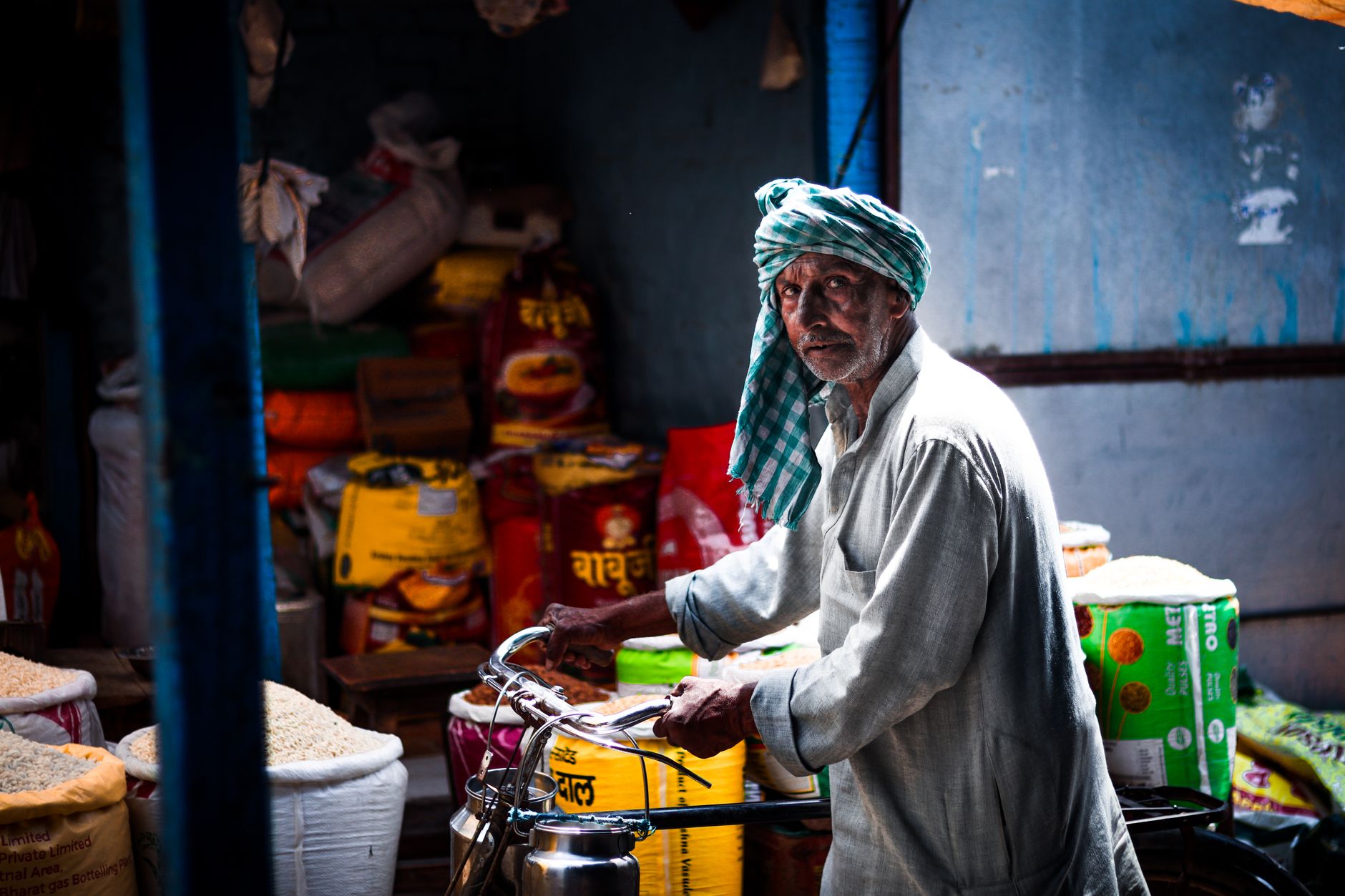
Photo: Swastik Arora / Pexels
June 2026 Festivals: One Extra Month Crammed Them Into a Week
If your June felt strangely empty of festivals until now, you read the calendar right. For the first two weeks of the month, India's Hindu calendar went quiet. No major fasts, no big temple processions, almost nothing to circle in red. Then, as if a dam broke, the June 2026 festivals all bunched together in the back half of the month. The reason is a quirk of the lunar calendar that arrives only once every few years.

The leap month that hollowed out early June
The culprit is Adhik Maas, the extra month the Hindu calendar inserts to keep its lunar months in step with the solar year. This year it landed on Jyeshtha, so we had a full Adhik Jyeshtha running roughly from May 17 to June 15. A leap month is treated as set aside for prayer, charity and pilgrimage rather than for the usual round of celebrations. Weddings, housewarmings and new ventures are typically avoided, and the festivals that would normally fall in Jyeshtha simply wait.
That waiting is exactly why early June looked bare. The dates didn't vanish. They were held back until the genuine Jyeshtha month resumed, which is what crowded everything into a single dense week at the end.
June 15: two things at once
Today, June 15, is the hinge. It marks the close of Adhik Jyeshtha, which lets the regular festival cycle restart. It is also Mithuna Sankranti, the day the Sun crosses into Gemini. People mark it with a dip in a river, acts of charity and Surya worship, and across much of India it is read as the cue that the monsoon has properly arrived.
In Odisha the same Sankranti carries a farming ritual called Raja, while in parts of the south and east it doubles as an agricultural new-month marker. It is a low-key day compared with what follows, but it is the gate the rest of the month walks through.
The last week does all the heavy lifting
From around June 24, the calendar finally fills up. Here is the cluster worth planning around:
- Ganga Dussehra (around June 24): the day commemorating Ganga's descent to earth in the story of King Bhagirath. Devotees bathe in or offer prayers to rivers, and the Ganga's ghats at Haridwar, Varanasi and Rishikesh draw the biggest crowds.
- Nirjala Ekadashi (June 25): the toughest fast of the year, kept without food or even water from sunrise to the next day. It is believed to carry the merit of all the year's other Ekadashis combined, which is why so many who skip the rest observe this one.
- Pradosh Vrat (June 27): a twilight fast for Shiva, kept in the hour and a half around sunset.
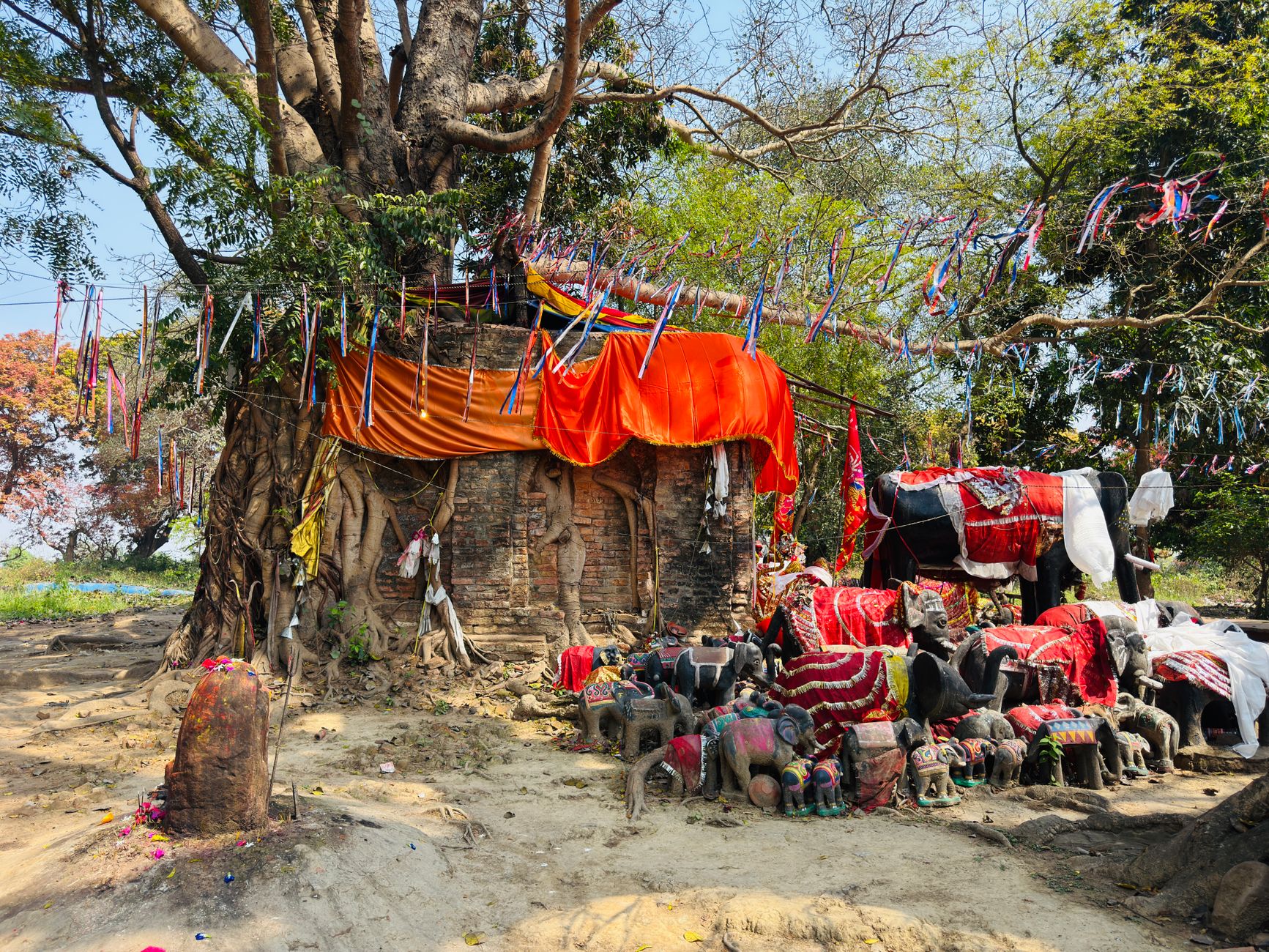
- Vat Purnima / Vat Savitri (June 29): married women tie sacred thread around a banyan tree and pray for their husbands' long life, drawing on the legend of Savitri winning Satyavan back from death. The shift to June 29 instead of late May is purely down to the extra month.
- Jyeshtha Purnima (June 29): the full moon of the month, an auspicious day for bathing, donation and moon worship.
- Sant Kabir Jayanti (June 29): the birth anniversary of the 15th-century mystic-poet Kabir, whose blunt verses against ritual and caste still get quoted in everyday Hindi.
Three of those land on the same Monday. June 29 is doing more work than any other day in the month, which is unusual and worth knowing if you keep fasts or plan family gatherings around them.
Why a 'missing' first half is the point
It is easy to read the empty early weeks as the calendar slipping. It is the opposite. The leap month is a correction the system makes on purpose, and the tradition's response is to treat that stretch as Purushottam Maas, a window named for Vishnu and considered especially good for reading scripture, chanting and giving.
So the quiet was never dead time. For the observant, the first half of June was meant for inward practice, and the burst of festivals afterwards is the calendar catching up on everything it had paused. Understanding that turns a confusing month into a readable one: devotion first, celebration after.
The secular dates worth a place too
June is not only a religious calendar, and a few global observances sit alongside the Hindu ones:
- World Environment Day (June 5): marked across schools, offices and city governments with tree drives and clean-ups.
- International Day of Yoga (June 21): the date India championed at the UN, now an annual set-piece with mass sessions from Delhi's lawns to small-town maidans.
- Father's Day (June 21): the third Sunday of the month, which happens to share the date with Yoga Day and World Music Day this year.
That June 21 pile-up is its own small coincidence, a Sunday carrying three very different reasons to step out.
What rolls in the moment June ends
The lunar month of Ashadha begins on June 30, and it sets up the next headline event. Devshayani Ekadashi, the day Vishnu is said to begin his four-month cosmic sleep, opens the Chaturmas period in mid-July and traditionally pauses weddings again until autumn.
The biggest draw waiting just over the line is Puri's Jagannath Rath Yatra, scheduled for July 16, 2026, when the three deities ride their towering wooden chariots down the Grand Road. If June's lesson is that the calendar front-loaded its quiet and back-loaded its festivals, July's is that the spectacle is only getting started.
A simple way to plan the rest of the month
If you want to keep it straight without a panchang open on your phone:
- Treat June 24 to June 29 as the festival window. Almost everything that matters is inside it.
- If you fast for only one Ekadashi a year, June 25 is the traditional pick.
- Block June 29 for any Vat Purnima or full-moon observance, and remember the temples and riverbanks will be busiest then.
- Expect markets, flower vendors and sweet shops to stay calm early in the month and spike sharply in the final week.
Months shaped by a leap month don't come often, and they reward a little reading-ahead. Once you know an extra Jyeshtha quietly rearranged the schedule, June 2026 stops looking empty and starts looking simply back-weighted, with its best week saved for last.