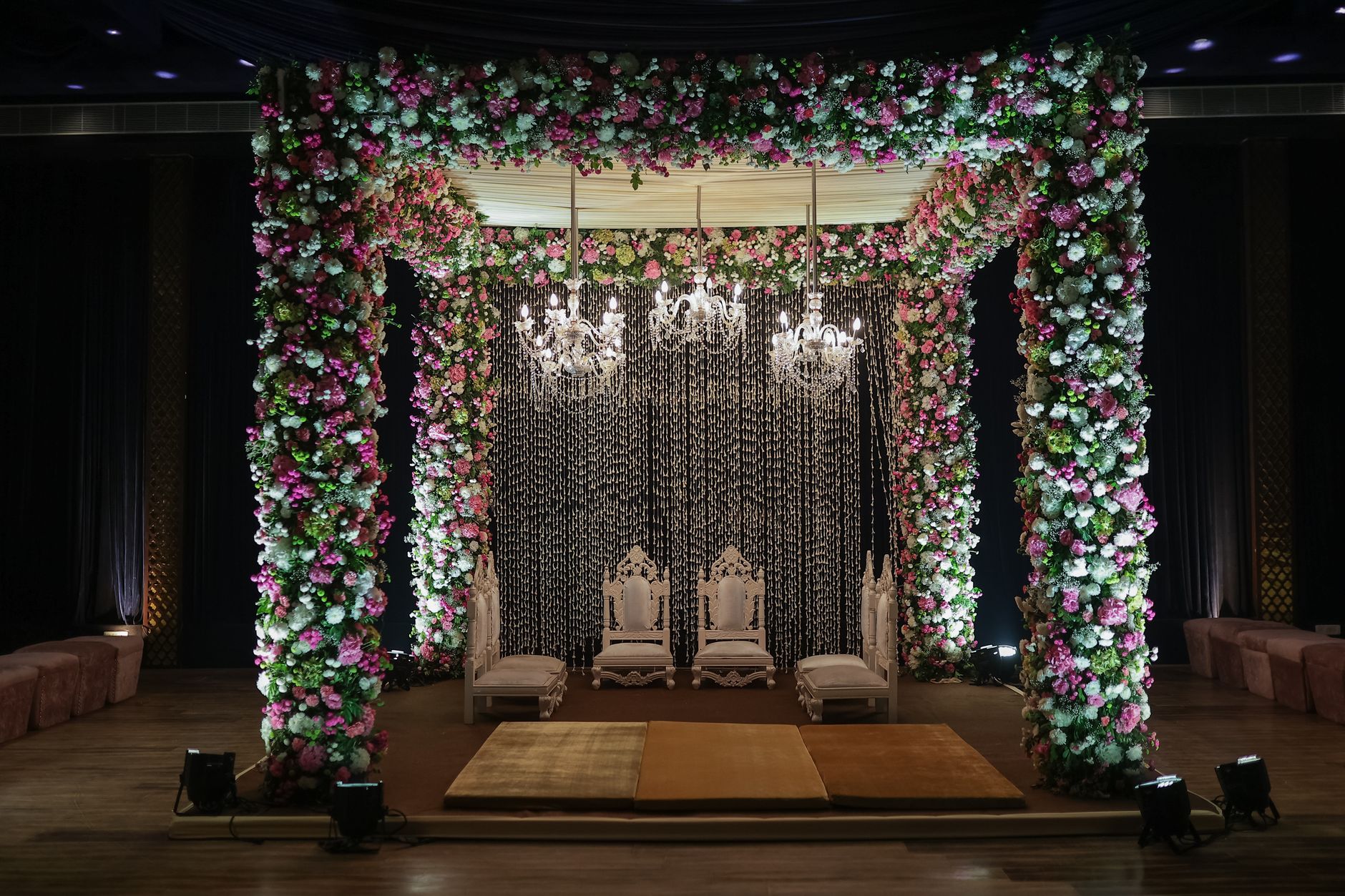
Photo: The Visionary Vows / Pexels
Manglik Dosha Myths: What Actually Matters for Marriage
Few phrases can stall an Indian wedding faster than "the kundli says she's Manglik." A match that ticked every box — family, education, chemistry — can collapse the moment an astrologer spots Mars in the wrong house. Mangal Dosha myths cause real heartbreak, broken engagements and quiet anxiety, often based on rules that even traditional astrology would qualify. Here's what the belief actually claims, where the fear runs far ahead of the text, and what genuinely decides whether two people stay happy.
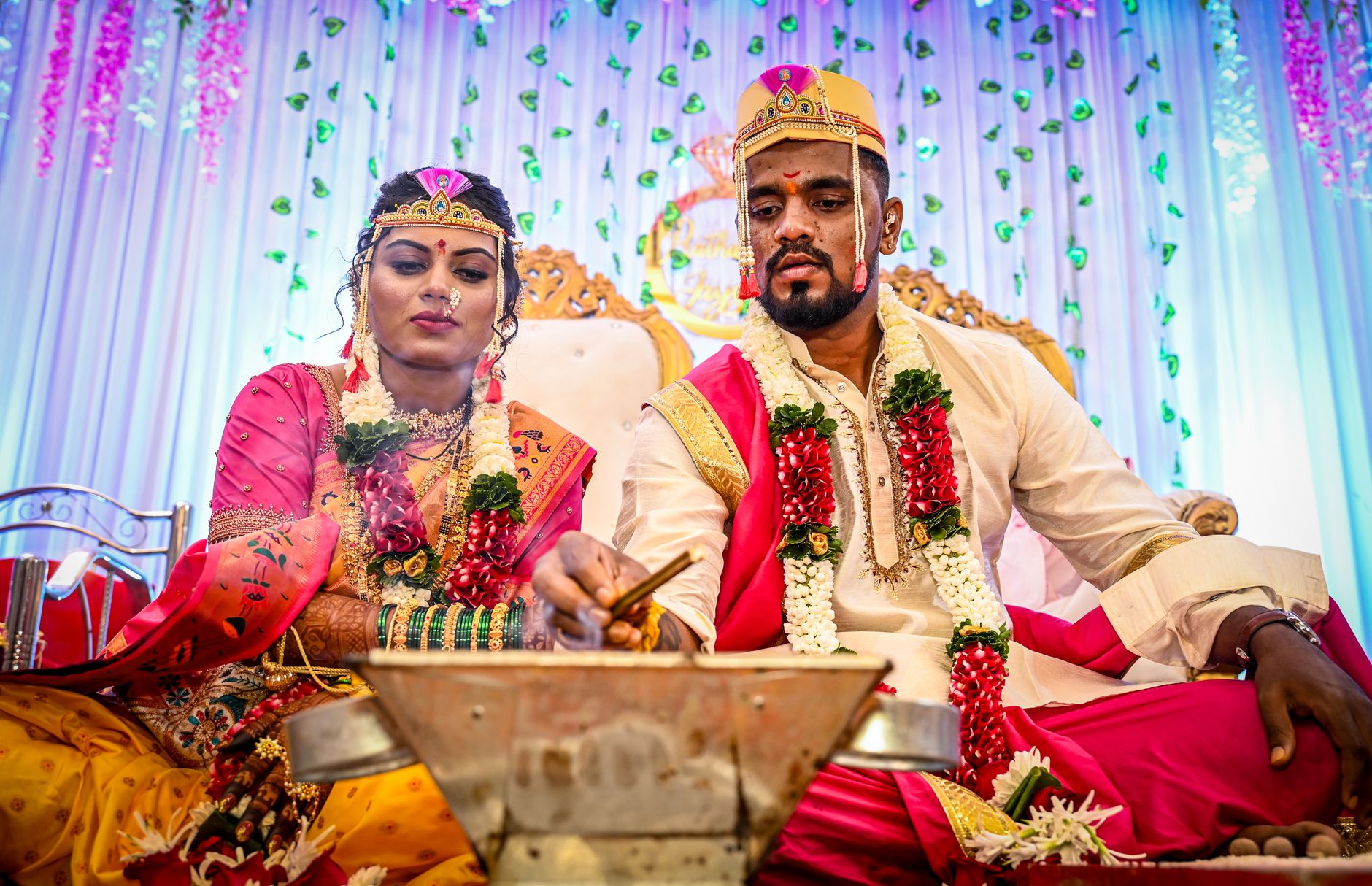
What Mangal Dosha actually means
In Vedic astrology, a person is called Manglik (or having Mangal Dosha) when Mars occupies specific houses in their birth chart — most commonly the 1st, 4th, 7th, 8th or 12th house counted from the ascendant. Mars is treated as a hot, aggressive planet, and these houses touch self, home, marriage, longevity and intimacy.
The traditional worry is that this "fiery" placement injects friction, temper or even danger into married life. But the dosha is not a single fixed rule. Different schools count it from the Moon or Venus too, weigh some houses more heavily than others, and disagree on whether the 2nd house should be included at all. Two competent astrologers can look at the same chart and reach opposite verdicts.

Myth 1: Being Manglik is rare and ominous
The first myth is that Manglik status is some unlucky lottery ticket. In reality, Mars spends time in those five houses across a large share of charts. By a rough back-of-envelope logic — five flagged houses out of twelve — a strikingly high proportion of people qualify under at least one definition.
If the condition were truly catastrophic and this widespread, you would expect a visible epidemic of failed marriages tied to it. You don't. That alone should temper the dread families attach to the word. A label that applies to a huge slice of the population is not a personal curse.
Myth 2: A Manglik dooms their partner
The darkest version of the belief claims a Manglik can bring harm or even early death to a spouse. This is where folklore has hardened into something genuinely cruel, fuelling discrimination especially against women, who are more often the ones "blamed" when a match is called off.
Classical texts are far more cautious than WhatsApp forwards. They list numerous conditions — Mangal Dosha bhanga, or cancellations — under which the dosha is said to weaken or disappear entirely. Common cancellation factors include:
- Mars placed in its own sign or a friendly sign (such as Aries, Scorpio or Capricorn).
- The presence of Jupiter or Venus aspecting or sitting with Mars.
- The effect fading naturally with age, with many astrologers citing the late 20s as a softening point.
- Mars in certain houses for specific ascendants, where it is considered benign.
In other words, even within the tradition's own logic, a raw "Manglik" verdict is the beginning of the analysis, not the end.
Myth 3: Two Mangliks always cancel out
A popular fix is to marry two Mangliks together so their doshas "neutralise." There's a comforting symmetry to it, and many such marriages are perfectly happy — but the idea is often misapplied. The cancellation rules depend on which houses Mars sits in for each person; pairing two charts blindly because both carry the same label is folk shorthand, not careful astrology.
The deeper problem is treating this as a compatibility test at all. Whether two people thrive together has little to do with a matched planetary tag and everything to do with how they handle money, in-laws, conflict and ambition. Sharing a dosha tells you nothing about whether you share a life vision.
Myth 4: Only elaborate remedies can fix it
Worried families are routinely sold dramatic remedies. The best known is Kumbh Vivah, where a Manglik is symbolically "married" first to a peepal tree, a banana plant, a clay pot or even an idol, so the supposed ill-effect lands on the object instead of the future spouse. Others involve reciting the Mangal mantra, wearing a red coral (Moonga) gemstone, fasting on Tuesdays, or sponsoring specific pujas.
Here's an honest reading of the options:
- Do nothing extra. If the chart has natural cancellations, many astrologers themselves say no remedy is needed. This costs nothing and risks nothing.
- Symbolic rituals (Kumbh Vivah, pujas). These can offer real psychological comfort and family peace. Treat them as emotional closure, not as physics — and beware anyone demanding large sums.
- Gemstones and mantras. Low-stakes if affordable, but red coral of decent quality isn't cheap, and there's no evidence it changes outcomes. Buy only from a trusted seller and never under pressure.
The cost of these fixes ranges from a few hundred rupees for a basic puja to tens of thousands for a staged Kumbh Vivah with priests and gemstones — money worth questioning before it's spent on fear.
What actually predicts a happy marriage
Strip away the astrology and decades of relationship research point to far more boring — and far more reliable — predictors. A widely cited Indian study from the 2000s examining Manglik status found no statistically meaningful link between being Manglik and marital discord, reinforcing what counsellors see daily.
The factors that genuinely move the needle are practical:
- Communication: Can the couple disagree without contempt and actually repair afterwards?
- Financial alignment: Shared attitudes to spending, saving and debt prevent the most common fights.
- Family dynamics: Realistic expectations about in-laws, living arrangements and boundaries.
- Shared values: Agreement on children, careers, religion and how much independence each person keeps.
- Respect and emotional safety: The quiet, daily sense that your partner is on your side.
None of these appear in a Mangal Dosha verdict, yet they decide almost everything.
How to handle a Manglik flag sensibly
If astrology matters to your family, you don't have to dismiss it to stay rational about it. A balanced approach keeps the peace without sacrificing a good match.
First, get a second opinion from a reputable astrologer before treating any verdict as final — ask specifically about cancellations, not just the yes/no label. Second, separate the ritual from the relationship: let elders have their puja if it brings comfort, while you and your partner do the real work of talking through money, family and the future. Third, refuse to let a chart override your own judgement of a person.
Mangal Dosha is a cultural belief with deep roots and emotional weight, and there's no need to mock those who hold it. But a label that fits a vast number of people, comes with built-in escape clauses, and predicts nothing science can measure should never be the reason two compatible people walk away. The best compatibility check still happens in conversation, not in the sky.