Photo: Luke Miller / Pexels
Made in India, Driven in Europe: The eVitara Export Gamble
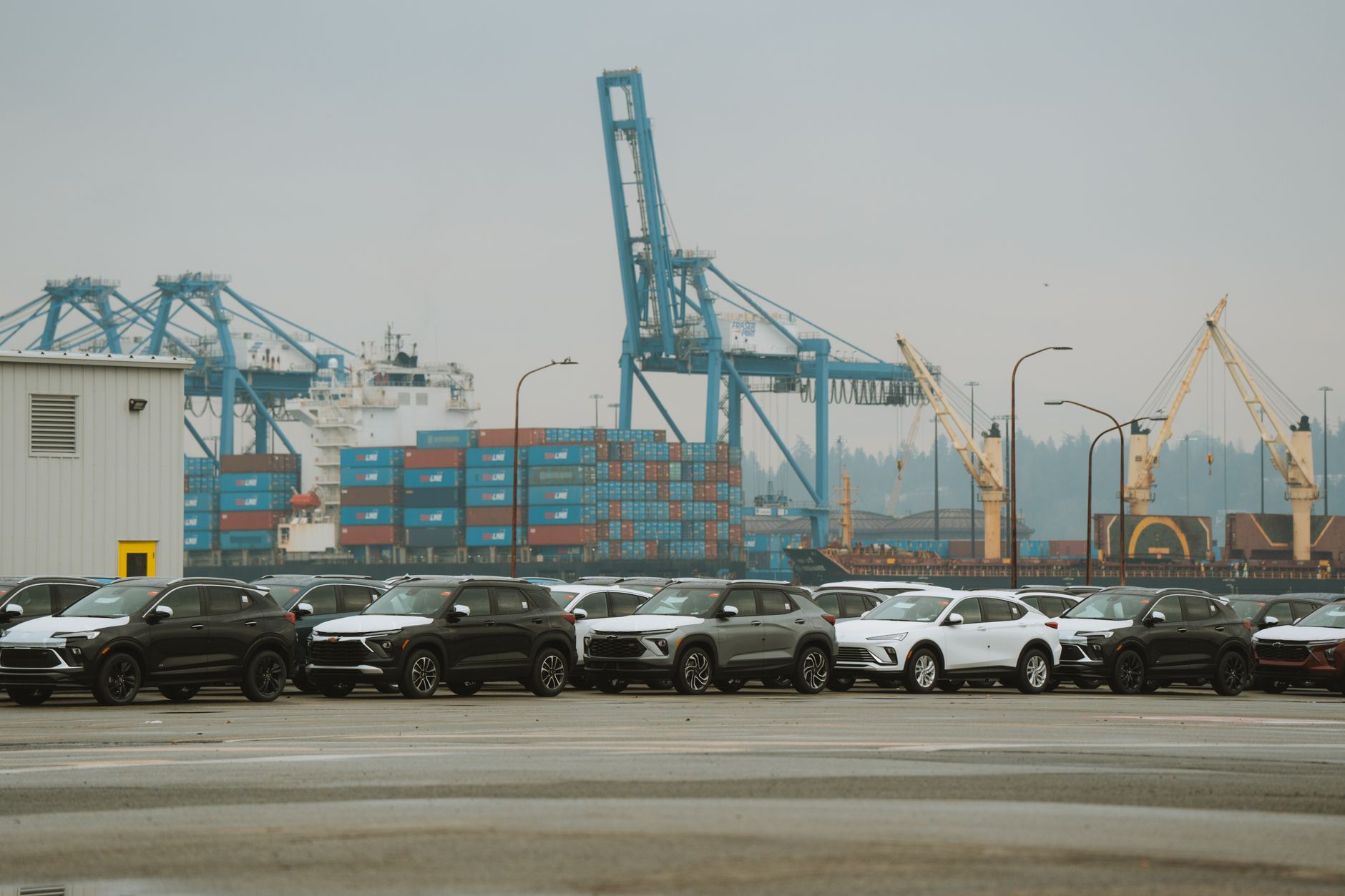
For decades, the story of the Indian car buyer was one of waiting—waiting for the safety features, the engines and the technology that the rest of the world enjoyed first to finally trickle down to showrooms in Mumbai, Pune and Delhi. The launch of the Maruti eVitara quietly flipped that script. Long before a single Indian customer could drive one home, thousands of these electric SUVs were already rolling off ships at European ports, humming through the streets of London, Oslo and Frankfurt. India didn't get the leftovers this time. India built the original.
That reversal is the genuinely fascinating part of this launch, and it says far more about where the Indian auto industry is heading than any spec sheet could. The eVitara is not just Maruti Suzuki's first proper electric car. It is the centrepiece of a calculated wager that India can become the world's factory for affordable electric vehicles—a role long assumed to belong to China.
India Built the EV the World Drove First
The eVitara is manufactured at Suzuki's sprawling Hansalpur facility in Gujarat, a plant that has been designated as the global production hub for this single model. That word—global—is the crux of everything. This is not a car designed for India and occasionally shipped abroad. It is a car designed for the world and assembled in India, with the home market treated as just one customer among more than a hundred eventual destinations.
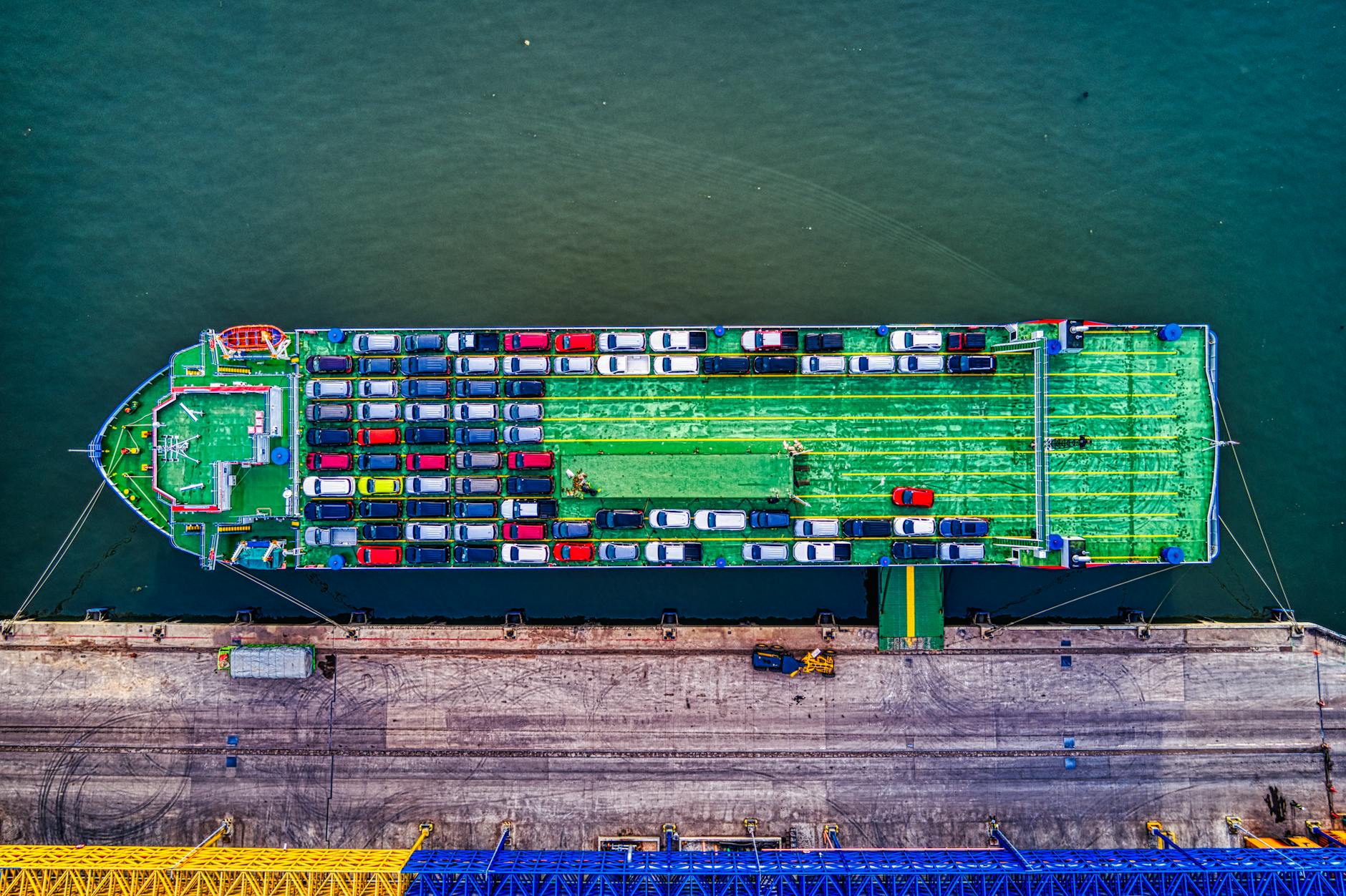
The exports began in the second half of 2025, with the first major consignment of roughly 2,900 units sailing out of Pipavav Port bound for Europe. Within months, the cumulative tally of exported eVitaras had climbed past 7,000 units, fanning out across a dozen or so European nations including the United Kingdom, Germany, France, Norway, Sweden, the Netherlands, Denmark, Switzerland, Italy, Austria, Belgium and even Iceland. Japan, Suzuki's own backyard, was lined up to receive the model around the start of 2026.
Meanwhile, Indian buyers watched and waited. The domestic launch landed in early 2026, several months after European drivers had already been logging miles. For a country whose car enthusiasts have spent years complaining about being last in line, seeing a made-in-India EV debut in Europe first was a small but symbolic role reversal.
Why a Domestic Giant Looked Abroad First
It is worth pausing on how unusual this is. Maruti Suzuki owns roughly two of every five cars sold in India. Its entire identity has been built on the domestic mass market—small, frugal, dependable cars for first-time buyers. So why would such a company send its flagship EV overseas before serving its own loyal base?
The answer lies in cold economics and strategic patience. Europe has firm emissions mandates and a more mature charging network, which means demand for electric cars there is regulatory-driven and relatively predictable. India's EV adoption, by contrast, is still nascent—electric vehicles account for only a mid-single-digit percentage of passenger car sales, and buyers remain nervous about range, resale value and charging access. Sending early production volume to markets that are hungry for clean cars lets Maruti keep its expensive new EV plant running at scale from day one, rather than waiting for cautious Indian demand to catch up.
There is also a hedging logic at work. By anchoring the eVitara's economics to export demand, Suzuki insulates the project from the unpredictability of the Indian EV market. If domestic sales start slow, the factory does not sit idle. That is a luxury most India-only models never enjoy, and it fundamentally changes the risk math of building a costly electric car in the first place.
The Battery-as-a-Service Twist
When the eVitara finally arrived for Indian buyers, Maruti did not simply slap on a price tag and hope for the best. It reached for a pricing innovation rarely seen at this scale in India: Battery-as-a-Service, or BaaS.
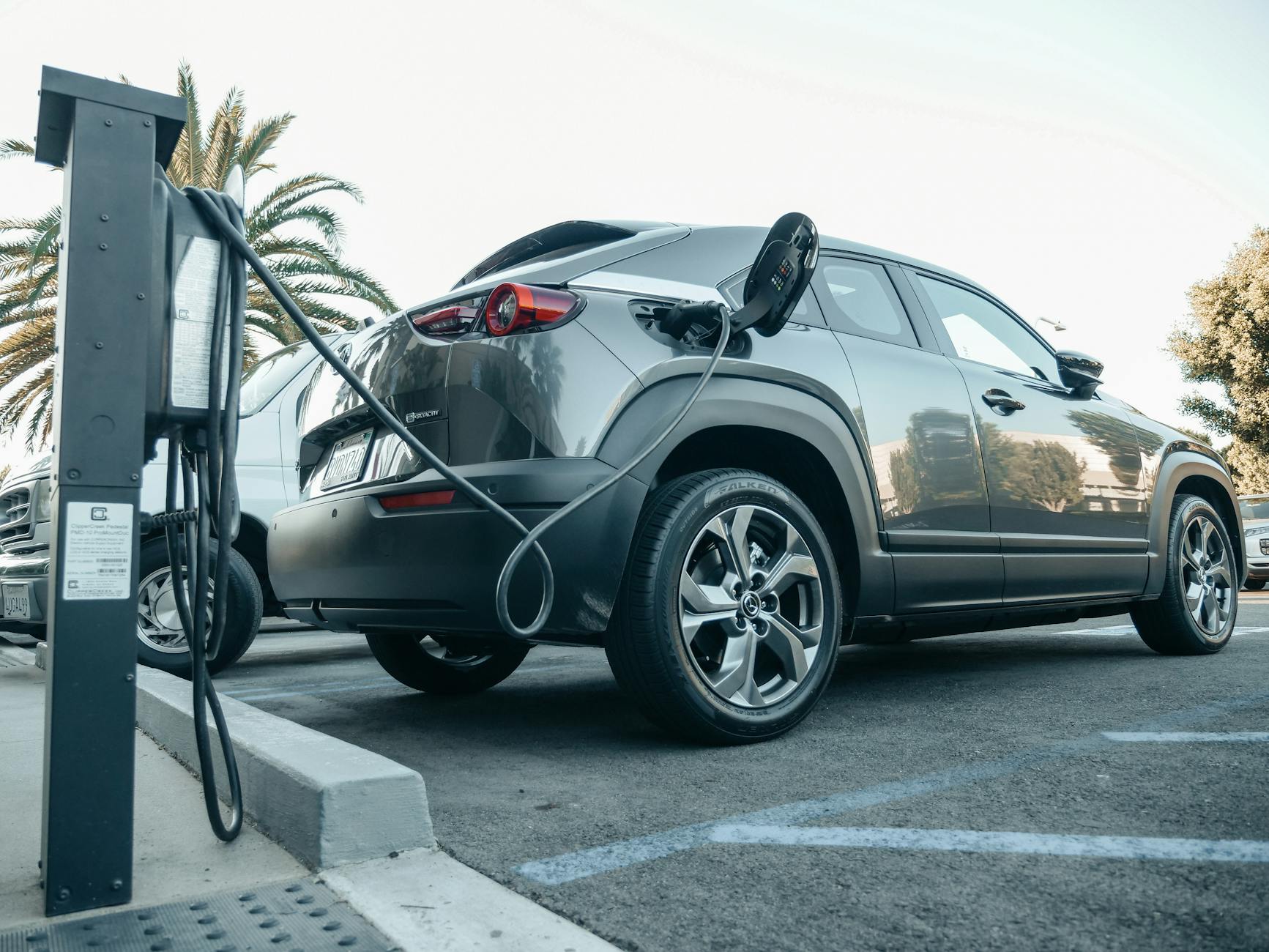
Under this scheme, the introductory sticker price was pushed down dramatically—into the region of around ₹11 lakh—by separating the cost of the battery from the cost of the car. Buyers then pay for the battery's usage through a per-kilometre charge rather than paying for the whole pack upfront. The conventional, battery-included versions sat considerably higher, in a band stretching from roughly ₹16 lakh to ₹20 lakh depending on variant and battery size.
The psychology here is shrewd. The single biggest barrier to EV ownership in India is the eye-watering upfront cost, most of which is the battery itself. By letting customers, in effect, rent the most expensive component, Maruti lowers the entry threshold and sidesteps the deepest anxiety buyers have—what happens, and what it costs, if the battery degrades years down the line. It is the kind of financial engineering that could matter far more for mainstream Indian adoption than any horsepower figure.
What the eVitara Actually Offers
Underneath the strategy sits a genuinely modern product. The eVitara rides on Suzuki's dedicated Heartect-e electric platform—not a petrol car hastily converted to run on batteries, but an architecture conceived for electric power from the ground up. That distinction shows up in cabin space, battery packaging and ride quality.
Buyers get a choice of two battery sizes, in the region of 49 kWh and 61 kWh, with the larger pack delivering a claimed driving range of up to around 543 kilometres on a full charge. Inside, the SUV leans premium for its segment, with twin large displays, ventilated seats and a suite of advanced driver-assistance features. In short, it is equipped to stand toe-to-toe with rivals like the Hyundai Creta Electric, Mahindra BE 6, Tata's electric SUVs and the MG Windsor—rather than being a stripped-out compliance car.
That matters because credibility abroad demands quality. A car cannot be exported to Germany and Norway, two of the most discerning auto markets on earth, while cutting corners. The very act of building the eVitara for Europe forces an Indian plant to meet world-class standards—and those standards then flow back to the cars Indians buy.
The Bigger Picture: India's Factory Ambitions
Zoom out, and the eVitara is a single thread in a much larger tapestry. Suzuki has openly positioned India as a hub for its global electric vehicle production, with plans to scale total manufacturing capacity toward roughly four million vehicles a year by the end of the decade. The eVitara's early export volumes—with the majority of an annual EV output target reportedly earmarked for shipping abroad—are the first concrete proof of that ambition.
This fits a pattern across the Indian industry. Hyundai, Honda and others are increasingly routing exports through their Indian operations, and Indian-built cars are quietly gaining ground in European showrooms as global automakers look to diversify supply chains away from a China-dominated EV ecosystem. Government production-linked incentives, a vast pool of engineering talent and competitive labour costs have made India an attractive base for manufacturers hedging their geopolitical bets.
The stakes are national, not just corporate. Every eVitara shipped out of Pipavav represents export earnings, factory jobs and a data point in India's pitch to investors that it can be the world's next great manufacturing destination. If a frugal, mass-market brand like Maruti can build a credible electric SUV for Europe, the ceiling for what "Made in India" can mean rises considerably.
Why It Matters and What Comes Next
The real test now shifts home. Exporting to regulation-driven Europe was, in a sense, the easy part—the demand was guaranteed. Convincing price-sensitive, range-anxious Indian buyers to embrace a roughly ₹16–20 lakh electric SUV is the harder challenge, and it is why the Battery-as-a-Service gamble could prove decisive. If Indian families take to the BaaS model, it may rewrite how EVs are sold across the country.
Watch, too, for whether Maruti's export momentum holds as European competition intensifies and as Chinese brands push aggressively on price. Watch whether the Hansalpur plant can scale without quality slips. And watch whether other Indian manufacturers follow Maruti's lead in treating the domestic market as one node in a global network rather than the only thing that matters.
For now, the eVitara stands as a quietly historic vehicle—not because of how fast it accelerates, but because of the direction it points. For the first time in a long time, the rest of the world is driving what India decided to build. That, more than any range figure, is the development worth watching.
Source: carwale.com


