Minecraft Lunar-Moons Rescue Video Goes Viral: Why Kids Are Hooked
A single, oddly specific phrase — saving famous lunar moons from scary entities in Minecraft — is doing something most news stories never manage: pulling millions of young eyeballs without a single celebrity, headline event or marketing budget behind it. The video, a story-driven Minecraft adventure in which characters scramble to protect a cast of named in-game moons from menacing creatures, is climbing fast on YouTube. To an adult scrolling past, it looks like nonsense. To a child, it is appointment viewing.
That gap is the real story. This is not just one clip going viral; it is a window into one of the most powerful and least-understood content engines on the internet — the Minecraft rescue-horror genre that quietly dominates kids' watch-time worldwide, India very much included.
What the viral Minecraft lunar-moons video actually shows
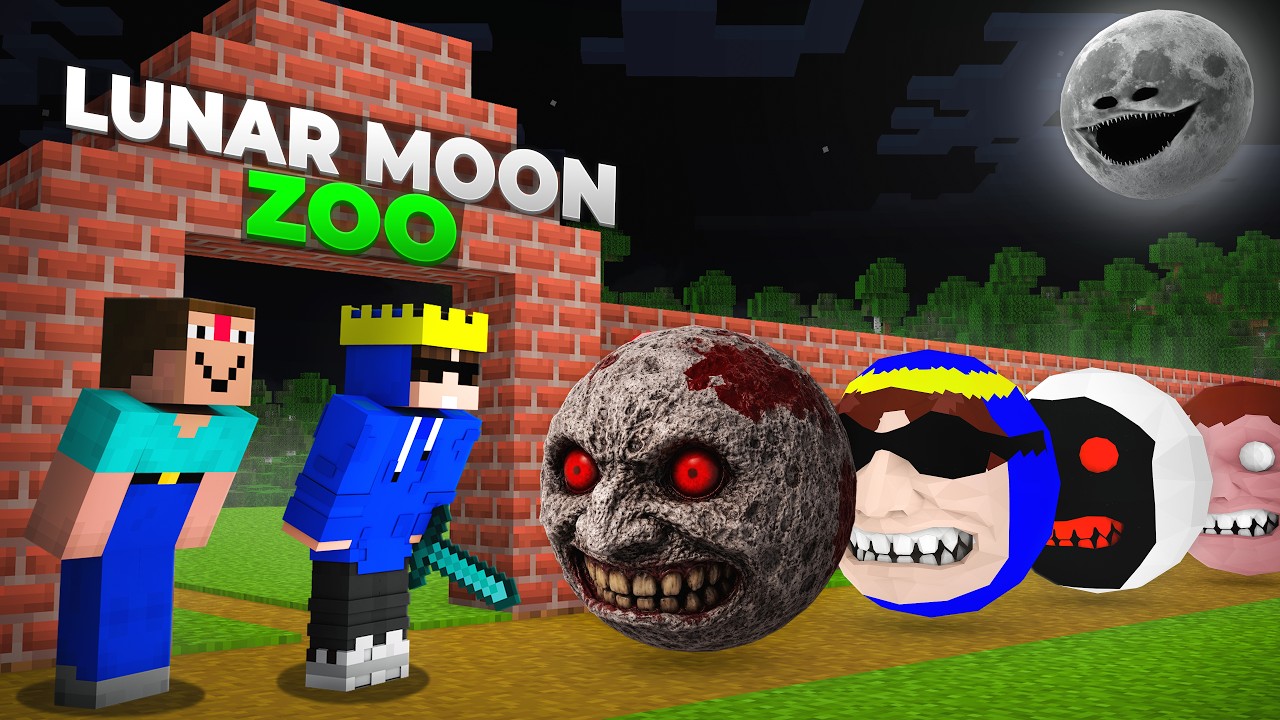
Strip away the dramatic title and the format is familiar to anyone who has watched a child's tablet over their shoulder. A group of player-characters inhabit a custom Minecraft world. A threat appears — the "scary entities", usually modded or custom-built mobs with glowing eyes, distorted faces or eerie sound design. The heroes then set out on a rescue mission, in this case to save a collection of personified "lunar moons" before the entities reach them.
It is part video game, part puppet show, part radio drama. The creators voice the characters, narrate the stakes, and stage chases, near-misses and last-second saves. There is tension, but it resolves; danger, but the good guys generally win. The moons being "famous" is a hook — it implies a roster, a collectible cast, a reason to keep watching to see who survives.
Crucially, the clip is not a tutorial. Nobody is teaching you how to build a redstone door. The point is the story, and the story is engineered to keep a young viewer locked in from thumbnail to end screen.
Why this format is built to go viral
The lunar-moons video is a near-perfect specimen of what works in children's online video. A few ingredients do the heavy lifting:
- A clear, urgent goal: "save them before it's too late" gives even a five-year-old an instant reason to stay.
- A countable cast: multiple moons means multiple mini-rescues, so the video can run long while always promising "one more".
- Mild, contained fear: the scary entities supply suspense, but the heroic frame keeps it from tipping into genuine horror.
- A loud, high-contrast thumbnail and title: exclamation marks and big faces are catnip for the algorithm and for tiny fingers.
None of this is accidental. Successful kids' Minecraft channels iterate relentlessly, testing which thumbnails, which threats and which rescue setups drive watch-time — the single metric YouTube's recommendation system rewards most. A video that holds attention gets pushed to more autoplay queues, which lifts views, which trains the algorithm to push it further. Virality here is less a lightning strike than a flywheel.
Minecraft, the genre that refuses to die
It is easy to forget that Minecraft is now well over a decade old, yet it remains one of the most-watched subjects on YouTube year after year. The reasons it travels so well to video are baked into the game itself.
Minecraft's blocky world is infinitely customisable, so creators can build entirely new characters, sets and "entities" without a film crew. It reads clearly even on a small screen and even with the sound off — a big advantage for kids watching in the back of a car. And it supports both sandbox creativity and scripted storytelling, which means a channel can pivot from building tutorials to cinematic rescue dramas like this one without changing games.
For India specifically, the appeal is amplified by sheer scale. The country is one of the largest mobile-first audiences on the planet, cheap data has put a screen in millions of children's hands, and Minecraft runs on modest phones. A globally produced English-language Minecraft video can find a vast Indian audience even when it was never made with India in mind.
The 'scary but safe' grey zone parents are navigating
This is where the lunar-moons trend gets genuinely worth discussing rather than dismissing. The whole genre lives in a deliberate grey zone: scary enough to be thrilling, soft enough to feel safe. For many children that balance is exactly right, and the rescue framing arguably models courage, teamwork and problem-solving.
But tolerance is not uniform. A confident nine-year-old may treat the scary entities as cartoon villains, while a sensitive five-year-old can carry the glowing-eyed creature straight into a sleepless night. Jump-scares, ominous music and faces designed to unsettle are doing real psychological work, even inside a friendly Minecraft skin. The label "for kids" is not the same as "right for your kid".
There is also a structural concern that has dogged children's content for years. Because the format is so replicable, a flood of imitators produces videos with similar titles and thumbnails but wildly varying quality and intent. Some are wholesome; some lean harder into fear or strange, low-effort "entity" content to chase the same clicks. Telling them apart from a thumbnail alone is genuinely hard — which is the point, and the problem.
What the trend says about how kids discover content now
The lunar-moons video did not reach children because a parent recommended it or a broadcaster scheduled it. It reached them because an algorithm decided it would hold attention, and autoplay did the rest. That is the defining shift of this generation's media diet: discovery is automated, personalised and relentless.
That system has real upsides. It surfaces creators who would never get a TV slot, rewards genuine craft, and lets a child follow a specific obsession — here, a fictional roster of moons — in remarkable depth. But it also optimises for engagement over suitability, and it does not know or care how old the viewer is unless an adult has told it.
This is why the same video can be, simultaneously, a delightful piece of imaginative storytelling and a small lesson in why screen-time needs a human in the loop.
What parents can actually do about it
The answer is not panic, and it is not a blanket ban that simply pushes viewing underground. A few practical, low-friction steps go further:
- Use YouTube Kids or a supervised account. These give far more control than the standard app, including age tiers and the ability to approve channels.
- Turn off autoplay. Breaking the automatic next-video flywheel is the single most effective way to stop a thrilling rescue clip from becoming a three-hour binge.
- Watch one together first. Seeing how your child reacts to the scary entities tells you more than any rating ever will.
- Set clear time limits. Agree the number of videos or minutes upfront, so the conversation is about a rule, not a fight.
- Check the watch history occasionally. Algorithms drift; a channel that started wholesome can wander, and so can the recommendations beside it.
What comes next
Expect more of this, not less. The Minecraft rescue-horror template — a named cast in peril, a creeping threat, a heroic save — is too effective to fade, and creators will keep refreshing it with new moons, new monsters and new mythologies to keep the flywheel spinning. As Indian audiences grow and home-grown creators chase the same playbook, more of this content will be made closer to home, in more Indian languages.
The lunar-moons video is, in that sense, less a one-off and more a snapshot of a permanent feature of childhood now. The smart response is not to mock the silly title or to fear it, but to understand the machinery behind it — and to make sure that, for once, the human watching has at least as much say as the algorithm serving it up.