Morgue Night-Shift Horror Video: Why Harshit's Clip Went Viral
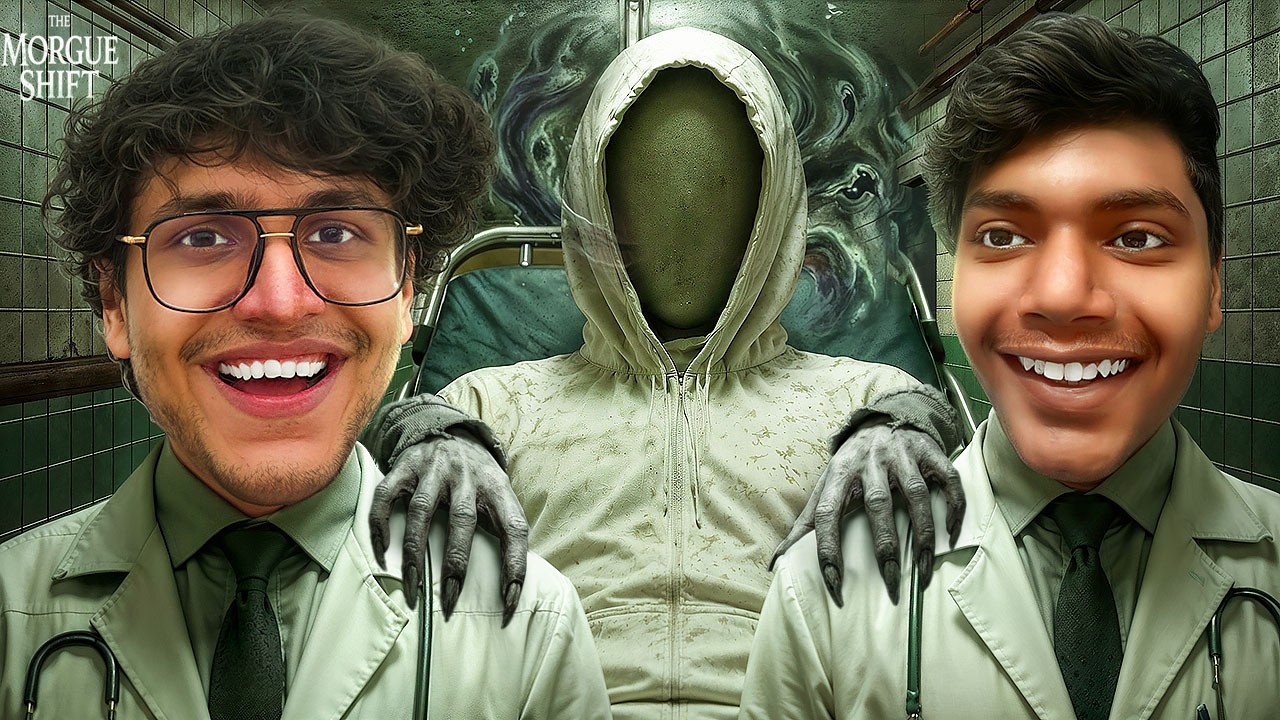
A single YouTube upload titled "Late Night Horror Shift at the Morgue with Harshit" has become the latest entry in one of Indian YouTube's most reliably viral genres: the overnight horror challenge. The premise is simple and instantly gripping — a creator agrees to spend the dead hours of the night inside one of the most unsettling places most of us will never voluntarily enter. The clip is climbing fast on views and comments, and it is worth unpacking why this morgue horror video is resonating, what it actually shows, and where reality ends and showmanship begins.
What the morgue horror video shows
The video follows a familiar template. A host sets up a challenge — staying through a night shift in a morgue-style setting — and a participant, here referred to as Harshit, is the person who has to endure it. From there the format leans on darkness, a roaming flashlight, ambient silence broken by sudden noises, and the participant's mounting unease as the hours stretch on.
What makes these uploads work is not graphic content but anticipation. The camera lingers, the lighting stays low, and the audience is invited to feel the same dread as the person on screen. Crucially, the most effective horror videos withhold more than they reveal, letting imagination do the heavy lifting.
It is important to be clear about one thing up front: while the setting and the overnight format may be genuine, the scares, sound design and emotional reactions are produced for entertainment. Nothing in such a clip should be taken as evidence of the paranormal unless it is independently verified — and almost never is.
Who is involved, and why the framing matters
The video is built around a host-and-challenger dynamic, with Harshit cast as the one facing the ordeal. This pairing is deliberate. Indian creator culture has long thrived on reaction and challenge content, where one personality designs an uncomfortable situation and another reacts to it in real time.
The appeal is social as much as spooky. Viewers come for the location but stay for the personality — the nervous laughter, the bravado that cracks, the running commentary that turns fear into comedy. That blend of genuine apprehension and lighthearted banter is what separates a forgettable scare clip from one that gets shared across WhatsApp groups.
Because GeneralNews cannot independently confirm the exact identities, production team or filming location behind this specific upload, those details should be treated as unverified. What can be said with confidence is that the format itself is well established and highly repeatable.
Why this format keeps going viral in India
Overnight-horror and haunted-location content has quietly become one of YouTube's most dependable hit machines. The reasons are structural, not accidental:
- Universal fear, low barrier: Almost everyone has an instinctive reaction to morgues, graveyards and abandoned buildings. No backstory is needed for a viewer to feel tense within seconds.
- Watch-time friendly: Suspense rewards patience, so audiences sit through long stretches. High watch time is exactly what the recommendation algorithm prizes.
- Clip-ready moments: A single jump or scream can be sliced into a Short or Reel, where it spreads far beyond the original video and funnels new viewers back to the full upload.
- Comment-bait by design: "I couldn't watch past five minutes" and "is this real?" debates fill the comment section, and engagement signals push the video wider.
- Cheap to make, easy to franchise: A flashlight, a dark room and a willing participant can be turned into a recurring series.
Put together, these factors explain why a morgue night shift clip can outperform far more expensive productions. The genre is engineered, intentionally or not, to satisfy the metrics that decide what trends.
Real or staged? How to watch with a clear head
The most common question under any video like this is whether it is authentic. The honest answer is that these productions sit on a spectrum. The location and the overnight premise can be real; the supernatural beats almost certainly are not.
A few tells are worth keeping in mind:
- Editing and sound: Sudden stings, whispers and creaks are added in post-production. A genuinely unexplained event would look mundane without them.
- Camera convenience: When a camera happens to be perfectly framed for a "scare," it usually means the moment was anticipated.
- Reaction timing: Performed fear tends to arrive a beat too cleanly. Real startle responses are messier and less photogenic.
None of this makes the video dishonest entertainment — horror as a genre has always been about manufactured fear. The problem only arises when viewers, especially younger ones, mistake produced spectacle for documented reality.
The ethics, safety and consent questions
There is a more serious layer beneath the fun, and it deserves attention. A genuine hospital morgue is a restricted, regulated space. Access requires permission, and filming anywhere near the deceased raises grave concerns about dignity, privacy and the feelings of grieving families. Responsible creators almost always use private, decommissioned, or deliberately constructed set-like spaces rather than functioning facilities — and reputable platforms expect as much.
Safety is the other issue. Overnight shoots in dark, unfamiliar buildings carry real-world risks: poor footing, electrical hazards, trespassing exposure and the psychological strain of sustained fear, particularly when stunts are pushed for views. The genre's biggest controversies over the years have rarely been about the "ghosts" and almost always about whether participants were genuinely safe and whether the location was legitimately accessed.
For audiences, the takeaway is to enjoy the suspense while keeping a healthy distance from the claims. Treat it the way you would a horror film — a crafted experience, not a news report.
The wider context: horror is YouTube's growth engine
This video does not exist in a vacuum. Horror and the supernatural have exploded across Indian digital media — from web series and podcasts swapping ghost stories to the vertical micro-dramas now flooding short-video apps. Fear is cheap to evoke, universally understood, and endlessly remixable, which makes it ideal fuel for the attention economy.
For creators, a strong horror format offers something rare: a series that can run indefinitely. Every new location, every new challenger, every new "shift" is a fresh upload built on a proven foundation. That is why one viral morgue horror video rarely stays a one-off; it becomes a template.
What happens next
If the early momentum holds, expect the predictable arc. The clip will be sliced into Shorts, reaction videos and compilation edits will follow, and rival creators will rush out their own "scariest location" attempts to ride the trend. Harshit's involvement, if the response stays positive, could spin into a recurring character or a follow-up challenge.
The smarter creators will also feel pressure to address the authenticity and safety questions head-on, because audiences are increasingly skeptical and platforms are increasingly watchful. The ones who thrive long-term tend to be transparent that this is entertainment, not evidence — and who keep their participants genuinely safe.
For now, the "Late Night Horror Shift at the Morgue with Harshit" video is doing exactly what the genre is built to do: turning a primal fear into a few minutes of irresistible, shareable suspense. Watch it for the thrill, enjoy the jump, and remember that the scariest thing on screen is usually the editing software.