Photo: BANU FILM ADS / Pexels
The Muhurat Window Is Closing: Last Dates Before Chaturmas
If you have been waiting for a sign to fix a wedding date, sign a flat or drive a new car home, the calendar is now working against you. The muhurat season is about to slam shut. After a busy run of auspicious dates in June, the Hindu almanac empties out almost completely once Chaturmas begins on July 25, and it stays that way until late November. The next few weeks are, quite literally, the last call.
This is not superstition dressed up as scheduling. The four-month pause is built into the lunar calendar itself, and millions of families plan around it. Knowing why the window narrows, and which specific dates survive, can save you a frantic search later or a long wait you did not expect.
The deadline nobody warns you about
The reason the dates dry up is Devshayani Ekadashi, which falls on July 25, 2026. In tradition, this is the day Lord Vishnu lies down for his cosmic sleep, and with him the cosmos is considered to withdraw from grand new beginnings. Weddings, griha pravesh, large business launches and other big-ticket ceremonies are paused for the duration.
That pause is Chaturmas, the roughly four-month stretch that ends on Devuthani Ekadashi, expected around November 21, 2026, when Vishnu is said to wake. Only then does the wedding season properly reopen, with Tulsi Vivah marking the unofficial starting gun.
So the practical takeaway is blunt. If a function cannot happen in the June window, the realistic alternatives are squeezing into early July or waiting nearly half a year. For families juggling venue bookings, relatives flying in and shaadi-season pricing, that gap matters.

Wedding dates that are left in June
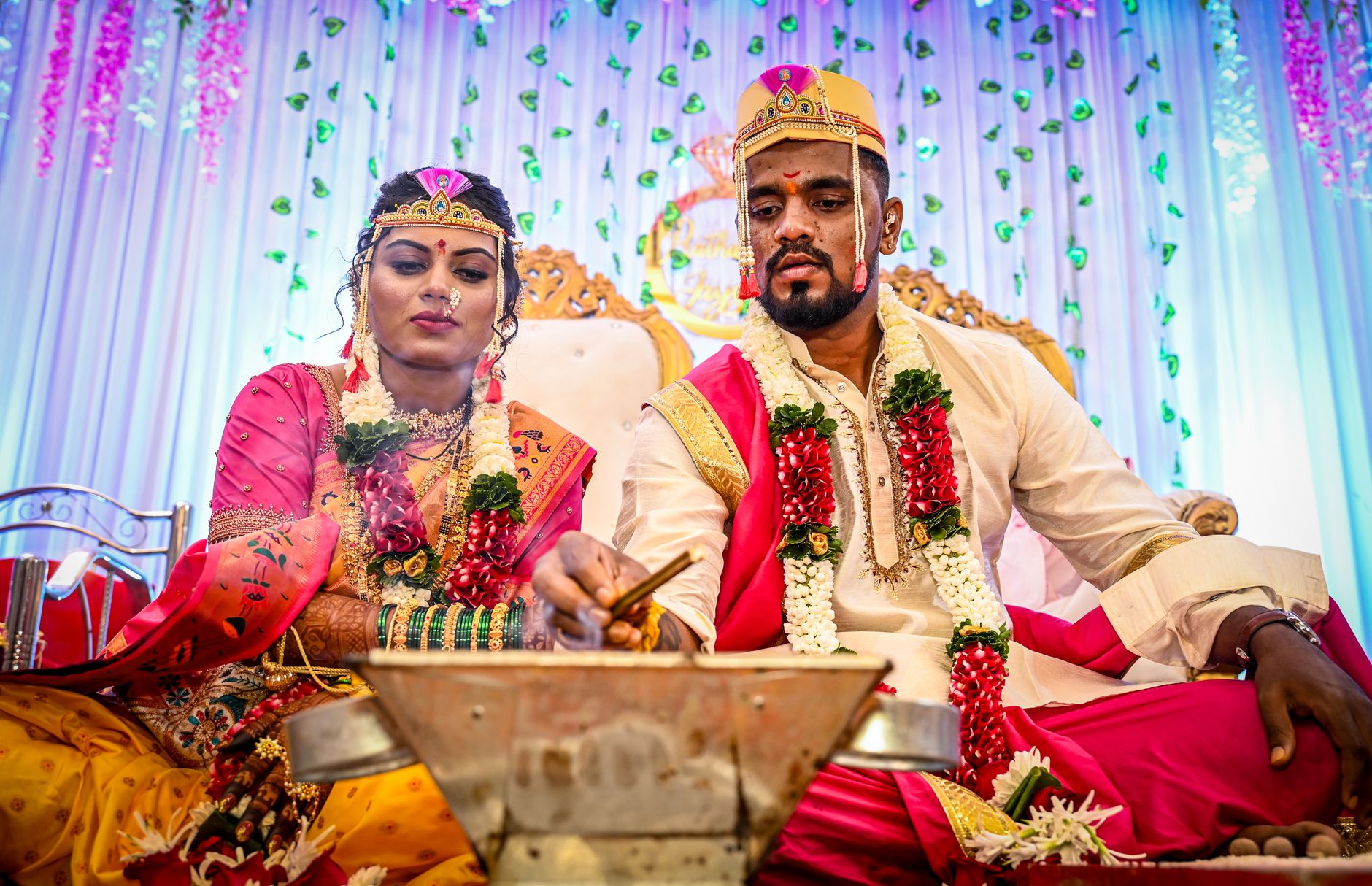
June 2026 carries the final cluster of vivah muhurat dates before the curtain drops. According to widely followed panchangs, the auspicious wedding dates this month are:
- June 21, 22, 23, 24, 25, 26, 27 and 29
That is a tight bunch, and it explains why banquet halls, priests, decorators and caterers in many cities get booked solid for exactly these days. If you are still hunting for a slot, flexibility on the venue will get you much further than flexibility on the date, because the date is the part that cannot move.
A word of caution on the overlaps. Some of these dates double up as festival or fasting days, and a few coincide with griha pravesh and vehicle muhurats too, so demand stacks up. The earlier you lock a priest and a hall, the better your odds.
Griha pravesh: moving into a new home
For a griha pravesh, or housewarming, the favoured June 2026 dates as per popular panchangs are June 24, 26 and 27. The idea behind picking such a day is simple enough: you want to step into a new home when the planetary mood is settled, so that the move sets a calm, prosperous tone.
There is a useful distinction worth knowing here. A first-time griha pravesh into a freshly built house (Apoorva), a return after renovation or a long absence (Sapoorva), and re-entry after repairs (Dwandwah) are treated slightly differently in the texts. The broad seasonal logic still holds, though, and Chaturmas is generally avoided for the formal housewarming of a brand-new home.
If your possession date or interiors slip past June, many families do a quiet, minimal entry to start living in the house and save the full ceremony for an auspicious day after Diwali. That is a perfectly accepted middle path.
Buying a car or bike on a good day
Vehicle showrooms see their own muhurat rush. For vehicle purchase in June 2026, the dates flagged as favourable are June 17, 22, 24 and 25. Many buyers time their delivery and the first puja to these days, which is also why dealerships often see a delivery bump around them.
Unlike weddings, a vehicle purchase is far easier to align, because you control the delivery date. A few sensible pointers if you want to follow the muhurat:
- Confirm the exact muhurat window for your city, since the auspicious hours shift by location.
- Ask the dealer to schedule registration and delivery for that day rather than just the booking.
- Keep the paperwork and insurance ready in advance so a delay does not push you past the window.
For those who do not follow the calendar closely, none of this is mandatory. But if it brings peace of mind to a big purchase, the cost of timing it is essentially zero.
The festivals filling the weeks ahead
Even as the muhurat list thins, the religious calendar is anything but empty. The coming weeks are packed with observances that shape the mood of the season.
- Nirjala Ekadashi (June 25): considered the most rigorous of the year's Ekadashi fasts, kept without water.
- Jyeshtha Purnima (June 29): the full moon that rounds off the month.
- Ashadha begins (around June 30): the lunar month that carries the season's biggest devotional events.
- Yogini Ekadashi (July 10): an Ekadashi associated with relief from sins and ailments.
- Ashadha Gupt Navratri (from July 15): a quieter, more esoteric nine-day worship of the Goddess.
- Jagannath Rath Yatra (July 16): Puri's grand chariot procession, with the return Bahuda Yatra on July 24.
- Devshayani Ekadashi (July 25): the start of Chaturmas.
- Guru Purnima (July 29): the full moon dedicated to teachers and gurus.
Notice how the heavyweight festivals cluster in July, precisely when weddings pause. That is the rhythm of the calendar working as designed. The energy shifts from outward celebration to inward devotion, fasting and pilgrimage.
How to read a muhurat without getting it wrong
A muhurat is not a fixed national date stamped on a wall calendar. It is a calculation tied to the tithi, the nakshatra and the position of planets for a specific place and time. The same day can carry a clean auspicious window in one city and a broken one in another, because sunrise and the tithi's start and end shift geographically.
That is why every serious panchang asks you to set your city first. A date that reads as ideal for Delhi may have a narrower or differently timed slot for Chennai or Kolkata. Treat published lists, including this one, as a planning shortlist rather than the final word.
The sensible approach is to use these dates to block your shortlist, then have a priest or a trusted panchang confirm the precise muhurat hours for your location and, ideally, your own birth chart for a wedding. The dates give you the season; the local calculation gives you the hour.
What to do in the next two weeks
If a function has to happen before Chaturmas, move now. Weddings have the least room, with only a handful of June dates and a sliver of early-July options before July 25. Griha pravesh and vehicle purchases have a little more give, but the good June dates are filling fast for the same reason.
If you miss the window, do not force a compromise date out of panic. The calendar reopens after Devuthani Ekadashi around November 21, and the post-Diwali stretch is one of the busiest, most auspicious wedding runs of the year. Sometimes the better muhurat is the one you wait for.
For now, the message is simple. The door is still open, but only just.