Photo: BANU FILM ADS / Pexels
Shubh Muhurat 2026: The Wedding Dates That End on July 25
If you have been waiting for the right day to marry, move into a new flat, or drive a new car home, the window is narrower than it looks. The next five weeks carry most of the shubh muhurat dates worth circling, and then the calendar goes quiet. From Devshayani Ekadashi on July 25, 2026, the four-month Chaturmas period begins, and weddings and housewarmings traditionally stop until late November.
That makes this stretch of late June and early July the practical deadline for a lot of families. Here is what the panchang actually allows in the coming weeks, why the season ends so abruptly, and how to read these dates without getting tripped up by the fine print.
The auspicious wedding dates left this season
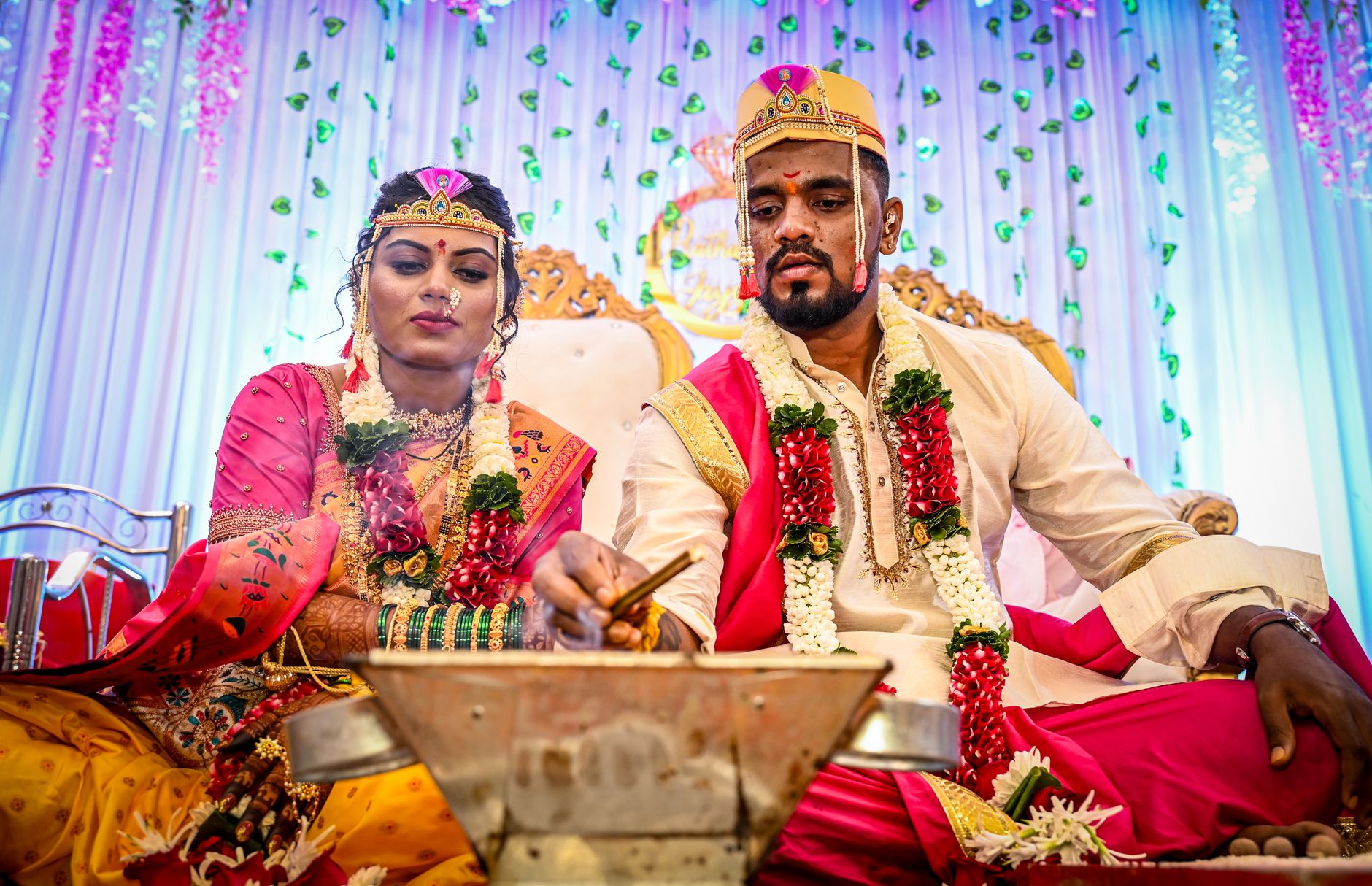
The Jyeshtha and early Ashadha period still has a healthy run of marriage muhurats before the shutters come down. Based on widely followed panchangs for New Delhi timings, the remaining wedding dates cluster like this:
- June 2026: 21, 22, 23, 24, 25, 26, 27 and 29
- July 2026: 1, 6, 7, 11 and 12
June is doing the heavy lifting here, with an almost unbroken run of auspicious days. July tapers off fast, and the dates around July 11 and 12 are effectively the last call for a traditional Hindu wedding in this cycle. After that, the muhurats dry up well before Devshayani Ekadashi closes the door entirely.
The times attached to each date are not all-day affairs. A single muhurat might be a two-hour window in the morning or a slot that spills past midnight into the next day. That matters when you are coordinating a baraat, a venue and a priest who may have three weddings the same evening.

Griha pravesh: a short runway before the pause
Moving into a new home follows the same logic but with even fewer options. The strongest griha pravesh dates are spread through June, and then early July offers a final handful before Chaturmas makes housewarmings inadvisable in most traditions.
The commonly cited early-July griha pravesh dates are July 1, 2 and 6. If your possession or registration is running late and you cannot manage one of these, the honest answer is that the next clean window opens only after Chaturmas ends. November dates such as the 11th, 14th, 20th, 21st, 25th and 26th are already being marked by families who would rather wait than force an inauspicious entry.
There is a sensible middle path many priests suggest: do a small, simple entry now to start using the home, and hold the full ceremony with the havan and the gathering for an auspicious day later. It keeps life moving without skipping the ritual that matters to the family.
Buying a car or bike has more room
Vehicle purchase is where the calendar relaxes. Buying a car or a two-wheeler is treated as acquiring property rather than performing a life-cycle samskara, so it is not bound by the wedding-style freeze. That is why panchangs keep listing vehicle purchase muhurats deep into July, even past the start of Chaturmas.
For the coming weeks, the auspicious vehicle dates run roughly as follows:
- June 2026: 22, 24 and 25
- July 2026: 2, 3, 5, 8, 12, 19, 24, 29 and 30
The traditional thumb rules still apply. Monday, Wednesday and Friday are favoured for taking delivery, while Tuesdays and Saturdays are usually avoided for new beginnings. Nakshatras like Rohini, Swati, Shravana and Dhanishtha are considered especially good for putting a new vehicle on the road. If your showroom delivery slot does not line up with a listed date, many people simply do a short puja before the first drive and treat the registered date as the auspicious one.
Why the season ends on July 25
The hard stop is Devshayani Ekadashi, the day Lord Vishnu is said to begin his cosmic sleep on the serpent Shesha. From this Ekadashi until Dev Uthani Ekadashi in November, when he is believed to wake, Hindus observe Chaturmas. Through these four months, auspicious ceremonies that mark a new beginning, chiefly weddings and griha pravesh, are set aside.
The reasoning is older than the mythology suggests. Chaturmas overlaps the monsoon, a season when travel was hard, roads turned to mud and farming demanded everyone's attention. Pausing big social events was as much practical wisdom as religious instruction. The festivals that fill this window, from Shravan Mondays to the fasts that follow, lean toward devotion and discipline rather than celebration.
Once Chaturmas sets in, the next wedding muhurats arrive only after Dev Uthani Ekadashi lifts the pause. That is why the demand for late-June and July dates is so intense this year, and why venues and priests for these few weeks get booked out months in advance.
The Adhik Maas twist that moved everything
There is a reason 2026 feels out of step with last year. The Hindu lunar calendar runs short against the solar year, so every few years an extra month, Adhik Maas, is inserted to keep festivals aligned with their seasons. In 2026 that extra month is Adhik Jyeshtha.
The knock-on effect is that everything from the Ashadha festivals onward lands roughly two weeks later than it would in an ordinary year. Jagannath Rath Yatra falls on July 16, Devshayani Ekadashi on July 25, and Guru Purnima on July 29, with the holy month of Shravan beginning July 30. If you were planning around memories of last year's calendar, you would have the timing wrong by a fortnight, which is exactly the kind of error that wastes a booking.
For anyone tracking the run-up, the key religious dates in this stretch are worth noting: Nirjala Ekadashi on June 25, Yogini Ekadashi on July 10, Ashadha Amavasya on July 14, Rath Yatra on July 16, and then Devshayani Ekadashi on July 25 that closes the auspicious window.
How to use these dates without slipping up
A list of dates is a starting point, not a final answer. Two reminders save a lot of grief:
- Timings change by city. Most published muhurats are calculated for New Delhi. Sunrise, sunset and the moment a tithi or nakshatra begins shift by location, so a slot in Chennai or Kolkata can open and close at different times. Always check a panchang set to your city.
- A general muhurat is not a personal one. The strongest wedding date is the one matched to the couple's horoscopes, gotra and family deity. For weddings especially, a family priest will narrow a public list down to the day that actually suits the two charts.
Used that way, the next few weeks are a genuine opportunity. June is generous, early July still workable, and the door for the big ceremonies shuts on July 25. If a marriage, a housewarming or a new vehicle is on your mind, this is the season to act, because the calendar will not offer another clean run until the festival lights return in November.